Leaderboard

Popular Content
Showing content with the highest reputation on 02/18/2012 in Posts
-
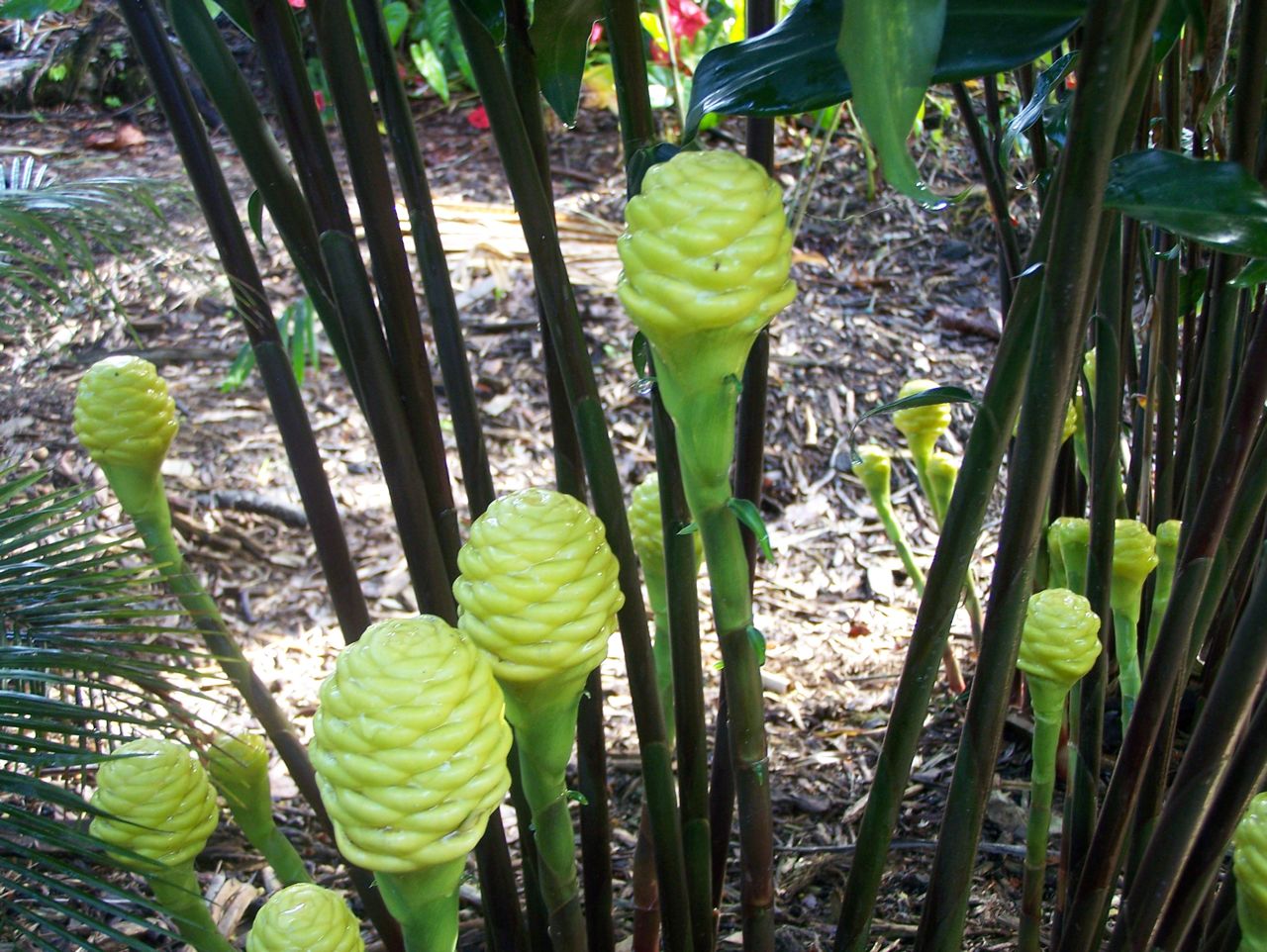
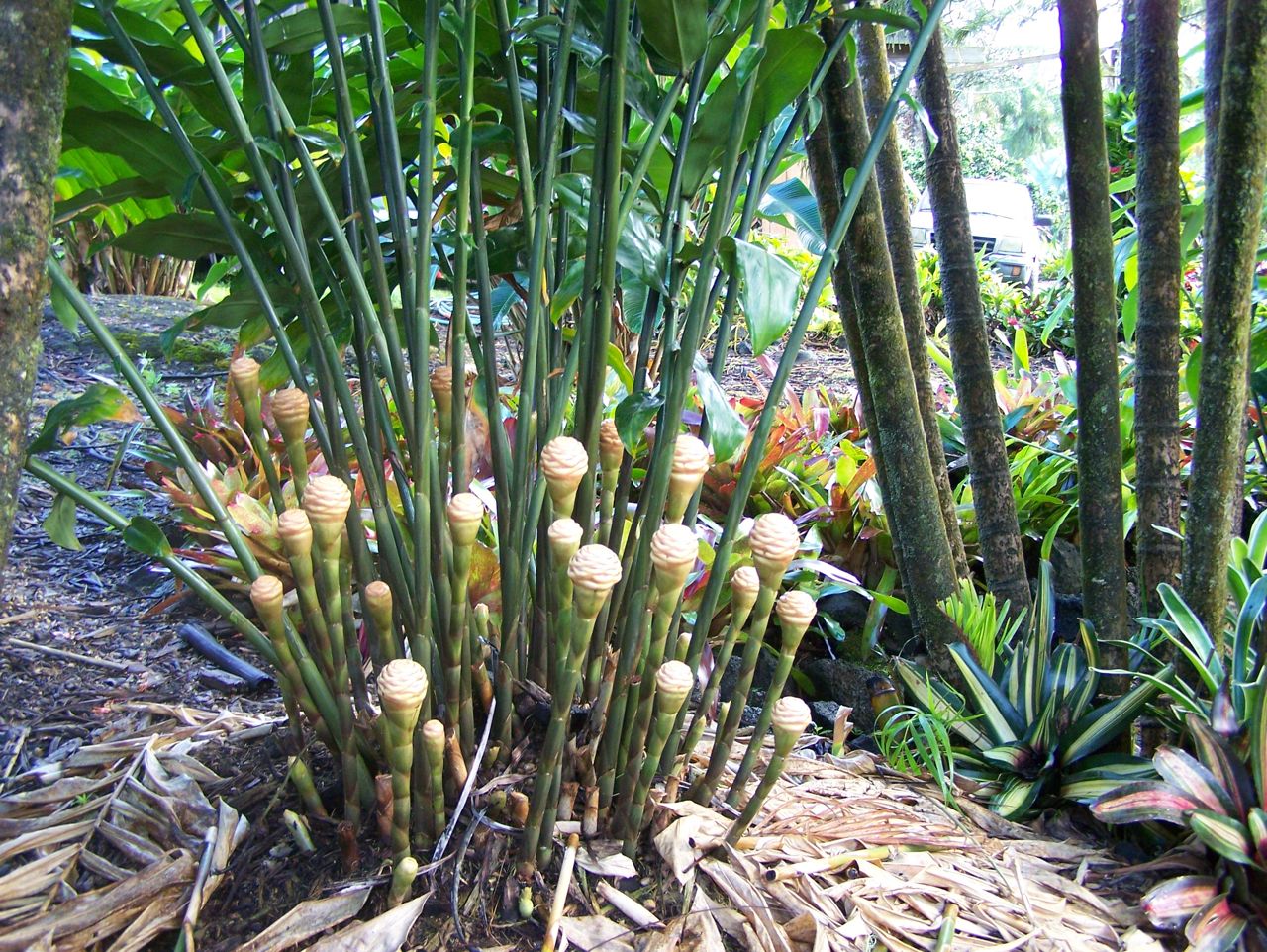
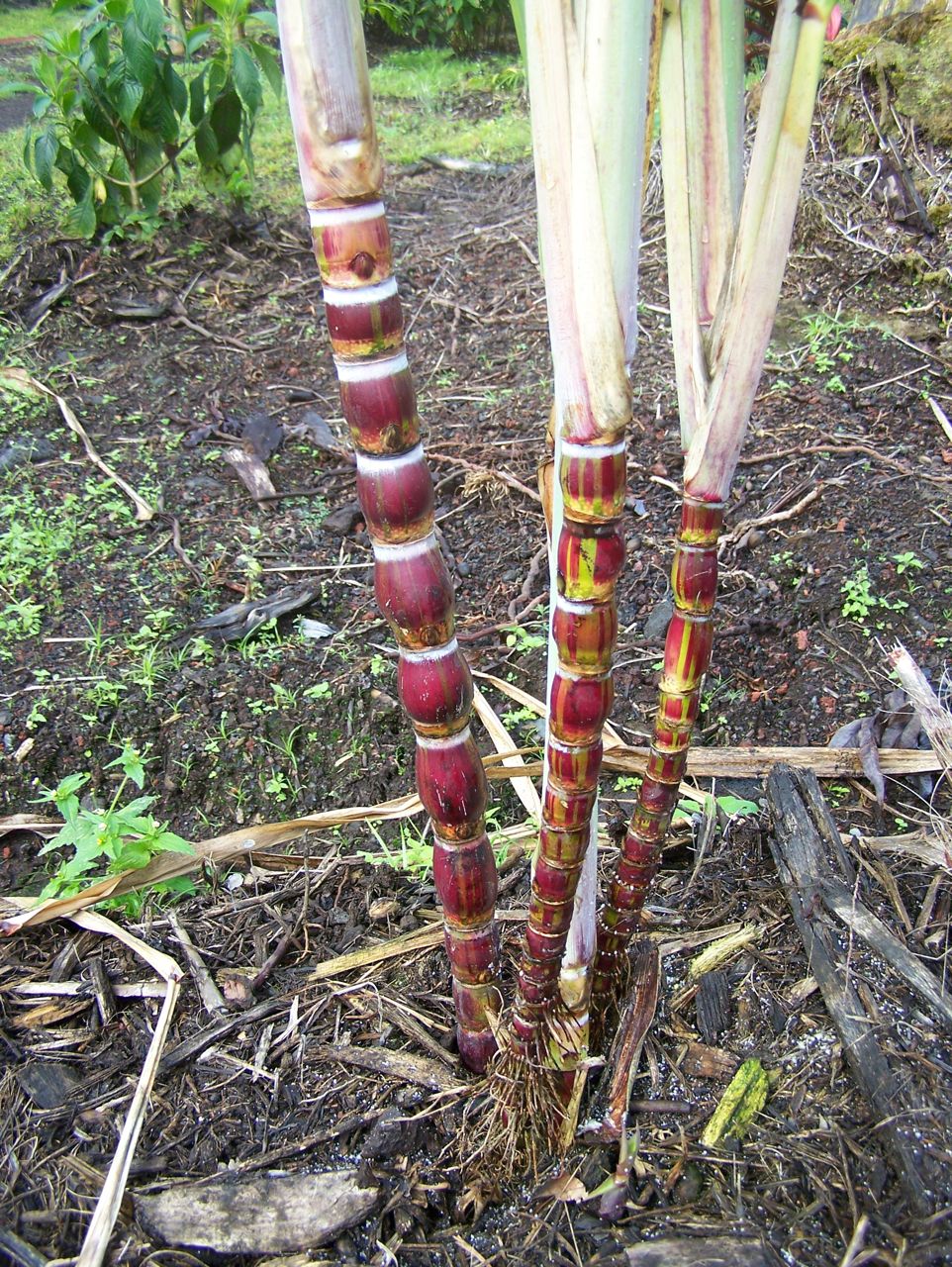
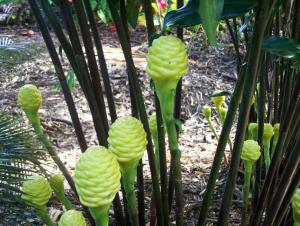
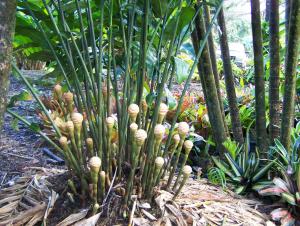
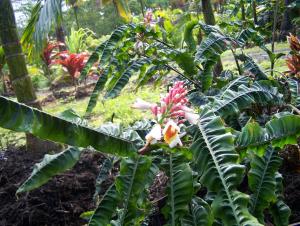
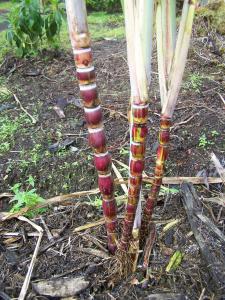
A few new ones. zingiber spectabilis early yellow pink maracas just starting to color ginger ? and a little sugar cane to sweeten it up.

 1 point
 -
2008 IPS Biennial - Costa Rica Day 05: Wednesday, May 7th Arenal Hanging Bridges, Arenal Volcano Group 2, Buses #3 & #4 - 1:01PM: The ‘would be’ peace offering seemed to be a large wasp or bee. Eventually, the other bird grew tired of the interaction or of us watching and flew off. This bird then went ahead and ate its prize. You can see the characteristic racket-end of the Motmot's tail. - 1:03PM: The Puente Vista Arenal or the popular Arenal View Bridge had the most desired of all views. It is the same height as the Waterfall Bridge so we had an almost endless supply of rain forest below to gaze upon. - 1:04PM: It did not look like the cloud cover would move on any time in the near future, so we enjoyed what views we did had of the Arenal Volcano. Our guides told us it was possible for the volcano to become clear at a moments notice. - 1:05PM: The thick and heavy, bottle-brush like leaves belonging to the Iriartea deltoidea were amazing to look at up close. The petioles and rachises were super strong to keep the leaves so straight. Ryan1 point
-
2008 IPS Biennial - Costa Rica Day 05: Wednesday, May 7th Arenal Hanging Bridges, Arenal Volcano Group 2, Buses #3 & #4 - 12:42PM: The small incident back on the Waterfall Bridge made everyone a little jumpy when it came to how these metal constructs were put together. FM. Jeff Searle takes a moment to inspect cables belonging to the Pilon Tree Bridge. "These bolts look like they're made of plastic." Luckily, they were not. - 12:44PM: This showy sprout had everyone guessing as to what it was. We figured it was possibly either Geonoma deversa [most likely], or G. ferruginea. The word "shovel" was being heard whispered around... - 12:45PM: "Paul!" I startled him by yelling his name to get him to smile. He didn't, but Bill did. We entered a section of the trail that was heavy with low canopy and thick with brush. There were quite a few turns. We stopped occasionally when a bird was either seen or heard. - 12:46PM: "Bus #4 attendees always walk single file to hide their numbers." The trail gained an increasingly steeper angle as we moved along. People began to see birds moving around in the distance along with a few palm rich areas. Ryan1 point
-
2008 IPS Biennial - Costa Rica Day 05: Wednesday, May 7th Arenal Hanging Bridges, Arenal Volcano Group 2, Buses #3 & #4 - 12:02PM: Geonoma deversa was another beautiful example of the genus. This wider shot shows the entire crown of the largest stem. I did not see too many plants of this species. I saw another group towards the end of the trail, but that was it. - 12:04PM: "Stop." "Now move to the left a bit... Stop!" "There, perfect." FMs. Linda Talbott (Linda Apriletti) and Bill Olson (Bill Olson) pose on a short bridge. They were part of the monkey viewing party from earlier so we didn't see many other attendees for a while. They were a good distance ahead. - 12:05PM: The third hanging bridge was quiet and empty by the time we reached this park sign next to it. The sign had some good advice including the warning about not loading too many people at one time. We didn't know it was about a weight limit until now, oops. We thought the bridges were stronger than that. I think 15 of us total was more than 220 pounds anyway...it didn't state anything about individual weight. We were more concerned about not getting caught "somoking". It was also strange that this sign was here and not at the beginning of the trail. If you had brought a pet all this way, you were screwed. - The Puente Hormiguero, or Ant Hill Bridge was the third hanging bridge of the day. It was almost twice as long as the last bridge we crossed. It is 285 feet (87m) long and 94 feet (28.7m) off the ground at the highest point. Bill was upset that the sign said he could no longer swing from the bridges. Ryan1 point
-
2008 IPS Biennial - Costa Rica Day 05: Wednesday, May 7th Arenal Hanging Bridges, Arenal Volcano Group 2, Buses #3 & #4 - 11:58AM: My small group was having a ball with our monkey visit. I couldn't photograph fast enough and either could anyone else. This is an actual distance shot. I took it at 75mm so it shows realistically the distance between me and the monkey, about 6 feet (2m). - 11:59AM: He continued with his "big tough guy" routine, but didn't make any noise. We all concluded that he was a troop guard. He came on down to analyze what threat we could be. - We had spent so much time here, that the sub-group behind in schedule caught up to us. We gladly introduced him to the other group and I waited to see if he would jump on anyone's head. With the other group’s arrival, it meant that we had to get a move on. - 12:02PM: With that experience fresh in our minds it was difficult to talk about anything else for a while. We gladly told other attendees in our sub-group what they had missed by leaving early. Back to palm life, a new emergent pink frond belonging to a large clump of Geonoma deversa grabbed our attention this time. Ryan1 point
-
2008 IPS Biennial - Costa Rica Day 05: Wednesday, May 7th Arenal Hanging Bridges, Arenal Volcano Group 2, Buses #3 & #4 - 11:35AM: The trail took a quick turn and rise in elevation as we got closer to the beginning of the next bridge. This sun bathed Prestoea decurrens seemed to be enjoying the added light. - 11:38AM: This plant is quite common along the trail, and we were not sure what it was. FM. Jeff Searle holds up one of the leaves showing the pink underside. It does resemble a Tibouchina and we figured it could be a species of that genus. - Our spread out sub-group of attendees arrived at the second bridge of the trail at different times. It is very long and we could not see the end through the canopy. This is the Puente Terciopelo, or Fer-de-Lance Bridge. It is one of the more moderately-sized structures along the trail; and spans 157 feet (48m) long and carries people over the rain forest at a maximum height of 79 feet (24m). - 11:39AM: The bridge creaked and groaned as attendees traveled along it. We didn't really pay attention to how many were going over at one time. Our attention was focused elsewhere, like on how far up we were from the ground below. The area below was covered with numerous Prestoea decurrens. Ryan1 point
-
2008 IPS Biennial - Costa Rica Day 05: Wednesday, May 7th Arenal Hanging Bridges, Arenal Volcano Group 2, Buses #3 & #4 - 11:32AM: We could hear the clanging noise of boots on bridge coming from up ahead. The descriptions of a 'giant' bridge quickly spread up and down the line of attendees. We could see the forest open in the distance behind this picturesque Iriartea deltoidea juvenile. - 11:33AM: The identification challenges continued unabated. We knew the trail held a healthy amount of Geonoma species, so I was on guard to see how many I might know. This was the first member of the genus I spotted and I didn't ID it as Geonoma cuneata until I was back home. - 11:34AM: Another view of the same plant shows its acaulescent, non-trunking nature. It is an attractive palm and I wish more members of Geonoma could grow in South Florida. I could picture him in a large pot. - 11:35AM: The trail began to turn in the direction of the bridge ahead and off the trail and down a steep embankment we noticed this massive adult Iriartea deltoidea. It was in a constant state of seed production and one of the newer inflorescences had its large spathe still attached. Ryan1 point
-
2008 IPS Biennial - Costa Rica Day 05: Wednesday, May 7th Arenal Hanging Bridges, Arenal Volcano Group 2, Buses #3 & #4 - 11:30AM: "I got to get a photo of you with these roots, they don't grow like that in Texas." FM. Judy Norris (Queen of Bling) poses under an Iriartea deltoidea stilt root base for her husband Paul Norris. - A much larger set of stilt roots not far away became the center of attention for one reason or another. FM. Jeff Searle convinces Andrea Searle to do a unique pose with them as FM. Jim Glock (jglock1) readies his camera. IPS Director Kathryn Ostadal (Kathryn) looks on. - 11:32AM: With his attention to detail, CRT Guide Jorge points out several items of interest to FM. Linda Talbott (Linda Apriletti). There were very few things that Jorge did not know, and he would admit it if he didn't. - I turned 180º to find everyone looking at and taking photos of FM. Bill Olson (Bill Olson) as he did an impression of a National Geographic explorer. This was one of a few spots along the trail between bridges where full sun penetrated the canopy. Ryan1 point
-
2008 IPS Biennial - Costa Rica Day 05: Wednesday, May 7th Arenal Hanging Bridges, Arenal Volcano Group 2, Buses #3 & #4 - 11:24AM: The mature Prestoea decurrens we saw in habitat seemed to be all flowering at the same time, unlike this smaller individual. In addition to the unique inflorescence, this palm does not have a crownshaft compared to Euterpe species, which do. The leaflets of this species are not pendant like Euterpe and they terminate with a narrow, sharp point. - Fighting through the overgrowth, this large juvenile Iriartea deltoidea was just shy of producing fully plumose leaves. This was a common sight along the trail as many plants have to fight for room on the forest floor. - 11:25AM: The palm above had a growing collection of dark black stilt roots. - 11:26AM: Always the adventurer, FM. Bill Olson (Bill Olson) found a different way to cross a nearby chasm. A tree had fallen from one side of the trail to the other, crossing a chasm at one turn of the trail. Ryan1 point
-
2008 IPS Biennial - Costa Rica Day 05: Wednesday, May 7th Arenal Hanging Bridges, Arenal Volcano Group 2, Buses #3 & #4 - 11:20AM: It did not take long to start enjoying this place. It was surreal knowing the trail was following the steep side of a mountain. On one side we had a steep, moss covered wall while we were separated from certain death on the other side by a rope railing. It was hard to keep moving when there was so much to look at. Palms and various plants were growing along the trail and down in the culverts below us. CRT Guide Jorge was using his flashlight to examine holes in the rock wall, looking for spiders and other insects of interest. Whenever he would point out something or identify a plant we were photographing; we would follow up by writing it down in various notebooks, as seen by Bus #4 attendee Barry Lang in behind him. - 11:21AM: The trail was rich with life. You couldn't help but to appreciate the effort that must have been needed to carve out the trail and construct the hanging bridges in the middle of this mountain. The trail's surface was made of concrete turf block lined up against each other. It made it easier to walk on, compared to a dirt path and you know the trail wouldn't wash away in a rain storm. The majority of the trail in between the bridges resembled this particular view. - 11:22AM: We knew we could not dawdle too long, as the trail had much more to show us. We kept walking and "Ooh'ing and Ahh'ing" at the same time. - The second most common palm of the trail was Prestoea decurrens. It became a class for most of us to learn the differences between the genus Prestoea and its closest cousin, Euterpe. The trunk on the right belonged to the most common palm of the trail, Iriartea deltoidea. Ryan1 point
-
2008 IPS Biennial - Costa Rica Day 05: Wednesday, May 7th Hilton Doubletree Cariari Hotel -> Arenal Hanging Bridges, Arenal Volcano Group 2, Buses #3 & #4 - 10:45AM: The Arenal Hanging Bridges were on a mountain across from the volcano. To get to them, we have to drive all the way around the volcano and cross over the Arenal Dam. The dam prevents Lake Arenal from emptying into the Arenal River creating the largest fresh water reservoir in the country. - "Feel free to take all the Dam pictures you want." This was the eastern end of the lake and this tower seemed to have some sort of monitoring function. You could see where the water level reached during the wet season. - We reached the end of the dam and this one corner of the lake was filled with boats and all sorts of watercraft. - 10:49AM: The road over the dam went on and followed the edge of the lake. After a short drive, we did a u-turn and took an alternate road that went behind the dam and up the mountain side. Ryan1 point
-
2008 IPS Biennial - Costa Rica Day 05: Wednesday, May 7th Hilton Doubletree Cariari Hotel -> Arenal Hanging Bridges, Arenal Volcano Group 2, Buses #3 & #4 - 10:01AM: We entered the small village of San Isidro and slowed down a bit. At first, I thought it was to give us a chance to get a look at the Peñas Blancas "White Rocks" River below. I was wrong. Everyone had their eye on the river instead of what was coming up ahead. - This is what was coming up ahead; a small, narrow bridge that looked the wrong size to cross with a bus. Bus #4 attendee Judy Kay, who was sitting in front of me, began to lose her mind as she did not like the combination of small bridges and long drops. We did our best to heighten her anxiety for our own amusement this time. She covered her eyes and we described how frail the bridge was. - I didn't see it happening, but luckily I was not driving. Our driver Don Juan took his time to line up the bus perfectly with the bridge. As we slowly crossed, the wheels were right on the edge of the concrete with no clearance on either side. We made it across and everyone applauded. - 10:02AM: Those of us on the left side of the bus were not sure what was sold here, but with one look at the banner many people wanted to stop and take a look. Ryan1 point
-
2008 IPS Biennial - Costa Rica Day 05: Wednesday, May 7th Hilton Doubletree Cariari Hotel -> Arenal Hanging Bridges, Arenal Volcano Group 2, Buses #3 & #4 - 9:08AM: Hang on to your breakfast. We began the constant ups and downs of the mountain roads as we progressed on a general northerly direction. - 9:22AM: We gained altitude at a record pace and began to drive through clouds instead of seeing then in the sky above. We provided amusement for a primary school while driving by. We waved, they waved, and we waved back. We wondered what the boy sitting on the shrine had done, since it looked like he was being punished. - 9:48AM: It clouded up a bit, but the no-rain pattern continued and we didn't see a drop fall. The forests got thicker and the views got even more spectacular. We had been on the road now for over two hours, but you couldn't tell that by looking at attendees. People grew tired of rest and became restless. Some who were sitting on aisle seats took turns delivering beverages from the back of the bus to people up front. - 9:50AM: We were riding along the side of a mountain and could see for miles. I was hoping it would clear up some so I could get better shots. Ryan1 point
-
2008 IPS Biennial - Costa Rica Day 05: Wednesday, May 7th: Introduction Hilton Doubletree Cariari Hotel -> Arenal Hanging Bridges, Arenal Volcano Group 2, Buses #3 & #4 There was a solemn mood among attendees on the fifth morning of the Biennial. This interpretation of mood could have been confused for hangovers, as they were more and more common as the week progressed. I was listening to some of the veterans at breakfast and they were comparing Biennials to one another. They were easily agreeing upon the opinion that this Biennial was shaping up to be the best one yet. We had been so worried about the weather. I figured there was the chance it was going to be one rainstorm after another, after arriving on a rainy day. So far, so good. We still boarded the buses loaded with our rain gear, hoping not to jinx ourselves. This was the first day of the swapping schedule. Group 1 attendees were heading for the Rain Forest Aerial Tram, what we did on Monday, while we were taking the long road north to the Arenal Volcano to explore the Arenal Hanging Bridges. We had the earlier, 7:30AM departure time to give us plenty of time to get there, minus any delays. What were the odds of a delay happening with Bus #4? - 6:57AM: Near the end of breakfast, attendees gathered around Biennial speaker Mike Ferrero [seated] and commented on his presentation from the night before. I unfortunately missed it, but I got a few summary versions from different people. - 7:51AM: The roads and highways were becoming more familiar as we traveled on many of the same ones from day to day. We had a long trip today and much of it took place on the Pan-American Highway heading north. As our trusty Bus #4 headed to the highway, we caught our morning view of the Central Mountain range, including this glimpse of the Barva Volcano. - 7:56AM: "Now that is some serious palm fruit." As we entered the highway, we hit some slow traffic going through a toll booth. Along side the bus was this fully loaded truck heading to market. We knew instantly that the batches of fruit belonged to recently cleaned Peach Palms, Bactris gasipaes. - 7:57AM: The fruit was collected in different stages of ripeness, whether for commercial reasons or just to get it all at once. The driver and passenger quickly caught on that we were looking in their direction. I think they thought we were looking at them and not their cargo. Ryan1 point
-
2008 IPS Biennial - Costa Rica Day 04: Tuesday, May 6th [National Theater, San Jose] -> Hilton Doubletree Cariari Hotel Part of Bus #4, Bill Olson, Linda Talbott and myself - 5:34PM: This skyscraper Royal Palm, Roystonea sp., was taking up residence at one corner of the park. We could not guess its full height, but it exceeded the six-story building to the right of it. The light was getting too low for any decent exposure so I put my camera away while we continued to visit downtown San Jose. We walked through one pedestrian only street while looking through a few shops before closing time and made it to the Post Office. I wanted to see if they had any interesting post cards or palm-influenced stamps, but no luck that time. I came up with one clever idea for the Biennial, but we were unable to make it happen before all the stores closed. That is a story for another day... - 6:31PM: Time had come for us to rendezvous with our taxi for the ride back to the hotel. We made our way through hundreds of people and arrived back at the National Theater. We had some time to kill so I did my best to again imitate a tripod and get night shots of the theater. This photo was a little noisy, as the ISO went up to compensate for higher shutter speed and lack of light. - 6:32PM: I had to dodge a few vagrants to capture this closer shot of the theater facade. I lowered the shutter speed and propped the camera on a railing to steady the shot. I need a carbon-fiber, compact tripod in the worst way. - 6:33PM: Bill came over and said the taxi driver found him and Linda, so it was time to leave. I took one more shot, doing my best to keep the camera still. This was one of my favorites of the batch I took, even though the shutter speed was higher than normal. I sort-of lucked out in a big way. We followed the driver to his parked taxi and were surprised he got out and looked for us. As we were driving back to the hotel, I had to thank Bill on having this great idea to visit the theater and the city. We began to wonder how much of the presentation, or dinner would be left for us when we got back. Ryan1 point
-
2008 IPS Biennial - Costa Rica Day 04: Tuesday, May 6th Hilton Doubletree Cariari Hotel -> [National Theater, San Jose] Part of Bus #4, Bill Olson, Linda Talbott and myself - 4:48PM: In the center of the Plaza de la Democracia, a statue had been 'decorated' with graffiti. It is roughly translated as "First they ignore to you soon are laughed of you, later, they attack and then desire to you". It is a paraphrase of the popular Mahatma Gandhi quote "First they ignore you, then they laugh at you, then they fight you, then you win." It makes you wonder what could be going on in Costa Rica. I crossed referenced it with the recent news in the country at the time and did not find any correlation. - 5:05PM: The open air market was one continuous line of shops and stalls from one avenue to another. The prices were good, and fell consistently as you walked past one vendor who was vying for your money. Bill and Linda check out one vendor while I looked around for anything that caught my attention. - 5:31PM: The market had tons of vendors to shop through, but we wanted to see more of the city before it got too dark. We turned and walked back uphill to the Central Park, which seemed to be the hub of activity at this time of the day. The park had its fair share of palms including this Canary Island Date Palm, Phoenix canariensis. - Dypsis! A good-sized Dypsis madagascariensis was being inundated by parrots. Ryan1 point
-
2008 IPS Biennial - Costa Rica Day 04: Tuesday, May 6th Hilton Doubletree Cariari Hotel -> [National Theater, San Jose] Part of Bus #4, Bill Olson, Linda Talbott and myself - 4:21PM: I got the feeling we were being slowly rushed out of the lobby for one reason or another. I began to photograph what I could get to, the best way I knew how. This statue's youthful gaze included a faint smile or smirk. Does she look Comedic or Tragic, perhaps? If you look on the wall behind the statue, you can see the pink marble and gold-leaf embossed wall decorations. - No mystery to who he is. The left side of the theaters entrance was guarded by this large statue of one of my favorite composers, Ludwig van Beethoven. Since we were not able to further explore the interior of the theater, Bill, Linda and I decided to walk around downtown and see what we might find. - 4:22PM: The exterior of the theater was a virtual dictionary of nineteenth century architecture. The second floor windows led to the famous green carpeted foyer, which we were unable to get to. If you venture further online, you can see photos and descriptions of the famous room. - The statue upon the apex of the roof was stunning. I was not sure what the winged actor was holding, a wreath perhaps? The entire facade held incredible detail, like a moving life scene carved in marble. Ryan1 point
-
2008 IPS Biennial - Costa Rica Day 04: Tuesday, May 6th Hilton Doubletree Cariari Hotel -> [National Theater, San Jose] Part of Bus #4, Bill Olson, Linda Talbott and myself - 4:17PM: "There it is, I can almost see it." Our taxi driver showed his skills getting us through the San Jose traffic. Every beep and honk sounded like an impending fender bender. As we got closer, we began to figure out amongst ourselves when and where the taxi should come back for us. We decided two hours should be good enough, so we told the driver to come back at 6:30 right where he dropped us off. - 4:19PM: The National Theater of Costa Rica, Teatro Nacional de Costa Rica. The House of Drama that coffee built. Bill was explaining during the taxi ride how his father, William Olson, had traveled to Costa Rica and visited the theater in years prior. Ever since then, Bill has listened to his father's vivid descriptions of splendor and decadence and has always wanted to see the theater in person. This was a dream coming to fruition and that made this excursion oh so much better. I am always up for anything historical, like a moth to a light. It had been over 100 years since the first brick was laid and you could feel the history just by walking through the front gate. In 1888, the only theater in San Jose at the time was razed due to heavy damage caused by an earthquake. This municipal building had fulfilled the local needs for a theater, but in the time after its deconstruction, principal theater companies and performers would no longer include Costa Rica on their schedules. Avid theater goers didn't like this very well. A short time after, world famous performer and 'prima donna' Adelina Patti refused to perform anywhere in Costa Rica because there was no suitable establishment. This caused uproar among the aristocracy of Costa Rica including the coffee barons. At this time in the country's history, coffee was becoming a world-wide demand. To help fund the need for a new, world-class theater, an export tax on coffee was proposed, but not totally agreed upon. Construction and planning of the new National Theater began in November of 1890, without having a payment plan in effect. After years of debate in Congress, it wasn't until 1893 that an actual tax on coffee was put into effect by President José Juaquín Rodriguez and the theater was then paid for. - Costa Ricans were enthusiastic about their new Renaissance influenced theater, but this did not keep problems from arising. The entire early construction phase hit problem after problem. This continued until in 1895, world famous theater expert and Italian architect Ruy Cristóforo Molinari was hired to take over the project. During construction, no expense was spared. The interiors were lavishly decorated with pink marble from Italy, the best French furnishings including 22-karat gold embossed hardwood fixtures, classical English furniture and the list goes on. From just peering in the lobby, it looked as if I just stepped aboard the Titanic. The ceiling of the 1,040 seat theater included a Costa Rican inspired mural painting featuring aspects of life in the country. At 7:45PM, October 21st, 1897 the curtain rose for the first time for the French Opera Company's inaugural performance of Faust, and the rest is history. The National Theater is a beloved symbol of the nineteenth century and still is well loved by all Costa Ricans. During our visit, we were not allowed inside on this day, including access to the second floor foyer which is a history lesson all onto itself. Linda and Bill peer through the antique glass doors to try and get a look inside. - 4:20PM: The lobby of the theater included elaborate life-sized statues depicting the different genres of theater life, Comedy, Tragedy, Drama, etc. I was not sure which was which, as the marble inscriptions were hard to read in the dim light. Flash photography was not allowed, so I did my best as a human tripod. I think she might have represented Drama, because of her expression, but I am far from having an art degree. Ryan1 point
-
2008 IPS Biennial - Costa Rica Day 04: Tuesday, May 6th Carara National Park -> [Park Office, Lunch] -> Hilton Doubletree Cariari Hotel Group 2, Buses #3 & #4 - 12:55PM: "The creature's mouth was this big and almost bit my head off." Inspired by the vehicle behind him, FM. Bill Sanford (BS Man about Palms) entertains the CRT Staff with a safari survival story. - 12:56PM: Bill became enamored with this Land Rover, which he estimated to have been made in 1972. It was still in great condition and was used by the Park Service. He was trying to figure out how he could get it home to California. Technically, he could buy it and drive it home if he wanted to give up his seat on Bus #4 behind it. We had to tear Bill away from it, as it was time to go. - 12:58PM: One last photo at the park office. As we were eating lunch, a 'Tinosaur' or Black Spiny-Tailed Iguana, Ctenosaura similis, seemed to fall out of nowhere and land just feet from us. He was in the process of molting and seemed very confused about all of us. He would not run off, but stood his ground, hissed a few times and whipped his tail if you got too close. I ran back to the bus after this photo, as I was again one of the last to board. - 1:10PM: The CRT Staff did a quick head check and off we went again. A few minutes went by and we were crossing the Tárcoles River, this time heading northeast. We were informed at this point that we had an additional stop planned for us. We will be stopping at a gift shop along the highway so we could have the opportunity to buy souvenirs. I smell a trap, a tourist trap that is. Ryan1 point
-
2008 IPS Biennial - Costa Rica Day 04: Tuesday, May 6th Carara National Park -> [Park Office, Lunch] -> Hilton Doubletree Cariari Hotel Group 2, Buses #3 & #4 - 12:16PM: Emerging from the trail and spotting Bus #4 waiting for us was a welcome sight for attendees. When we were all on board, a subtle sigh of relaxation over took most everyone as alcoholic beverages combined with air conditioning. Our next stop was lunch and it was going to take place down the road at a park office. Hunger was a mutual feeling felt by everyone, tired, enthusiastic or otherwise. - 12:23PM: We barely had time to put our gear away, as we arrived at the park office with our lunch waiting for us. We had our choice of sandwich with assorted picnic fare and beverages. We each took turns grabbing a white box and finding a place in the shade to eat. FM. Bill Sanford (BS Man about Palms) was walking towards me with his eyes staring at a new found interest, a vehicle he could not keep his attention away from. - 12:24PM: This was the first time during the Biennial that all members of Group 2 were able to sit and be together all in one location. As a result, we all had tons to talk about in between stuffing sandwiches in ourselves. Attendees took the time to relax and eat, myself included, while others decided to explore the grounds around the park office. - 12:48PM: Gotcha! Bus #3 attendee Larry "The Plant Guy" Aronson acts surprised as I took his photo. Lunch time at the park office was coming to an end so people finished eating and began to walk back to their bus. Ryan1 point
-
2008 IPS Biennial - Costa Rica Day 04: Tuesday, May 6th Carara National Park Group 2, Buses #3 & #4 - 11:11AM: These bridges had quite a bit to offer for the plant and palm enthusiast. There were flowers and seed pods that were now within reach of the average attendee. This was another great moment along the trail as there was always something new to see every few feet. Attendees would be running back and forth along the bridge as someone else called out they found something interesting. - 11:13AM: A colony of large ants were using this Chamaedorea tepejilote leaf to make their way to the bridge railing. No one among the CRT staff seemed to know this particular ant. They said it was familiar but the markings were different. - 11:14AM: This large-leafed tree is one of the most popular and well used hardwoods in the world, even though it is very soft. It was making a home out of one of the culverts not far from the bridges while at the same time stumping people trying to identify it. Usually, when you see the wood of this tree it is packaged in hobby stores where it waits to be carved into model planes, cars, etc. Give up? This is Balsa, or Balsa Wood, Ochroma pyramidale. - 11:16AM: I wish I could take credit for this photo, but that would be of course impossible. This self portrait was the handy work of FM. Jon Kenaghan (Bilbo) who was kind enough to borrow my camera for a moment to capture me in this great environment. I was trying my best not to laugh at Jon's great humor. Ryan1 point
-
2008 IPS Biennial - Costa Rica Day 04: Tuesday, May 6th Carara National Park Group 2, Buses #3 & #4 - 10:45AM: My mixed group of attendees and I pushed and weaved our way across the bridge. When we got across, the monkeys were in high gear and everyone couldn't resist but to keep on shooting. On the far left, Forum member Alan Brickey (avb) views upward along with Nikon-equipped FM. Lyle Arnold (Lyle Arnold). FMs. Jack Sayers (elHoagie) and Jerry Behan (Jerry@TreeZoo) [rear] observe the spectacle now taking place on the bridge. - I turned around to find attendees and patrons following the pointing gesture made by FM. Bill Olson (Bill Olson) as he was locating the spider monkeys in the giant tree. - 10:49AM: I stepped to the side a little ways to let a passing group of park patrons cross the bridge. When I did, I captured this shot of the traffic jam as it happened. - Immediately near the end of the bridge, this pavilion served as a midway rest stop in the trail. Attendees and park patrons each took turns resting their feet. Some were happy this was the halfway point, while others were not. Ryan1 point
-
2008 IPS Biennial - Costa Rica Day 04: Tuesday, May 6th Carara National Park Group 2, Buses #3 & #4 - 10:34AM: Fly monkey, fly. We were unable to determine how many Spider Monkeys were in the troop but there were more than enough to watch. They glided through the tree tops like birds through air. We continued slowly along the trail and the troop of monkeys was following along on a parallel course. At times it seemed we were following them. - The trail continued along side the river we stopped at earlier. As everyone had their necks bent backwards while walking, much of the plant life we were moving past became secondary. The monkeys were a show not to be missed. We needed a little agility as we moved to avoid getting peed on, or worse. - 10:41AM: We spent the next few minutes watching the monkeys and following the trail along the river. We reached the point in the trail where it crossed the river via a bridge. The bridge was already full of attendees and other park patrons by the time we got there. - 10:42AM: Up river from the bridge, this massive tree quickly became the midday home for the troop of spider monkeys. It was not too far away so it served as a great place to view the monkeys in action. Ryan1 point
-
2008 IPS Biennial - Costa Rica Day 04: Tuesday, May 6th Carara National Park Group 2, Buses #3 & #4 - 10:27AM: The enormity and size of some of these rain forest canopy trees were awe inspiring. I can not wrap my brain around the fact on how large they are. They had branches that had huge diameters far up in the canopy. I began to hear the sounds of monkeys calling in the distance and could see a large gathering of attendees up ahead on the trail. - 10:32AM: I managed to get ahead of the group of gathering primates while they had stopped to watch a different group of primates in action. A troop of Spider Monkeys had moved within range and were checking us out as well. - On the left, Bus #4 attendees Helen & FM. Lyle Arnold (Lyle Arnold) were sharing binoculars to try and spot the noisy upstairs neighbors. Behind them, CRT Guide Andres helps FMs. Jerry Andersen (jdapalms) and Paul Craft (Licuala) spot the elusive monkeys. - 10:34AM: These are the true acrobats of the animal kingdom. Spider Monkeys, Ateles geoffroyi, have proportionally longer arms, legs and tails compared to other monkeys. They use their endowment to swing, jump and fly through the forest. Ryan1 point
-
2008 IPS Biennial - Costa Rica Day 04: Tuesday, May 6th Carara National Park Group 2, Buses #3 & #4 - 10:17AM: The creek had a soothing sound to it and time seemed to stop still while we were there listening to it. This was a perfect moment in the Biennial and those in the immediate vicinity seemed to be content with this moment lasting a while. - 10:18AM: Across the river bed from the creek, FM. Bill Olson (Bill Olson) spotted a tree he knew had to be familiar. He said the leaves of this tree were so recognizable, yet he could not place it. He pondered for a little while until another guide, Andres came along and told him it was a native, dwarf Avocado, Persea sp. relative. He almost smacked himself in the head, since back home in Florida, Bill owns an Avocado grove. - 10:21AM: We had spent so much time here on the river bed, that another sub-group had caught up to us. They had similar reactions to the surroundings while those of us in my separated group decided to press on. - 10:25AM: The trail held botanical surprises at almost every turn so we were always on the lookout. This strange vine that adheres to the trunks of trees was found everywhere in the park, but no one seemed to know what family it is in. Our CRT Guide Jorge was describing how the plant grows but even he was not sure on its name. Ryan1 point
-
2008 IPS Biennial - Costa Rica Day 04: Tuesday, May 6th Carara National Park Group 2, Buses #3 & #4 - 9:57AM: In between photographing groups at the "studio" I turned my attention upwards and stared up into the Kapok Tree's canopy. It seemed to keep going up and up. These trees have the ability to reach heights of 200 feet (60m) or more and can do it in good time as well. - 9:58AM: The rarest palm of the park was Cryosophila guagara and it was nice to see a healthy population of this attractive fan palm. Its range includes only this part of Costa Rica and northern Panama. The leaf blades have a deep apical notch and each group of segments is divided by a complete sinus, reaching all the way to the hastula. Palm anatomy is fun. - 10:00AM: Here is another example of the incredible variability and adaptability of Chamaedorea tepejilote. The stem has become decumbent, or leaning towards the ground and the aerial roots produced along the stem have since taken hold. They are almost like stilt roots, providing support for a palm that would otherwise just collapse. - Forum member Bill Olson (Bill Olson) was first to spot this individuals growing nature and brought it to our attention. Ryan1 point
-
2008 IPS Biennial - Costa Rica Day 04: Tuesday, May 6th Carara National Park Group 2, Buses #3 & #4 - 9:38AM: The Bull's Horn Acacia, Acacia collinsii, is world famous for its mutualism in Costa Rica. It has a beneficial coexistence with a few species of red ants, namely Pseudomyrmex spinicola. The ants gain refuge and food from the tree by way of the thorns and nectar produced at the blooms. The ants will chew a small hole in the thorns seen here and build a tiny portion of the nest inside. The entire nest of the colony will span several trees. In exchange for the services given by the Acacia, the ants will protect it from herbivores by way of a powerful bite and clear the area around the tree's base of any seedlings that could become competitors for space. It’s good to have allies. - 9:39AM: The trail was marked by a series of informative signs and behind one of these signs was a massive ant hill belonging to a Leaf-Cutter Ant colony. - 9:41AM: There were several species of Heliconias native to this park and I knew hardly any of them. I am still learning this group of plants but I find many of them fascinating. I tried to identify this one through a few different means and came up empty. It had great color and the green rachis was unique. - 9:42AM: The trail was mostly flat with little or no changes in altitude. We moved through with a good pace and quickly became immersed in the sights and sounds of the rainforest. Ryan1 point
-
2008 IPS Biennial - Costa Rica Day 04: Tuesday, May 6th Carara National Park Group 2, Buses #3 & #4 - 9:23AM: We have arrived at one of the best national parks in the country and as the bus pulled into the parking lot we could see that Bus #3 had already disembarked. We had to get used to the fact that they were often first to get somewhere, but I know our Bus #4 was the best. Even before reaching the halfway point in the Biennial, our bus already had a reputation and the best stocked coolers of the entire bus fleet. - 9:27AM: The ranger station is getting flocked with Group 2 attendees. We had some similar prep work to do before we could hit the trail. Everyone was divided into sub-groups of about twenty and each sub-group was assigned a guide to lead them through the park. - 9:28AM: We came to notice a National Geographic film crew in our midst. It was interesting to know we were at a location worthy of their focus. To bad they were not there to film us in action as I am sure it would have been a memorable show. - 9:35AM: The trail involved two possible choices when it came to exploring Carara National Park. Instead of taking the loop in the middle and then coming back, we were going to exit the trail at the point to the south. We were told our buses were going to be waiting for us there. To prevent a mass clogging of the trail, the different sub-groups were going to head out at different intervals. Ryan1 point
-
2008 IPS Biennial - Costa Rica Day 04: Tuesday, May 6th Hilton Doubletree Cariari Hotel -> Carara National Park Group 2, Bus #4 - 8:11AM: Smiles were plentiful up and down Bus #4. After leaving the hotel, we headed west and the morning trip on the bus was quiet and uneventful. The smiles were the only noticeable feature on many of the attendees as some were napping, listening to their mp3 players or making jokes with the people around them. About forty minutes into the trip, we reached a series of hairpin turns and at the end of one turn was this massive Kapok Tree, Ceiba pentandra. - 8:31AM: The weather was unbelievably perfect and we were so lucky considering that this was the beginning of the wet season. Even our guides were amazed. This jaunt to the west coast presented some fantastic scenery. As we got closer to the ocean, we could see for miles. - 8:32AM: A minute later, we made a slight turn to the right and we could see in the far distance the Pacific Ocean. This might sound a bit corny for those of you who live near it, or have traveled a bit, but this was my first time laying eyes on the Pacific. - 8:57AM: At close to nine o'clock, we reached the town of San Mateo the midway break point in the trip. The buses pulled over in front of the Church of San Mateo and we were offered a few minutes to step off and stretch our legs. Ryan1 point
-
2008 IPS Biennial - Costa Rica Day 03: Monday, May 5th Quebrada González Ranger Station, Braulio Carrillo National Park -> Hilton Doubletree Cariari Hotel Bus #4 - 4:11PM: The Iglesia de San Isidro de Heredia church is one of the few Gothic style churches in the country and was built in 1895. I didn't know what time was supposed to be showing on the clock, but it seemed a little off. - 4:43PM: With a little alcohol-induced urging, FM. Bill Olson (Bill Olson) got up in the back of the bus and belt out some supreme opera singing. It was a preview of the no-Talent show coming up later in the week, but he did have talent. Simply put, he is very good and you should listen to him sing if you ever have the chance. - People were turned in their seats and standing in the aisle to listen to Bill sing. - 4:54PM: FM. and Biennial veteran Jim Glock (jglock1) shares a tender moment with Jeff Searle right as we arrived back at the hotel. Behind them, attendees gather their belongings and make their way off the bus and into the hotel lobby. Ryan1 point
-
2008 IPS Biennial - Costa Rica Day 03: Monday, May 5th Quebrada González Ranger Station, Braulio Carrillo National Park -> Hilton Doubletree Cariari Hotel Group 2, Bus #4 - 3:20PM: We crowded back on board our bus and got comfortable, stowed gear, got beer, etc. and sat back as the bus pulled away from the ranger station and entered the highway. CRT Guide Jonny welcomed us back aboard and asked if we enjoyed our experience in the park. There was a resounding "Yes" that echoed back and forth through the bus. - 3:23PM: In the time it took to flood the bus with beverages we reached the bridge that crossed the Sucio River. This time, we were heading south so of course this photo shows the opposite side of the bridge that was shown earlier. - 3:41PM: We were making great time heading back towards the hotel. When we reached the top of the mountains a cloud bank had moved in and fogged most of our scenic views. - 3:44PM: Our CRT Guide Jonny had mentioned there was a photo opportunity coming up along the highway and asked if we should stop, and again there was a loud "Yes" from everywhere on the bus. We pulled over in an open area next to the highway, with the sheer face of the mountain on one side and a nice long drop on the other. When I got off the bus everyone was noticing the carpet-like covering of the mountain face by Gunnera plants. This is another one of those photos that would make a nice jigsaw puzzle for hard core people. Ryan1 point
-
2008 IPS Biennial - Costa Rica Day 03: Monday, May 5th Quebrada González Ranger Station, Braulio Carrillo National Park Bus #4 - 2:57PM: A mere three minutes later myself along with a few others emerged from the park trail. It was a great walk through a wonderful rain forest experience. It was exhilarating to see palms I had known for so many years in habitat and this was only the third day of the Biennial. - Bus #4 was again in view of its devoted passengers. As people finished the trail, they relaxed in the shade and raided the coolers off and on the bus. - 3:05PM: The Biennial spirit was hard to ignore as it was contagious and easily spread from attendee to attendee. The use of an adult beverage or two lubricated the process. The feelings were overflowing and they were a mix of accomplishment, satisfaction and joy. - 3:06PM: This solitary Peach Palm, Bactris gasipaes was at the top of the hill near the ranger station office. We had a few more minutes to chat, use the restroom and look around before we were told to again board the bus for home. You could not help but to turn and give the entrances to the national park one more look. You do not know when you might be back this way again. Ryan1 point
-
2008 IPS Biennial - Costa Rica Day 03: Monday, May 5th Quebrada González Ranger Station, Braulio Carrillo National Park Bus #4 - 2:35PM: Those three above and a few others were studying this small, yet highly venomous Eyelash Palm Pit Viper, Bothriechis schlegeli. It was curled up between the stilt roots of a large Socratea exorrhiza that was being ignored by attendees because of its small inhabitant. - 2:48PM: These colorful pods were forming right off the trunk of this tree. We were not sure what this tree was either, but because of its reproductive behavior we concluded that it might be a Cacao relative in the Theobroma genus. We were having an incredible time, as finding new plants like this were just an added gift during the Biennial. - 2:51PM: Along the trail, we came to a few lookout points. This view over this stream was one very popular lookout. We had to use that cable to cross over to the other side... Just kidding. - 2:54PM: FMs. Paul Craft (Licuala) and Jeff Searle had to watch their steps as the trail begins to descend quite rapidly. Ryan1 point
-
2008 IPS Biennial - Costa Rica Day 03: Monday, May 5th Quebrada González Ranger Station, Braulio Carrillo National Park Bus #4 - 2:16PM: In this area of the national park, I had expected to see more Welfia regia than what we did see. We saw so many more not far away at the Aerial Tram. This underneath view of a massive individual was a polar opposite to the overhead views we got from the Aerial Tram gondolas. - 2:26PM: We started a bit of a descent and came across a series of basic, wooden plank walkways that crossed a series of ditches and culverts. On one stretch of earthen trail we discovered this strange plant. No one, including the guides, knew what this was. The leafy part resembled a Chlorophytum or similar plant, but the bloom was totally bizarre. If anyone has any info on this thing please post away. - 2:28PM: The wooden walkways were slippery and unsteady at the best of times. We took our time and made our way down the trail. At one point, Forum members Linda Talbott (Linda Apriletti), Bill Olson (Bill Olson) and Jeff Searle stopped to take a better look at this juvenile Astrocaryum alatum; while FM. Ron Kiefert (moose knuckle) took a photo of that strange plant above. - 2:34PM: We continued a general descent and figured we were approaching the end of this side of the trail. After a few minutes we could see a gathering up ahead and caught up to them. We were wondering what could be mesmerizing FMs. Paul Norris (Palmnorris), IPS past-President Paul Craft (Licuala) and Linda Talbott (Linda Apriletti)? Ryan1 point
-
2008 IPS Biennial - Costa Rica Day 03: Monday, May 5th Quebrada González Ranger Station, Braulio Carrillo National Park Bus #4 - 2:09PM: The fruit was plentiful on the Astrocaryum alatum, featured in this tighter shot of the palm above. - 2:11PM: I came across our Forum moderators, Angela Blakely (putu enjula) & Dean Ouer (Dypsisdean) as they were doing some stranger than usual behavior. It turns out they were inspecting a nearby palm that had become the day time home for a tent making bat. - 2:13PM: As Angela would agree, photographing this shy Thomas' fruit-eating Bat, Artibeus watsoni, was not an easy thing to do. It was positioned under its 'tent' on the opposite side of the Calyptrogyne ghiesbreghtiana it had borrowed the leaf from. - From the outside, it was not difficult to spot the tent-modified leaf from the other ones in the crown. You can see the V-shaped chew marks in the leaf blade that caused the leaf to buckle. Above the tent leaf, you can see the spicate, unbranched inflorescence belonging to the Calyptrogyne ghiesbreghtiana. A popular common name for this palm in South Florida is Vampire Palm, since this species gets pollinated by these tent-making, fruit-eating bats. The flowers of this palm have an edible part of their anatomy that gives a reward to the bats as they move through pollinating them. These palms end up giving not only sustenance to these bats, but also a temporary home. Ryan1 point
-
2008 IPS Biennial - Costa Rica Day 03: Monday, May 5th Quebrada González Ranger Station, Braulio Carrillo National Park Bus #4 - 2:00PM: "Dr. Sanford I presume?" Our half of Bus #4 had just about reached the midway point in the trail when we encountered the other half of attendees. Everyone exchanged points of interest they had witnessed from each person’s respective half of the trail, real or otherwise. "We saw monkeys.", "Oh yeah? Well we almost stepped on a poisonous snake." Forum member Alan Brickey (avb) marches on past on the left while his roommate & FM. Bill Sanford (BS Man about Palms) poses for the photo. - 2:04PM: People along the trail behind me began to rave about an orchid they had seen. I didn't see it at first, so I backtracked a bit to find it. I had to wait my turn to photograph, as it was so popular. This is Huntleya burtii, the only species of the genus in Costa Rica. The bloom was about 4 inches (10cm) across and had great texture. We were fortunate to be seeing it in bloom, as it only flowers in the mid to late dry season and the Biennial was taking place early in the wet season. - 2:06PM: Bill had mentioned a snake his group had seen and was using an ID sheet to describe it to FM. Bill Olson (Bill Olson). - 2:08PM: Both sub-groups parted ways and we continued on down the trail. At one turn in the trail, this large Astrocaryum alatum seemed to speak to Bill and said "Come here". He ambled down the hill doing his best not to find snakes and got up all nice and close with the spiny palm. Ryan1 point
-
2008 IPS Biennial - Costa Rica Day 03: Monday, May 5th Quebrada González Ranger Station, Braulio Carrillo National Park Bus #4 - 1:31PM: A wider view shows more of the mystery Bactris sp. This individual was solitary, but there were other plants nearby that were clumping. Reading the thread started by Michael Merritt (Mike in Kurtisstown), mentions that he had captured photos of the same species and then there was a small debate as to what it was. It was narrowed to two choices, B. major and B. coloradonis and I am happy knowing it could be one of those two. - 1:39PM: FM. Bill Olson (Bill Olson) was the first to plow into the brush, ignoring all possible dangers for the sake of palm exploration. One of his footfalls accidentally took off this inflorescence belonging to a small Chamaedorea species which I think was C. deckeriana. I could not see the full plant so far into the brush. - 1:41PM: The bigger the stilt roots, the more people wanted to be photographed with them. This set of Iriartea deltoidea stilt roots represented a small fraction of the palms total height. With the mere mention of a photo, Bill jumped to the right side as FM. Linda Talbott (Linda Apriletti) joined him on the left. - 1:50PM: I was surprised to see such a large Heliconia bloom right near the trail. This one was a little past its prime but it still had enough color. I referred to the Heliconia Guide by Fred Berry to try and identify it and the closest one that fit the photo was Heliconia pogonantha var. holerythra. The description fit to the point of detail I could see, and the variety's range includes Costa Rica. Please post or contact me if you can verify the name. Ryan1 point
-
2008 IPS Biennial - Costa Rica Day 03: Monday, May 5th Quebrada González Ranger Station, Braulio Carrillo National Park Bus #4 - 1:24PM: Zooming in, I got a tighter shot of the small batch of ripening fruit from above. They had just begun to turn from pale white to black or really dark purple. - 1:25PM: Our small sub-group caught up with the front runners as our CRT Guide Jorge found a few interesting items in a row to show to us. FM. Jeff Searle takes a few photos of the group as we move on through at a good pace. - 1:27PM: This robust female cone belonged to a Zamia that was missing most of its crown. I could guess it is a Zamia skinneri, but nowadays that doesn't say much. Many of the Zamia species are in the middle of being reworked. When you ask two different cycad people their opinions as to identity, you get five answers. - 1:31PM: We rounded a corner and began another ascent when I saw this rather plump, heavily-armed spathe seemingly waving at me from a distance. It grabbed my attention without much effort. I looked at it as close as I could and knew it was a Bactris sp., but I had never seen its equal before. Ryan1 point
-
2008 IPS Biennial - Costa Rica Day 03: Monday, May 5th Quebrada González Ranger Station, Braulio Carrillo National Park Bus #4 - 1:02PM: The identification of juveniles continues with the challenge before you. The unique coloration on the petioles caused a few people to get stumped, since it doesn't carry over to adulthood. This is a very young Pholidostachys pulchra and they look great when grow in small containers. Too bad they do not keep the color. - 1:08PM: We followed the trail as it led into an open area bathed in full sun and patrolled by monkeys. We were climbing over logs and avoiding falls trying to photograph the monkeys in the trees above. Our CRT Guide Jorge pointed out this bizarre spider web. He went on to tell us that the spider makes the web this thick and showy on purpose to keep birds from flying into it. I didn't catch the name of the spider, but I am sure someone could post it. - 1:12PM: A picture is worth a thousand words and some of the ones she's thinking of I cannot post here. I do not know what was said, but Forum member Judy Norris's (Queen of Bling) reaction says it all. The comments and jokes that were flying around were memorable. - 1:16PM: Our half of Bus #4 began to stretch out a bit, as some attendees trekked onward while others slowed down to take more photos. You could guess which group I was in. FM. Bill Olson (Bill Olson) became a member of my sub-group as we both looked in every spot for plant and animal life. He volunteered for many of the posed shots including this one next to the stilt roots of a Socratea exorrhiza. It became an instant rush seeing these large stilt masses in person after only seeing them in books for so many years. Ryan1 point
-
2008 IPS Biennial - Costa Rica Day 03: Monday, May 5th Quebrada González Ranger Station, Braulio Carrillo National Park Bus #4 - 12:49PM: There was a bit of prep work involved before we began our trek into the park. The trail through the park was a large loop, so to make it easier for everyone to proceed at an even pace they divided Bus #4 into two groups. Each group will start at opposite ends of the trail and then meet and pass each other in the middle. The prep work continues with Forum member Judy Norris (Queen of Bling) getting sprayed by LeAnn Holmes with the all-important bug spray. - 12:50PM: The beginning of the trail bolds well for Bus #4 attendees with an immediate increase in altitude. Ugh. There were some serious steps to overcome at this entrance to the trail. - 12:51PM: Here we go. Half of Bus #4 begins our rain forest experience in Braulio Carrillo National Park. For some attendees, myself included, this was our first time in a rain forest. - 12:52PM: Barely a minute goes by and we became surrounded by palms in all directions including this Calyptrogyne ghiesbreghtiana. Ryan1 point
-
2008 IPS Biennial - Costa Rica Day 03: Monday, May 5th Rain Forest Aerial Tram, Braulio Carrillo National Park Bus #4 - 12:16PM: This shot features a closer view of the inflorescence belonging to the palm above. It was just shy of flowering but it is very thin which what led me to believe it was the variety, Geonoma cuneata var. procumbens. - An overall view, showing the trunk and crown. - We heard some commotion coming from down the sidewalk, when we tracked down the noise we saw a few attendees and guides tracking something through the brush. When I got closer I noticed this green tree snake doing its best to outrun everyone. I managed to get a shot of him sticking his tongue out. - 12:19PM: Our limousine awaits. It was time for us to head back to the tram entrance to continue on with the second half of the day's schedule. We had a steep climb ahead of us. To get us all back to the entrance, the tractor would pull a large, seat-filled trailer loaded with excited Bus #4 attendees. Ryan1 point
-
2008 IPS Biennial - Costa Rica Day 03: Monday, May 5th Rain Forest Aerial Tram, Braulio Carrillo National Park Bus #4 - 12:10PM: This Golden-Orb Weaver Spider, Nephila clavipes was building an impressive golden web smack in the middle of the visitors center. It was our second brush with this large arachnid species. - 12:11PM: I am not an Aroid collector, but when I see attendees gathered around and gawking at this one I have to think it is rare and unusual. I asked around and no one seemed to know the species, or even the genus. If you happen to know the name, please post it. - The aroid above had large leaves and had some great color. It seemed to create a big fuss among a few attendees including our Moderator Dean Ouer (Dypsisdean), FM. and grower Jerry Andersen (jdapalms), and FM. & IPS past-President Paul Craft (Licuala). - 12:15PM: The same tram guide who took us to see the large Pholidostachys pulchra came and found us again asking for what our opinion would be on this palms identity. He mentioned the palm had been here for some time and they never knew what to call it. We all knew immediately it was a Geonoma, but between FM. Bill Sanford (BS Man about Palms), Jeff Searle and myself we did not know the species at the time. The herbarium sheets at Fairchild came in handy again, as I was able to use them to get a confidant ID. The Henderson list mentions that there were Geonoma cuneata located at the tram and the description is similar to this palm, but I believe it is actually Geonoma cuneata var. procumbens. The differences include the leaves, which on this variety are regularly divided, and thus are irregularly divided on G. cuneata. Both palms have a unbranched spicate inflorescence, but G. cuneata produces one that is much thicker in diameter and shorter in length. The range for this variety includes Costa Rica. It could be something else as well. If anyone has a better idea as to identity, post away. Ryan1 point
-
2008 IPS Biennial - Costa Rica Day 03: Monday, May 5th Rain Forest Aerial Tram, Braulio Carrillo National Park Bus #4 - 11:57AM: My first experience with a large Pholidostachys pulchra meant many photos to be taken. We saw this palm throughout the tram but from a distance. The palm flowers almost continuously, producing these large, thick, catkin like rachillae which are each the entire inflorescence. - Here are some immature fruit in production. They turn black when they are ripe. - 11:58AM: Is this a rooster's foot? - Nope, it is actually the young inflorescence belonging to a large Asterogyne martiana. One vernacular name for this palm is 'Leg of Rooster' because of the visual similarity. The pathway where the Pholidostachys pulchra was located held a few surprises. Ryan1 point
-
2008 IPS Biennial - Costa Rica Day 03: Monday, May 5th Rain Forest Aerial Tram, Braulio Carrillo National Park Bus #4 - 10:48AM: We were next to cross the river, with our guide reminding us how high we were to the angst of some of the more weary passengers. I came to the conclusion as we were passing the river how lucky we were that it did not rain. It would have dramatically changed the experience. - 10:49AM: I noticed this Iriartea deltoidea as we passed it as we departed from the visitors center. At that time, I was not in a good position to get a shot of it, unlike now. Many of the larger, mature specimens had this deep purple hue in the crownshaft that was quite stunning. - 10:57AM: Our gondola was next in line to dock back at the visitors center so just before we got off, I snapped this photo of one more red emergent leaf; put on display by a small Welfia regia. - 11:11AM: Since we were towards the back of the pack, by the time we had gotten back to the visitors center, everyone else had been roaming the gift store or gotten in line to eat lunch. Bus #4 alumni Rod Gates chats up the park guides in an exchange of information. They were asking him about palms while he was getting other info in return. Ryan1 point
-
2008 IPS Biennial - Costa Rica Day 03: Monday, May 5th Rain Forest Aerial Tram, Braulio Carrillo National Park Bus #4 - 10:40AM: We had to wait again, as the tram came to a stop to let passengers off gondolas up in the front of the line. A massive Welfia regia that was exceeding the height of the tram, was growing just a few feet from us. We got a great view of several inflorescences full of immature fruit. - 10:43AM: The gondola had begun moving again and we slowly drifted under a few ancient trees. Suddenly, our guide got all excited and pointed out a troop of White-headed Capuchin Monkeys, Cebus capucinus moving through the branches above, parallel to our course. It was the first of many pleasant encounters to come for attendees and monkeys. - I kept a close eye on the moving line of white and black fur and caught a glimpse of a mother with an offspring on her back. - We reached the point in the tram where it crossed over the river below. When a gondola was over the river, on the return trip, it was at the highest point above ground in the entire tram. It was also the longest stretch of cable between towers, hence the big dip. It is the perfect way to experience a rain forest. The company that runs the tram has several other ones around the Caribbean so if you are able to visit one, please do so. Ryan1 point
-
2008 IPS Biennial - Costa Rica Day 03: Monday, May 5th Rain Forest Aerial Tram, Braulio Carrillo National Park Bus #4 - 10:35AM: The tram tour began a series of staggered stops as the gondolas up front in line reached the end and were halted to let passengers off. This gave us some more time to look around in one location. The entire tram was dotted with huge Iriartea deltoidea. The giant plumose leaves were incredible to see so up close for the first time as I had only seen small plants prior to the Biennial. I could see the end of the open expanse coming up ahead as the tram cables disappeared into the canopy. - 10:36AM: At certain points along the tram, we were literally cutting through the canopy. This approaching tower was one of the highest places along the route. After the returning gondolas rode through the pulleys at the top, the tram began to descend slightly. - Our neighbors to the front were almost getting a show as some monkeys were moving around in the distance. Our guide said he could hear them moving through the trees, as their guide was pointing them out. If you look ahead you could see the next two loaded gondolas. - 10:37AM: I took advantage of a solitary beam of sunlight that was illuminating the forest floor to take this photo. This is a good identity challenge as there are four different palm species in this photo. See how many you can get before you read the names below... ...Asterogyne martiana, Calyptrogyne ghiesbreghtiana, Geonoma congesta, Welfia regia Ryan Thanks Dan, It is good to see you on the Forum. As for others who may not know, Dan was a member of infamous Bus #4. Jack and Lindsey are the perfect traveling duo, as they could not help but to add to the great experience that was the Biennial. Both on and off Bus #4.1 point
-
2008 IPS Biennial - Costa Rica Day 03: Monday, May 5th Rain Forest Aerial Tram, Braulio Carrillo National Park Bus #4 - 10:06AM: The gondola creaked along and we became immersed in a great rain forest experience. It was very quiet and you were able to pick up every little sound. This comical plant caught everyone's eye. We all thought of its common name before the guide told us it was called Hot Lips, or Psychotria poeppigiana. It is a heavily-used medicinal member of the massive Rubiaceae, or Coffee Family. Everyone came up with a joke or two as we saw blooming plants throughout the tram. There were plants with better, newer flowers but those photos didn't come out the best. - A particularly deep red emergent leaf belonging to a Welfia regia buried in the rain forest growth. - 10:09AM: The tram consisted of several tall, steel towers that each supported a small series of pulleys. The pulleys in turn guided the large steel cables that carried the gondolas. It seemed very well built to me. Ron Kiefert, who shared the gondola and is an expert when it comes to cable strength, said the cables were larger than they needed to be. The path of the tram was one large loop which carried back upon itself, with the return trip being over the outgoing route. The party gondola in front can be seen in the bottom of the photo, and the empty one near the top is on its way back. - 10:11AM: We rode right by another bright red Welfia regia leaf. The sun began to get brighter as we were getting higher up in the canopy and were approaching the river point in the tram. Ryan1 point
-
2008 IPS Biennial - Costa Rica Day 03: Monday, May 5th Rain Forest Aerial Tram, Braulio Carrillo National Park Bus #4 - 10:01AM: We enjoyed a few more moments with the sloth, and then it was time to pack the remainder of us onto gondolas and begin the aerial tram. The twisting sometimes needed to capture a photo created an odd angle made when shooting. I was often looking over the railing and bending around a support bar. The champion palm of the aerial tram was by far Welfia regia. There were hundreds of them and many were showing off with a bright red emergent leaf. - 10:02AM: As we rode along, we got further and further away from the ground below. The forest floor was carpeted with many small and under-storey palms including hundreds of Asterogyne martiana. - 10:03AM: A juvenile Chamaedorea pinnatifrons showing some large terminal leaflets. - The gondola I was on was towards the rear of the pack so I was able to see many of the first ones on their way back, filled with stimulated attendees. I shared my gondola with Bill Olson, Linda Talbott, LeAnn Holmes, Ron Kiefert and one very enthusiastic tram guide. I could just about hear noises coming from the gondola in front of ours, as it carried Jeff & Andrea Searle, Jim & Judy Glock and Paul & Judy Norris. Their guide is the one sitting on the railing. It did not take long until I could no longer see the visitor’s center as it slowly disappeared from view behind us. Ryan1 point
-
2008 IPS Biennial - Costa Rica Day 03: Monday, May 5th Rain Forest Aerial Tram, Braulio Carrillo National Park Bus #4 - 9:44AM: These Bactris hondurensis seed could not have been more ripe, and everyone seemed to know it. I went in to take a tighter shot of them and people were hovering around making second thoughts. When we came back to the entrance area, after lunch, some of these seed were not here any more. - 9:48AM: Time to hit the curved and often inclined road to the visitors center of the Rain Forest Aerial Tram. The trip was short and seemed to follow a small river as it forked its way through the mountain sides. This was the welcoming entrance, just as we were leaving the parking lot. - 9:54AM: I was one of the last to disembark from the mini-bus after we arrived at the visitors center. As soon as a group of six attendees were grouped together they boarded an open-air gondola and moved down the line as another group boarded behind them. As I got off the mini-bus and caught up to the rest of the second-half of Bus #4, I noticed they were gathered around a spotting scope aimed up into the trees. - I took this time to change lenses to get prepared for the gondola ride coming up in the next few minutes. I looked through my telephoto lens to find Texan IPS Member and FM. Paul Norris (Palmnorris) taking a turn looking through a even larger lens. What was he looking at, that everyone found peculiar...? Ryan1 point
-
2008 IPS Biennial - Costa Rica Day 03: Monday, May 5th Rain Forest Aerial Tram, Braulio Carrillo National Park Bus #4 -9:38AM: As the second half of Bus #4 began our wait for the mini-bus to return, we had palms to observe from the parking lot. They were scattered in and around the confines of the entrance and I believe some might have been planted or relocated. The opposite side of the highway from the entrance held a near vertical face that was covered with Gunnera plants, ferns and formed the home for these two extremely tall Iriartea deltoidea. I could not tell how tall they were, as their bases were obscured, but they would rival a good sized building. - A railing near the edge of the road leaving the parking lot was lined with a selection of native palms. IPS member and Forum member Ron Kiefert (moose knuckle) points out a Reinhardtia gracilis to fellow attendee and FM. Paul Norris (Palmnorris) which he promptly photographed. In front of both of them was this mature Astrocaryum alatum which was sporting some serious fruit. - 9:43AM: This one palm was first to capture everyone’s attention as they walked off the bus. This Iriartea deltoidea was near the corner of the parking lot and was short enough for everyone to get a good view of its crown of super plumose leaves. The Euterpe precatoria to the left of it didn't get as much attention, but it was nice to finally see one in habitat. - Planted in a small median area in the center of the parking lot was this, very mature Bactris hondurensis. It had some real nice bifid leaves that retained a 'fuzzy' undercoating on each of the leaf blades. The highly visible orange fruit was incredibly tempting to a bus load of palm fanatics. Ryan1 point