Leaderboard



Popular Content
Showing content with the highest reputation on 09/01/2025 in all areas
-
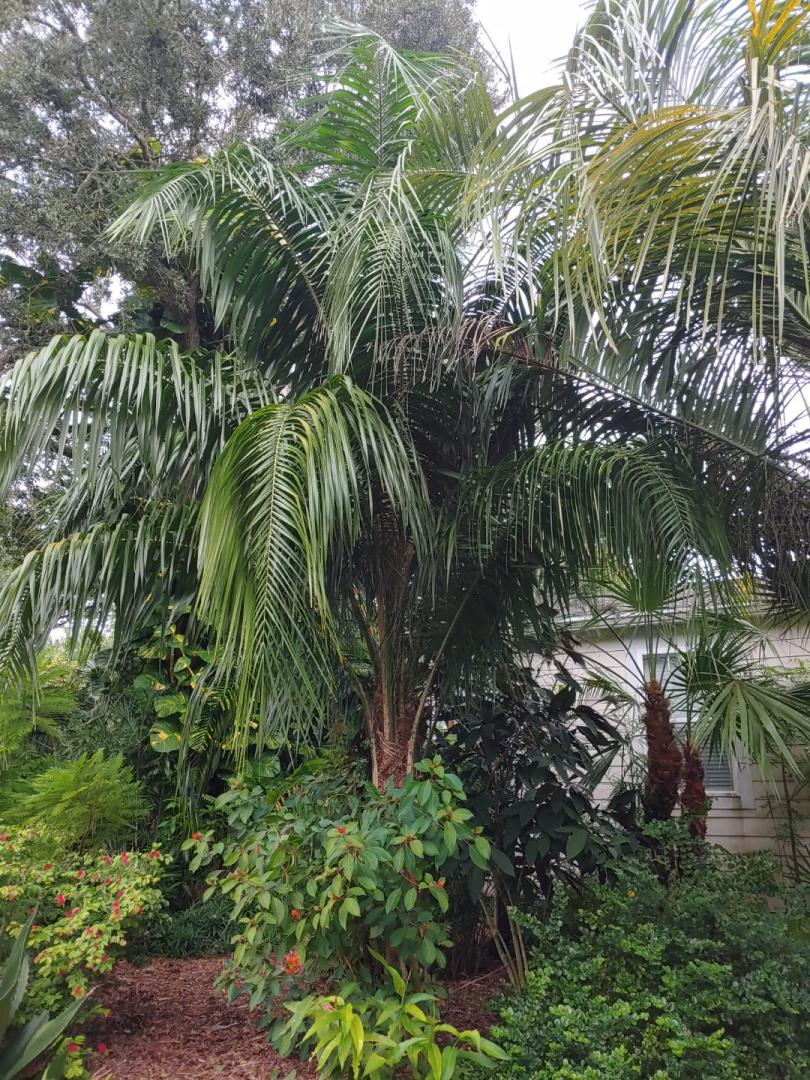
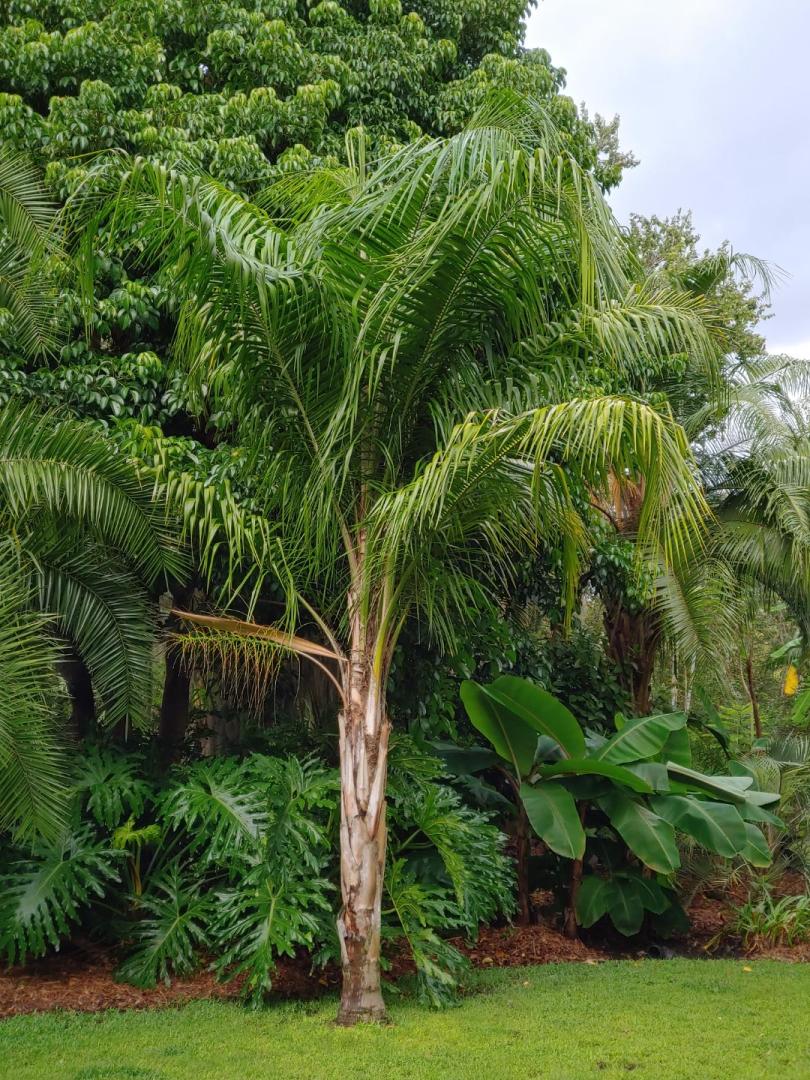
I have two growing in my yard in Northeast Florida. You will hear that they are as cold hardy as a Queen Palm. In my experience they are not even close. At 25 degrees my exposed tree completely defoliated. The crown smelled rotten but recovered completely with hydrogen peroxide treatments. In my yard the seed parent of the hybrid, Syagrus schizophylla had the same exact experience as the Coco Queen. No queen palms were damaged anywhere around here that same winter. The other Coco Queen had partial overhead protection. The leaves under canopy had minimal damage. Exposed leaves were fried. We have had mild winters since with one night at 30. There was no damage. For me there has been varying degrees of damage between 25 and 30 degrees. In drier climates they can probably take more cold. I got my trees from MB Palms as 3 gallons.
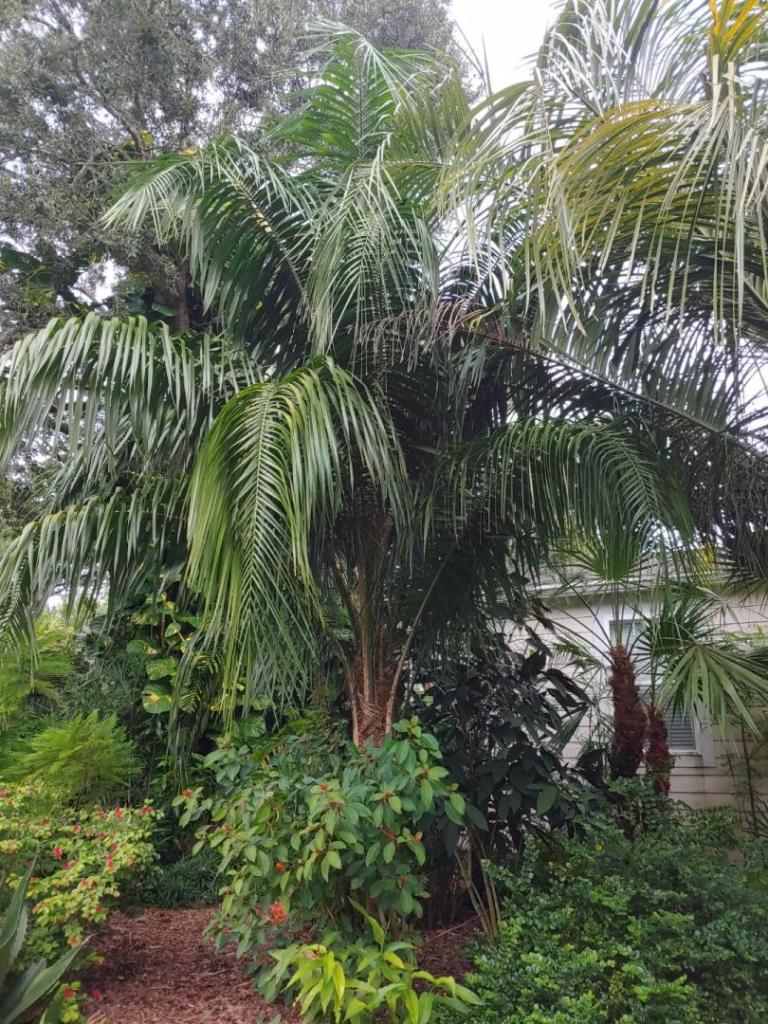
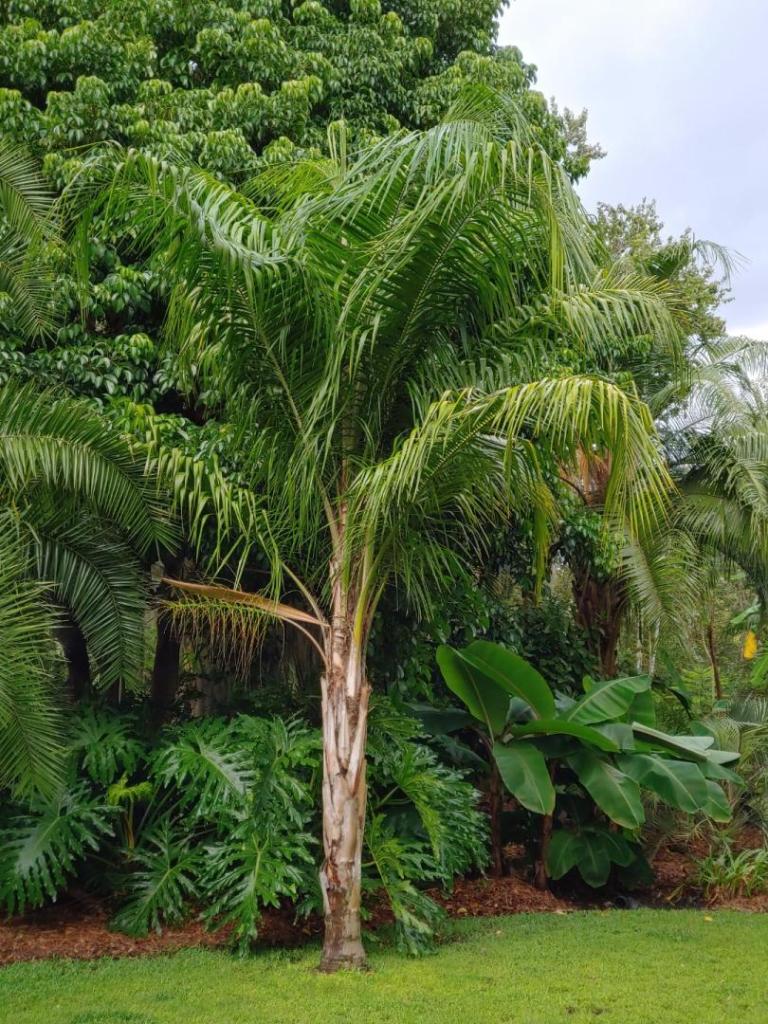 8 points
 -
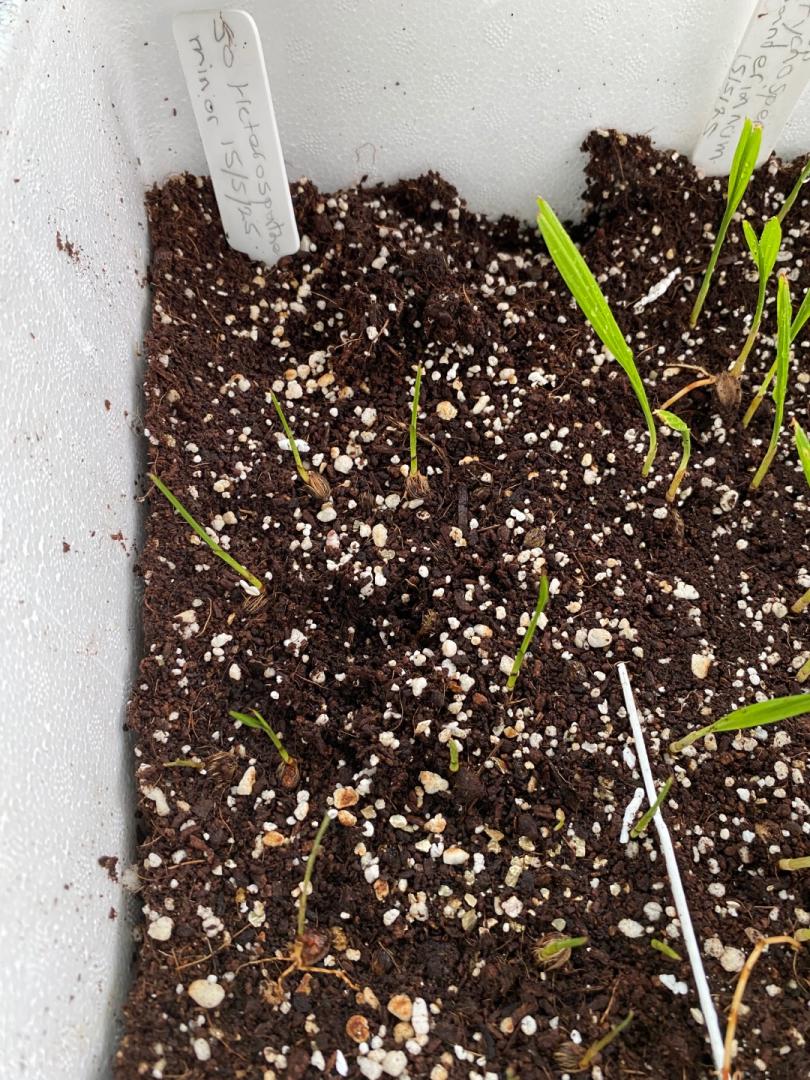
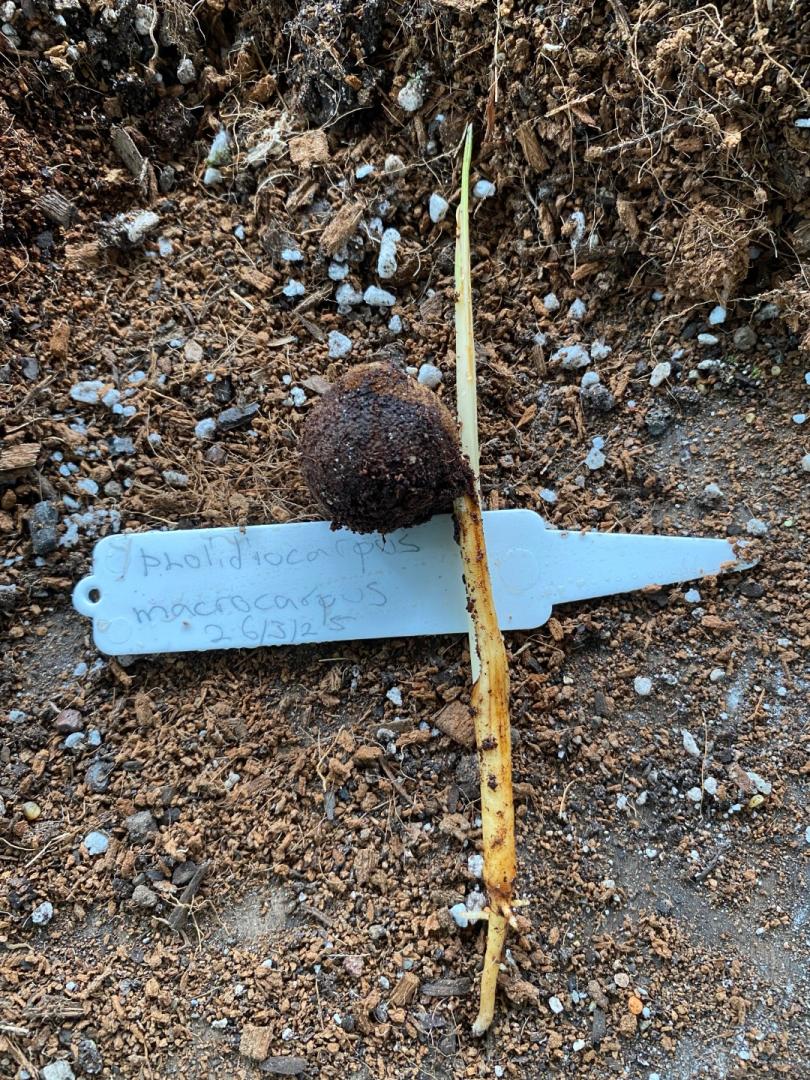
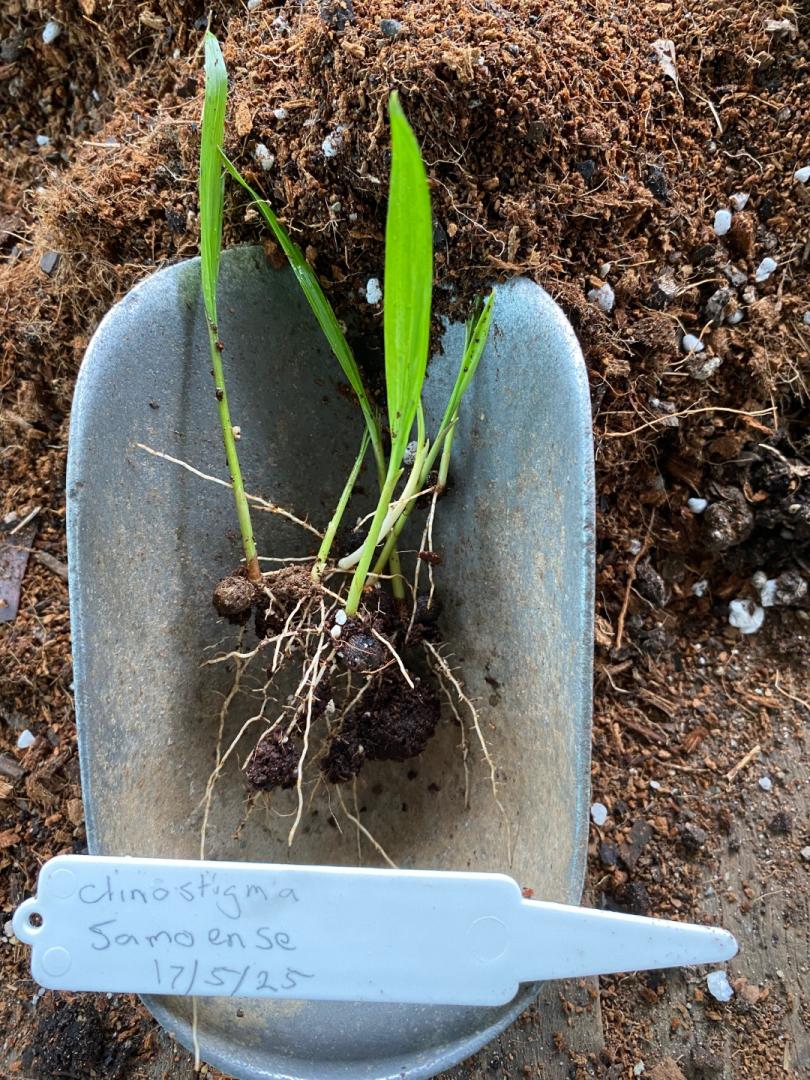
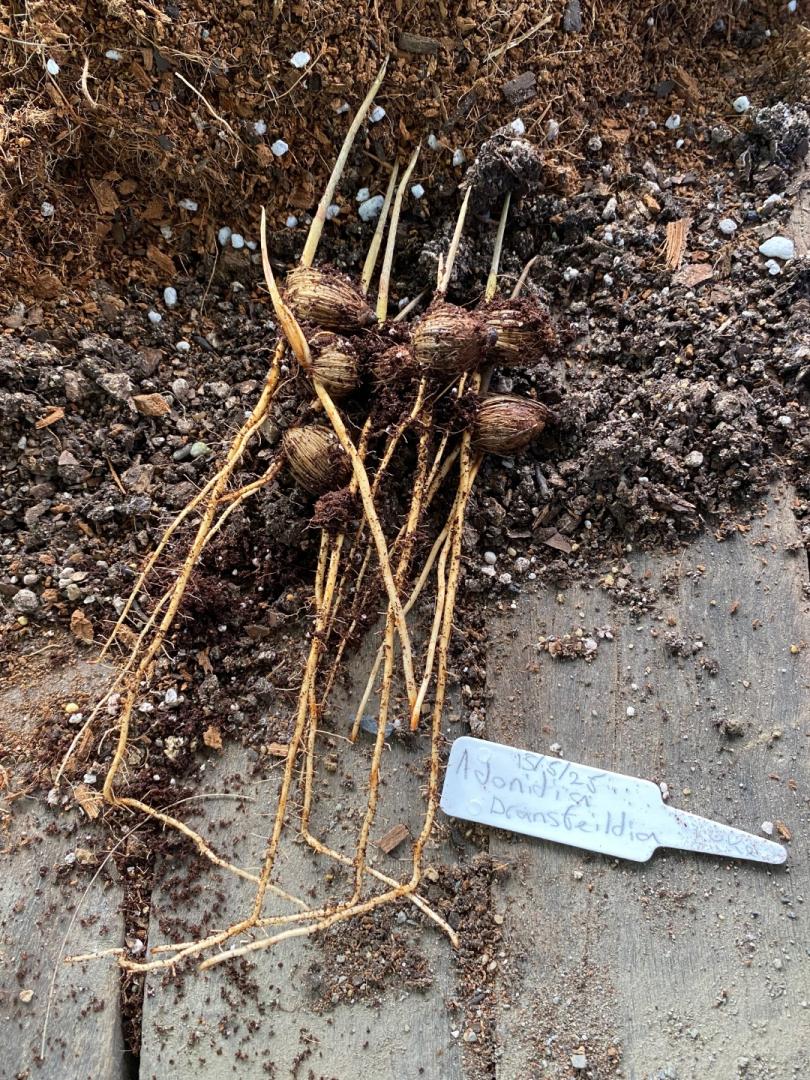
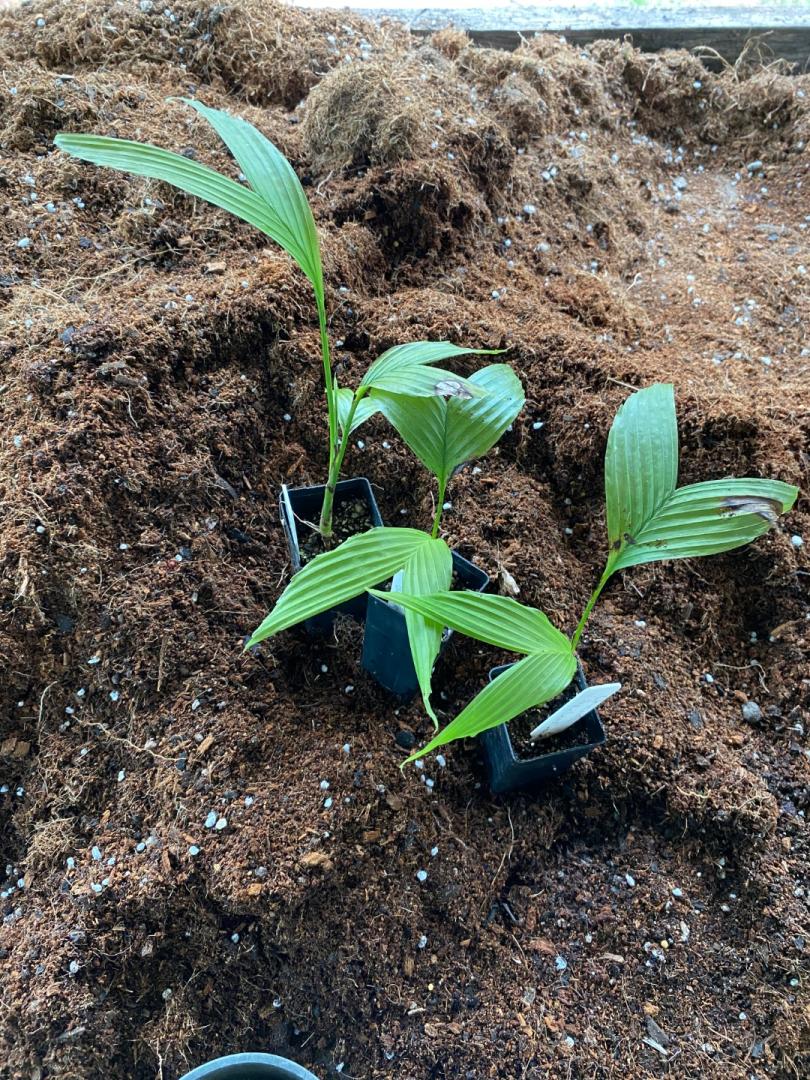
Some good stuff coming across the potting bench on a lovely spring day, what a great way to celebrate the arrival of spring then with a bit of potting, it was a problem germinating over winter not being able to pot up the tender new babies. At least I know they have a bit of cold hardiness. I will be keeping an eye on this lot in the years to come.


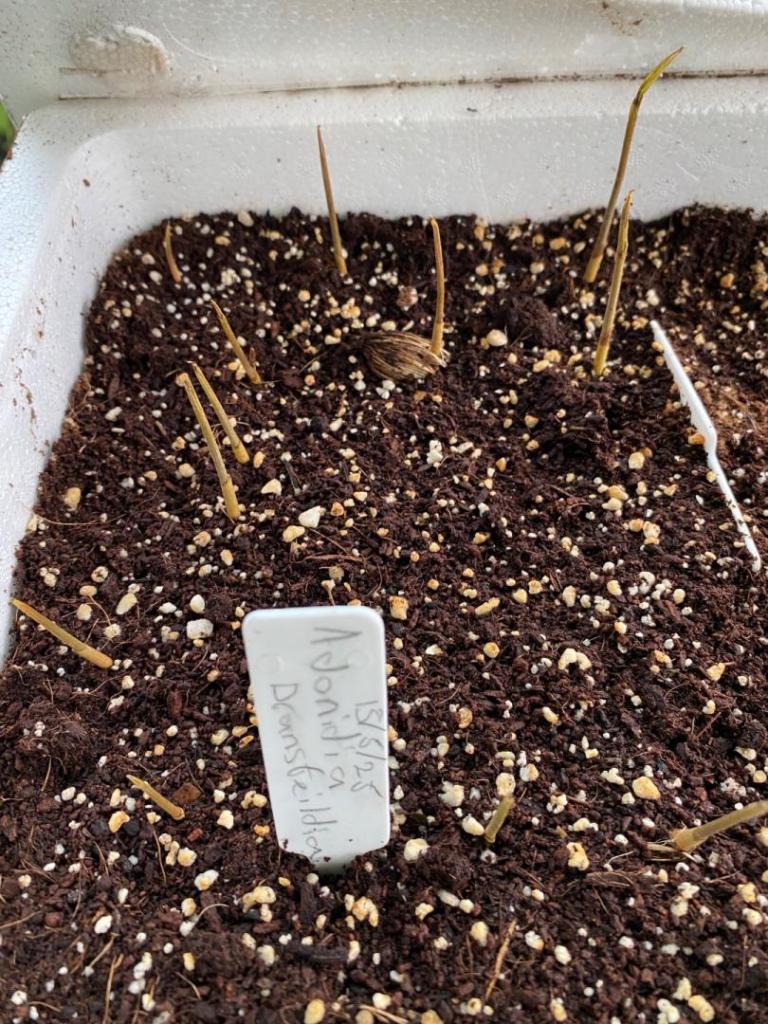
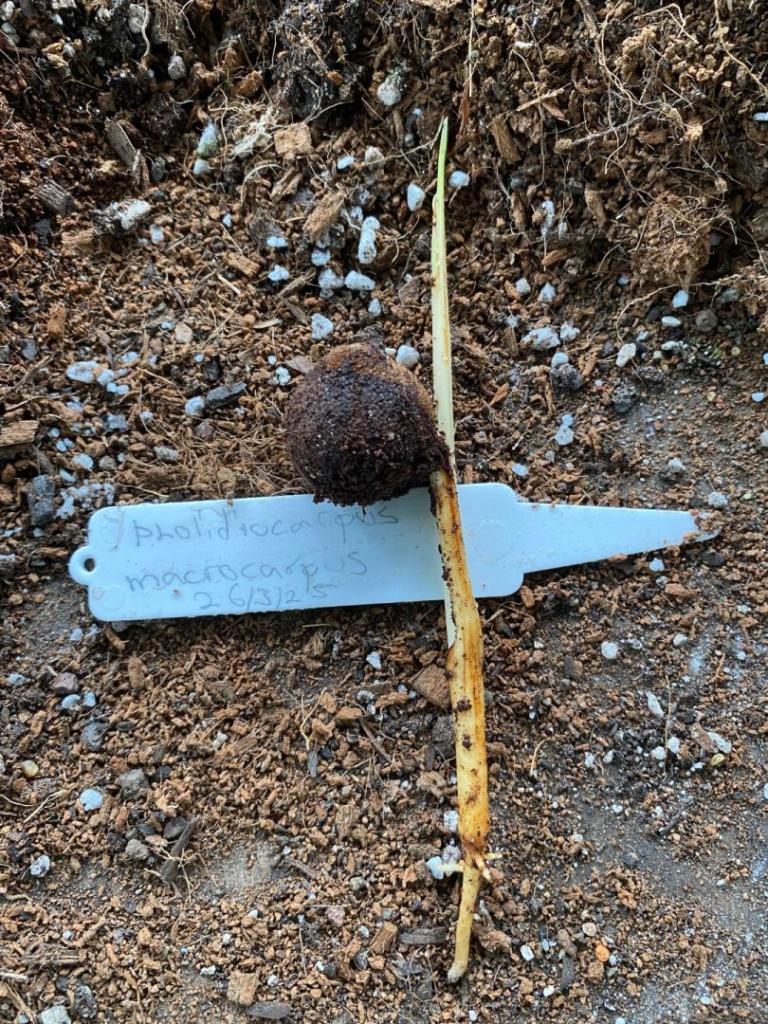
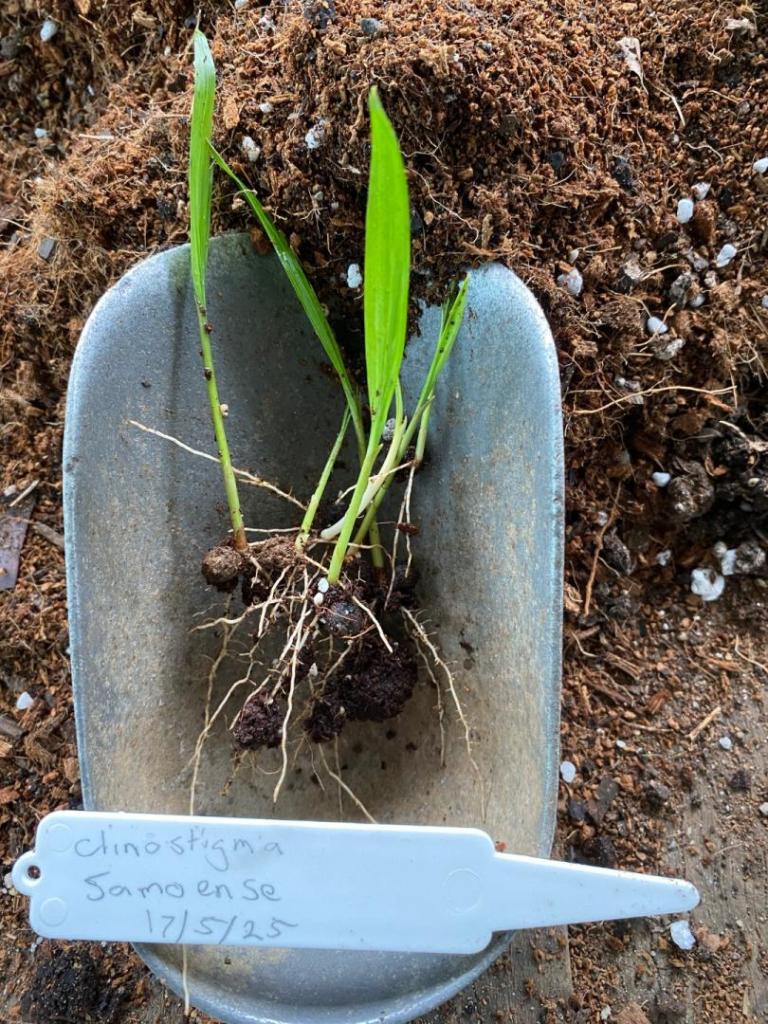

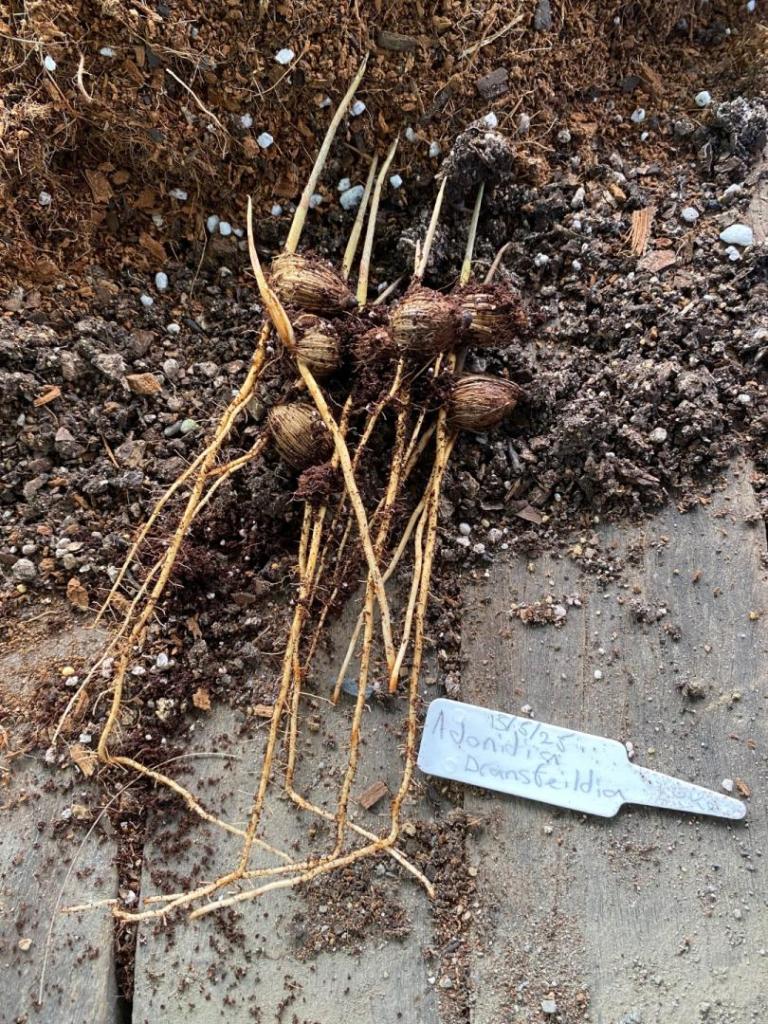


 7 points
 -
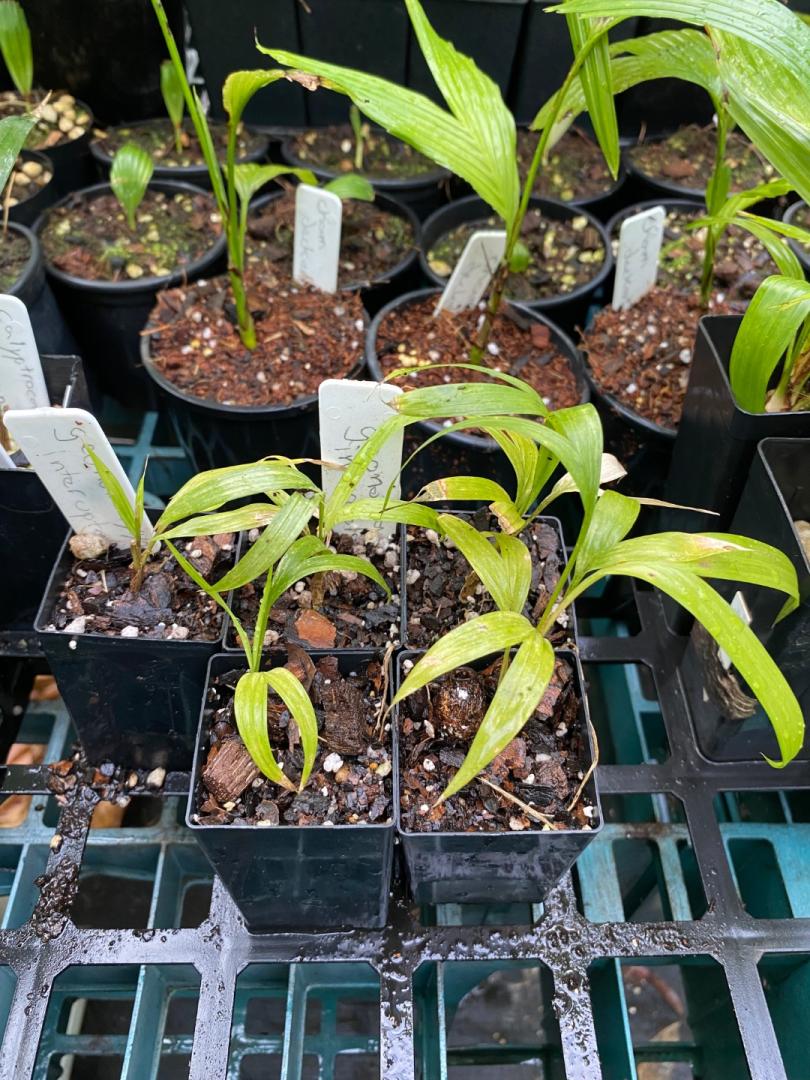
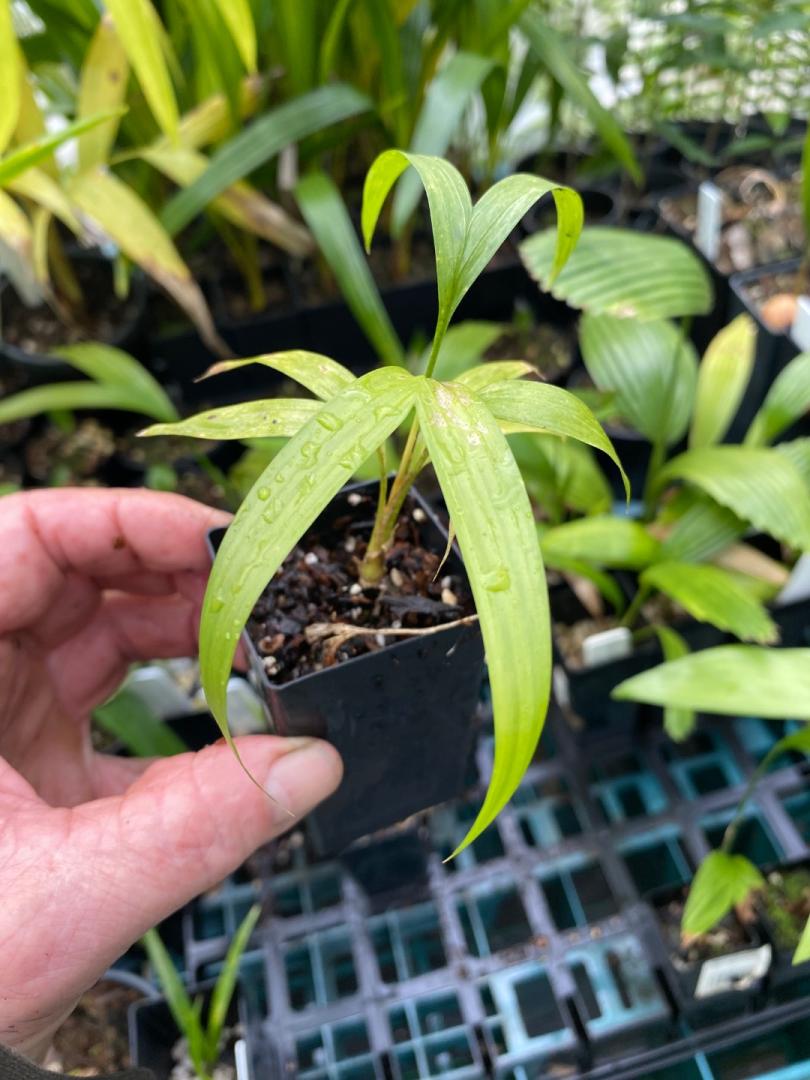
A purchase of a few interupta seedlings a little while back from an ips member. I found them today and was quite happy with the results of them making it through winter. Some nice little palms for future garden.


 7 points
 -
My rarest palm tree would prob be a tie between my Cyrtostachys renda Variegated and Chrysalidocarpus 'Votovavy Blue'

 7 points
 -
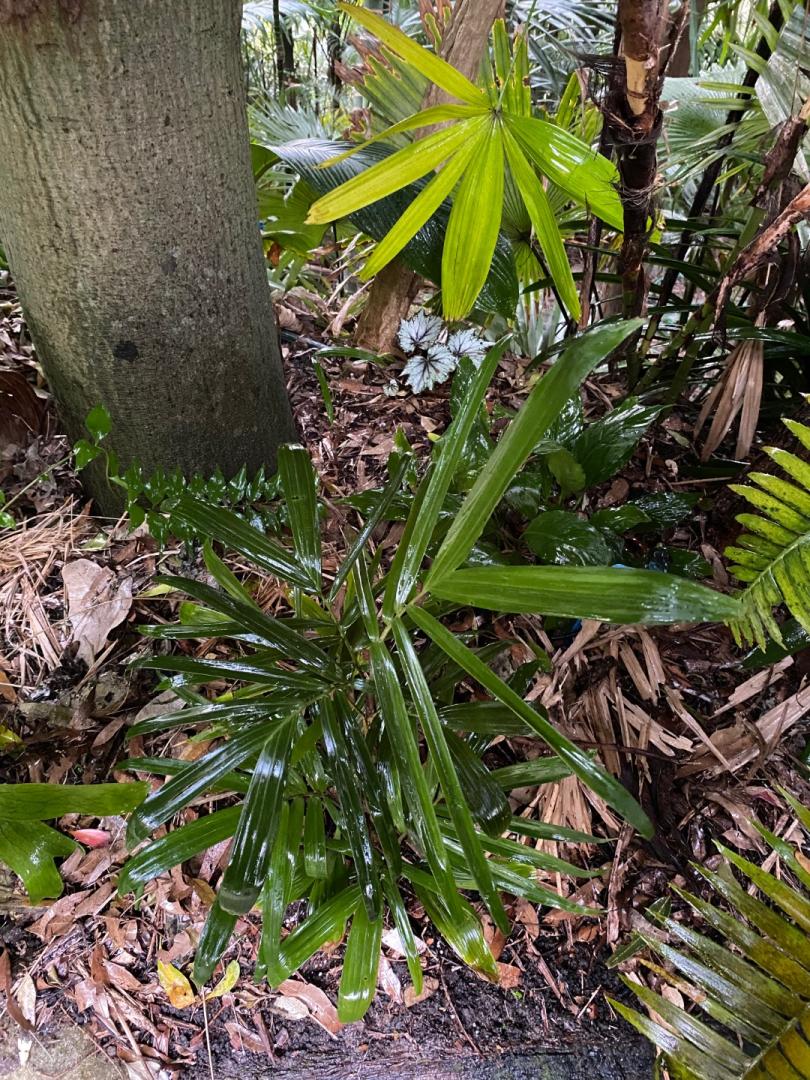
Thought I should share a couple pics. First is a 10 yo P. viscosa; next was purchased as P. aylmer-robinsonii, later rolled into “remota” by Don Hodel.

 7 points
 -
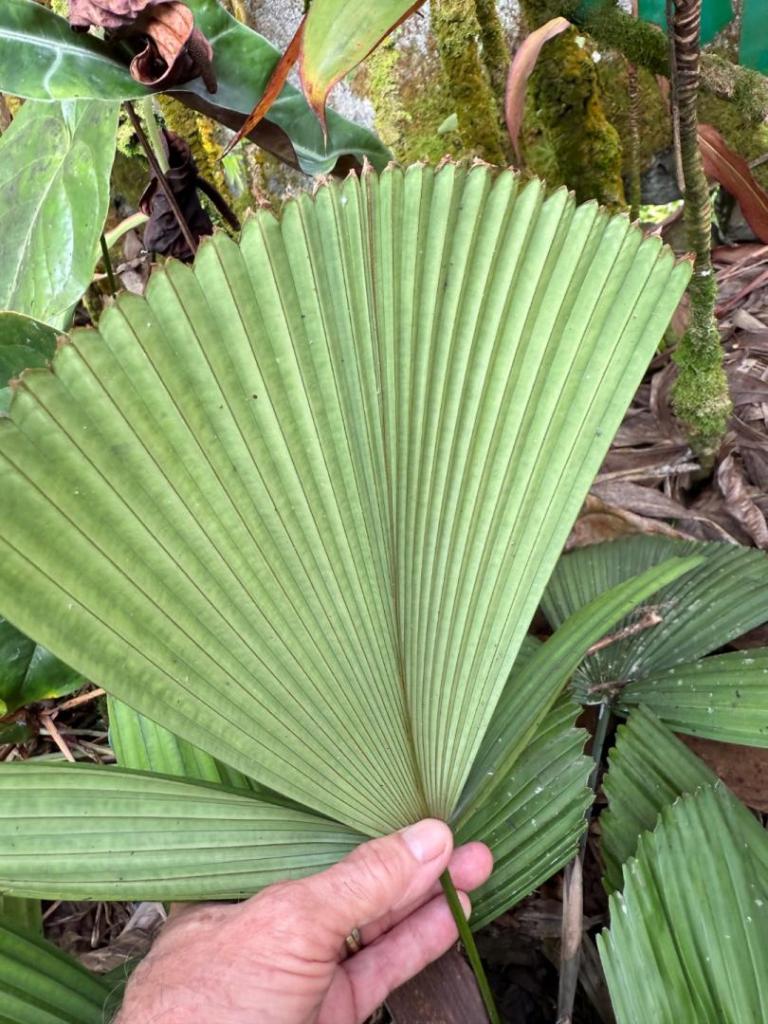
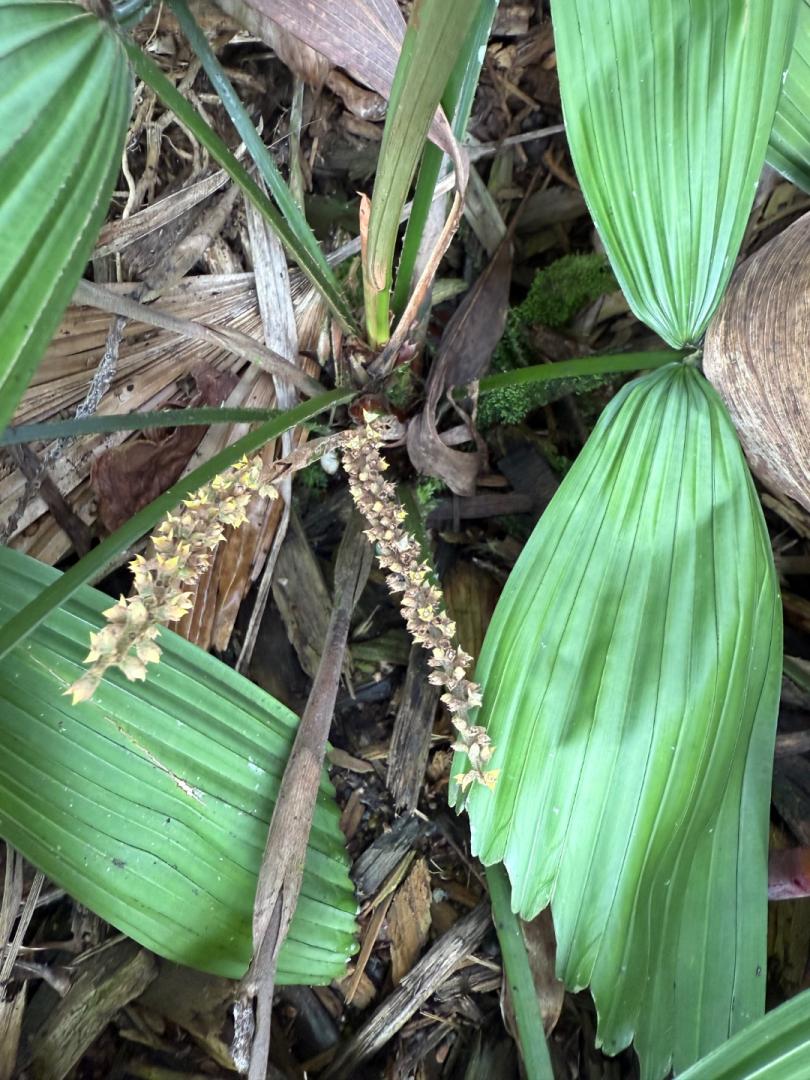
Such a nifty little palm from peninsular Malaysia. Been in the ground for about 10 years now from a small seedling. Blooms continuously, but never sets seed. Interesting color, bluish green with a matte sheen. A well behaved garden gem. Tim

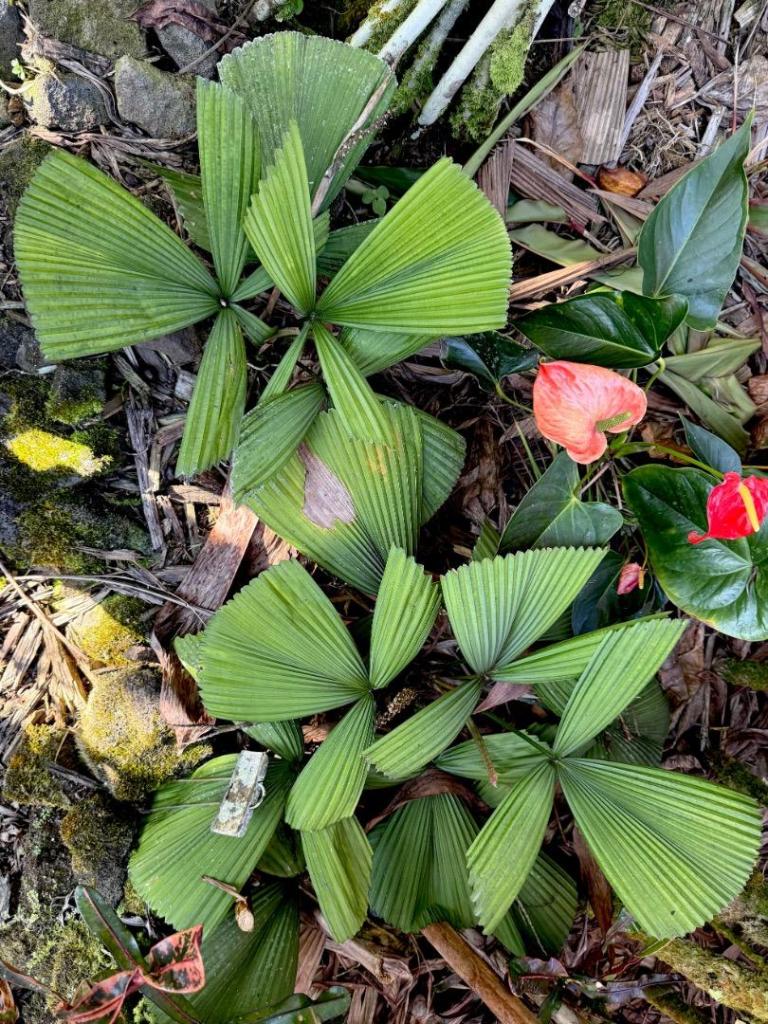
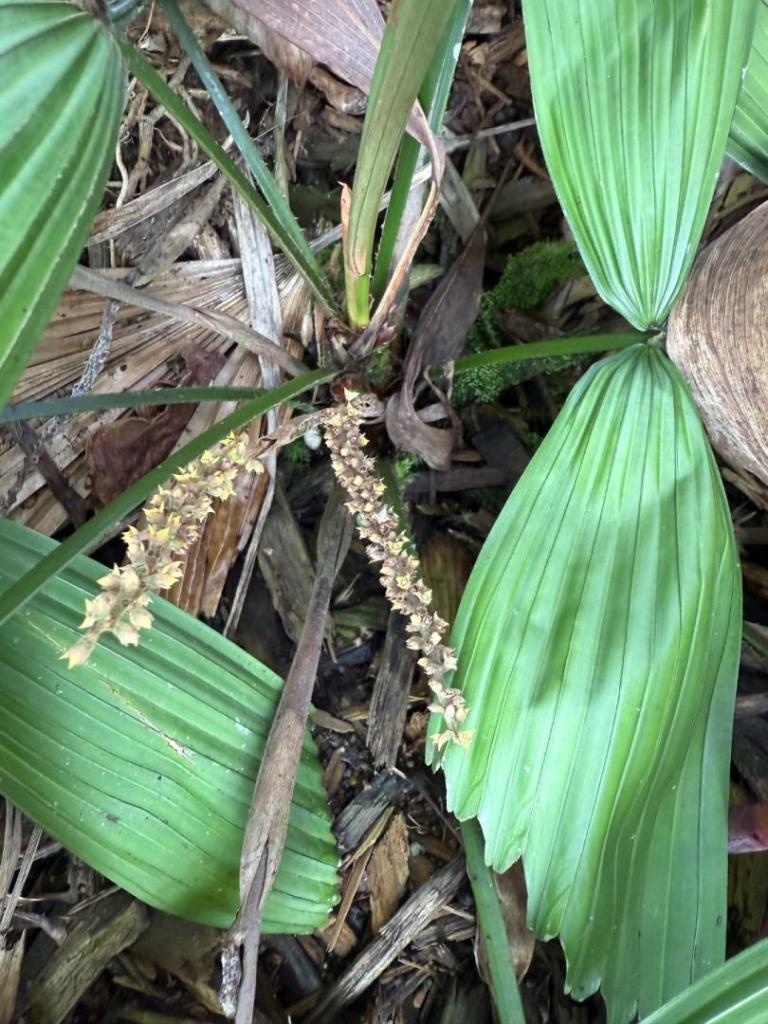
 5 points
 -
A nice little palm, only known as dypsis species so a mystery one this little blighter, growing well and staying true too it’s name as a small understory true dypsis.


 5 points
 -
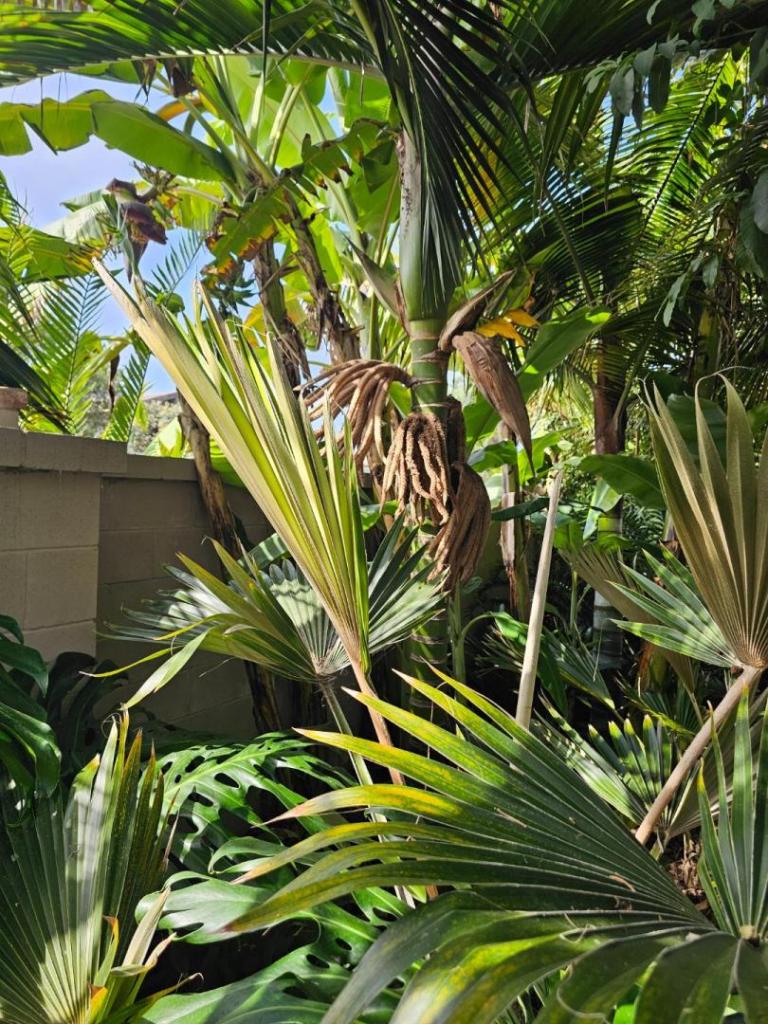
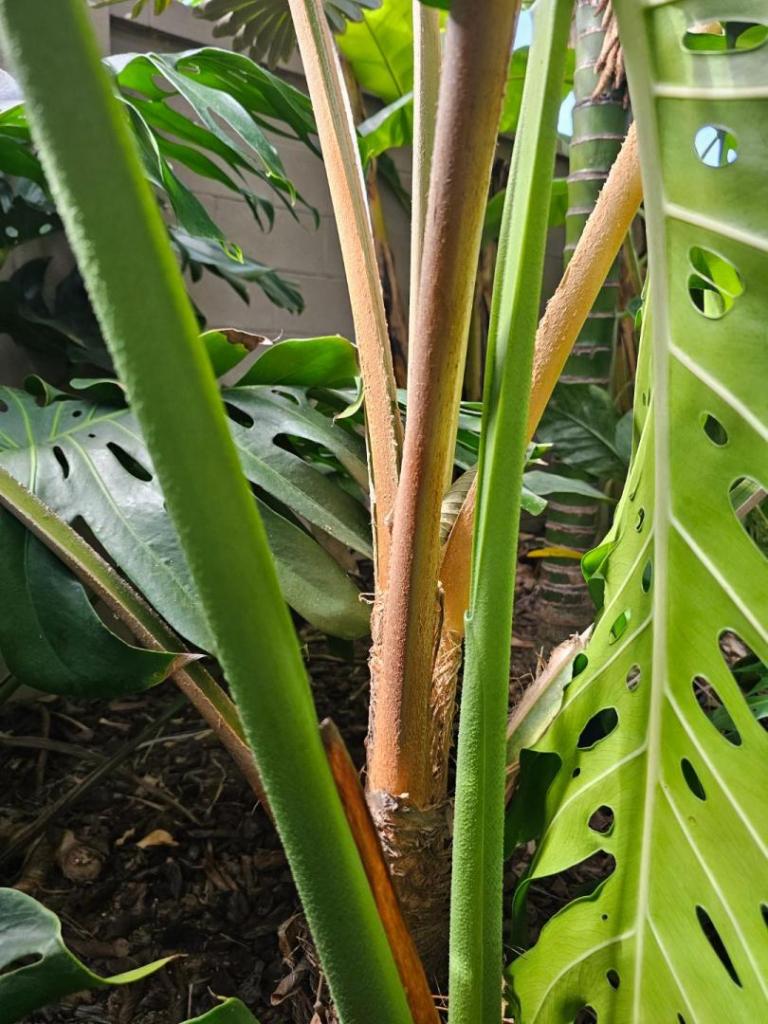
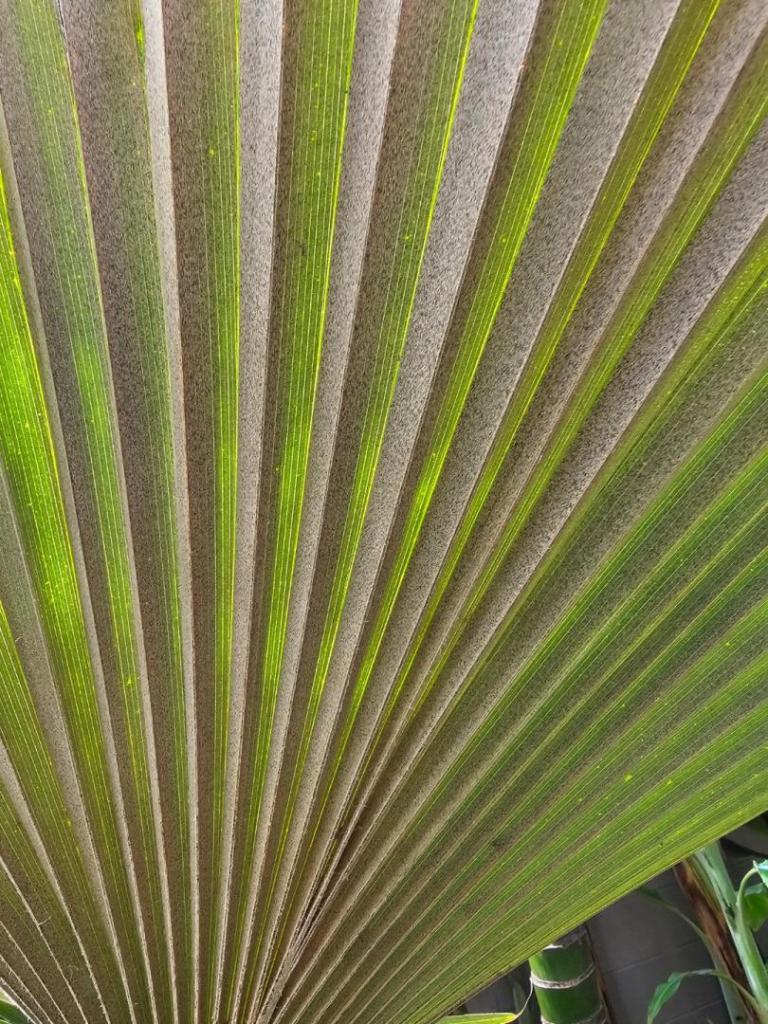
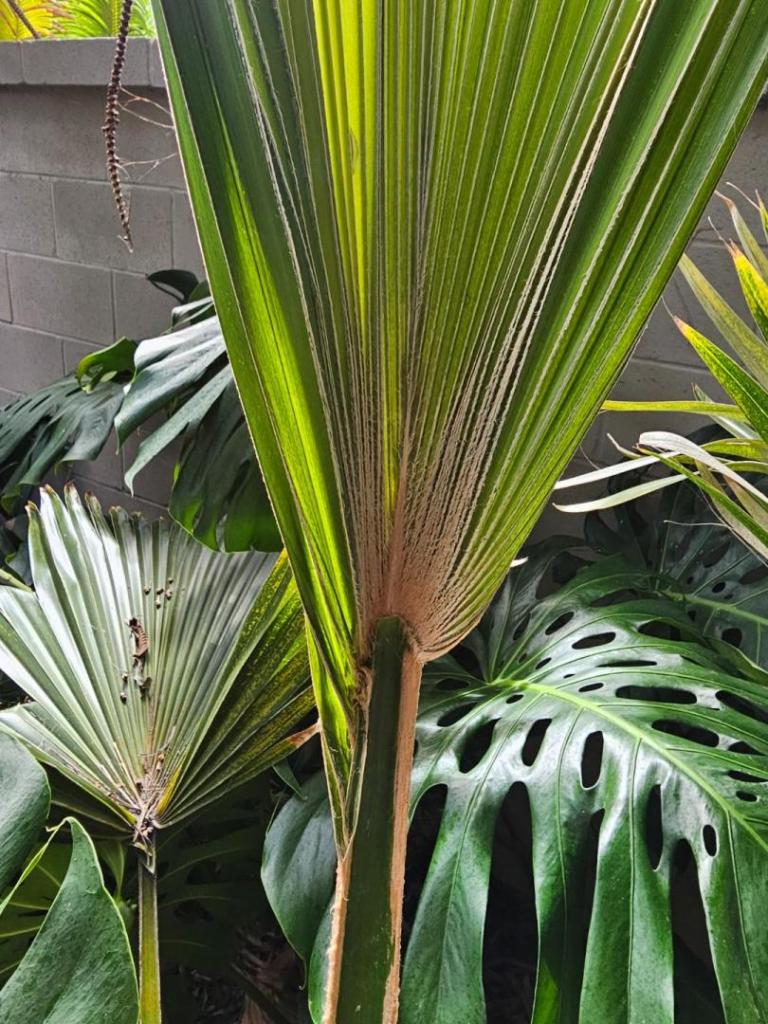
Still no sign of flowers on mine acquired as Pritchardia flynnii, but it remains a very attractive palm
.thumb.jpg.63f8d03926bdce8e9c2e737c3135965a.jpg) 5 points
5 points -
This story is old news, but I have posted it for the great images. I have visited about 40 countries, and this is the most special place! During my visit, before the baiting, the proposal was controversial among the residents. My guide, Jack Schick, was firmly in the camp for baiting. https://www.bbc.com/reel/video/p09b5f3c/saving-an-australian-paradise-s-cloud-forest4 points
-
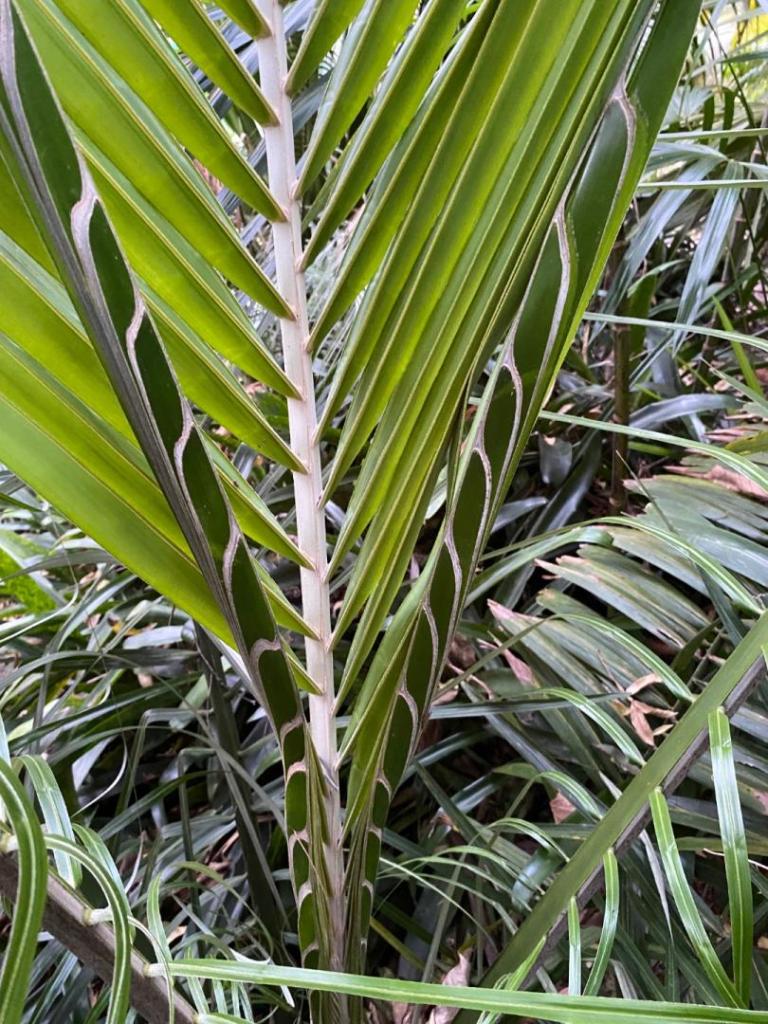
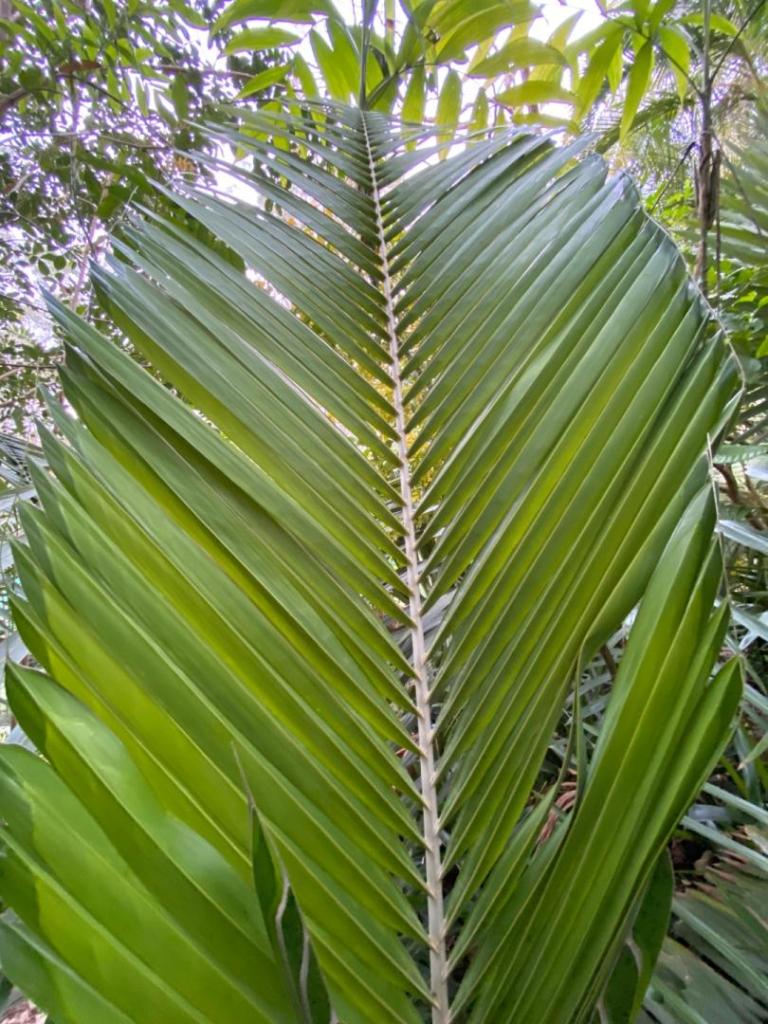
Trekking through the garden and come across the caudescens looking rather stately from all the wet weather and a nice Cool winter. Spring has sprung and she’s putting on a nice show for the first day of spring. Slow growing at 25 years old, but it’s not Hawaii where palms grow at the speed of light!

 4 points
 -
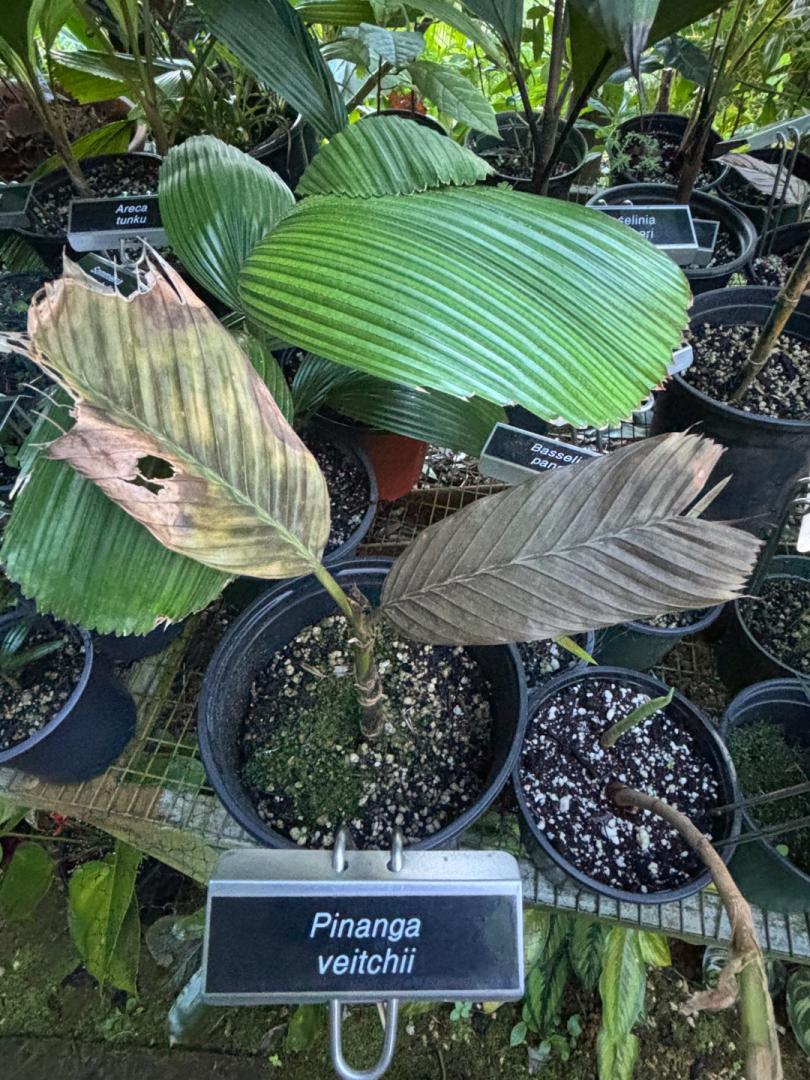
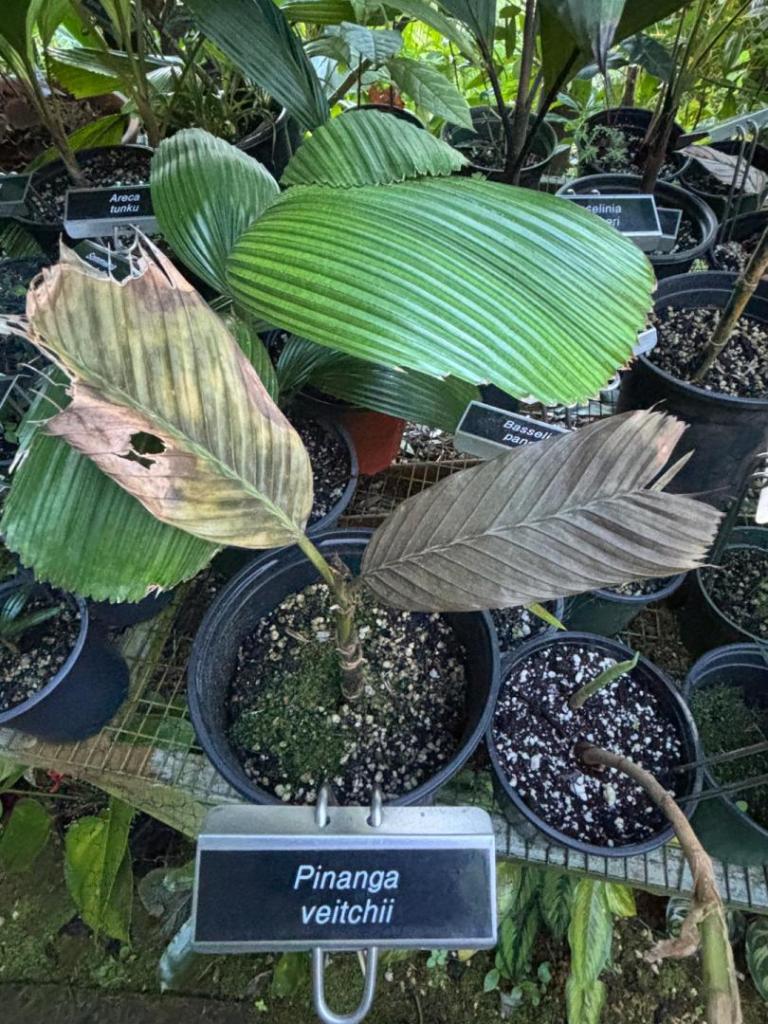
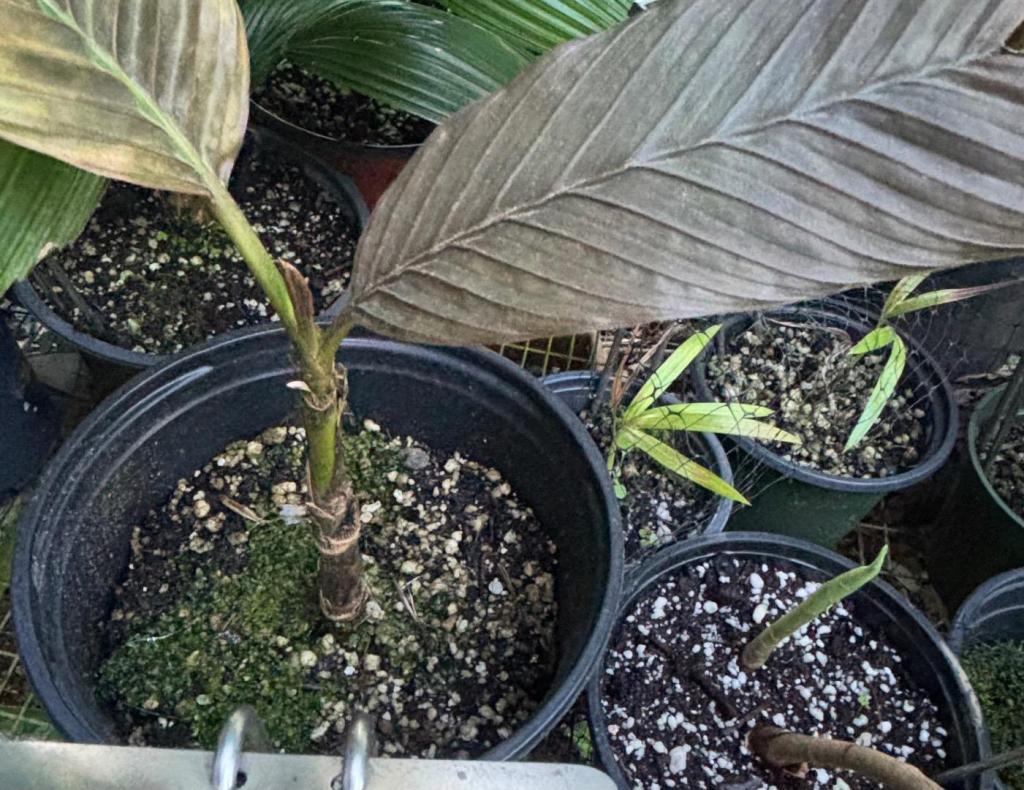
Now in my posts of shame I will show Pinanga veitchii which I had heard might not like tap water. Most of the time even potted plants here get enough rain, but last winter I forgot that advice and watered everything in my shadehouse a few times with city water. Whatever the reason the palm has fewer leaves than when I bought it. It does seem to be in recovery mode now with most every afternoon rains and a new tiny spear plus one healthy leaf showing. Hoping I will remember to just keep a bottle of rainwater near it for next time it needs help.
 4 points
 -
That seems absolutely plausible to my very limited understanding. India was part of Gondwana, as per the map posted above. If the whole Cocosoid tribe evolved in that super continent, then Cocos could have originated in India, then drifted east across the Pacific with or without human help, and ultimately back to the west coast of the Americas. It's a fascinating topic.4 points
-
Here's my, zone 9, third year, regular bloom, set fruit but never get it bigger than walnut size due fall temperature.
 4 points
 -
The Phoenix is a bold choice, but I would think that the butia and chamaerops will be solid choices for Atlanta. Thanks for sharing.4 points
-
Quick Background; Dec 2022 we saw 6°F. Last two winters we bottomed out in the 17°F to 18°F range. The USDA published the new map that has the city at around 12°F for a minimum. A house near me replaced some palms in 2023. Here are some low-qual photos. These are covered with frost cloth over the winter. P.sylvestris, B.odorata, and C.humilis.


 3 points
 -
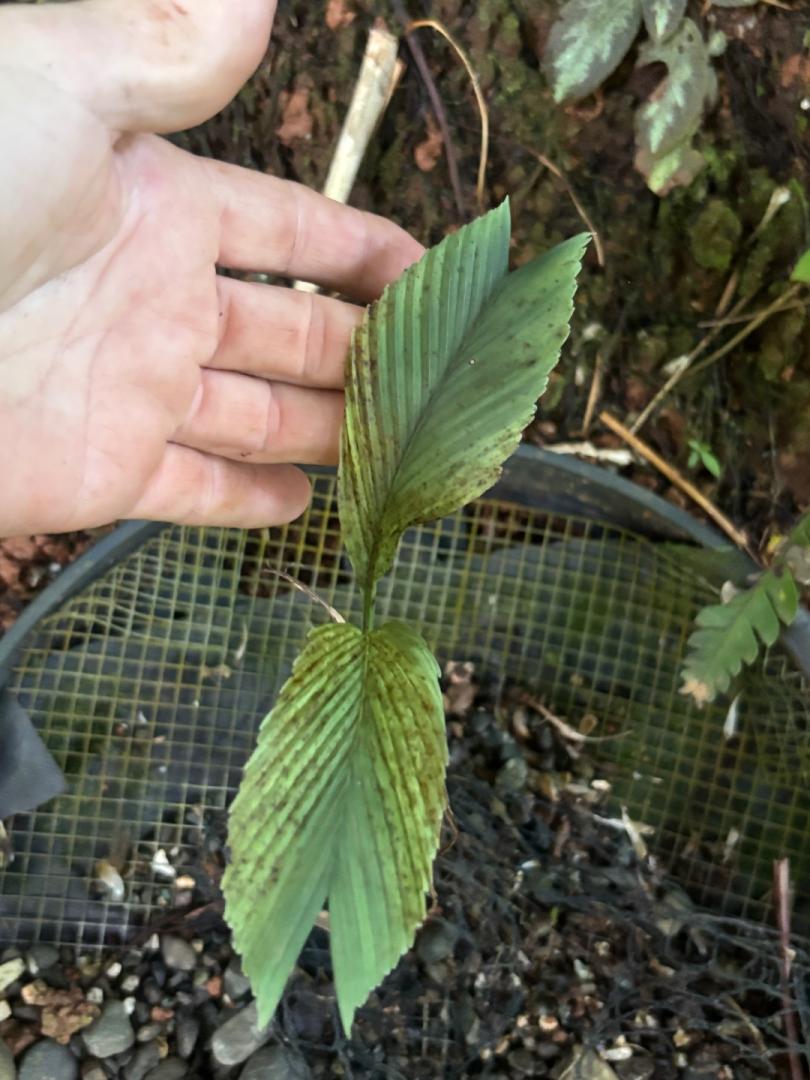
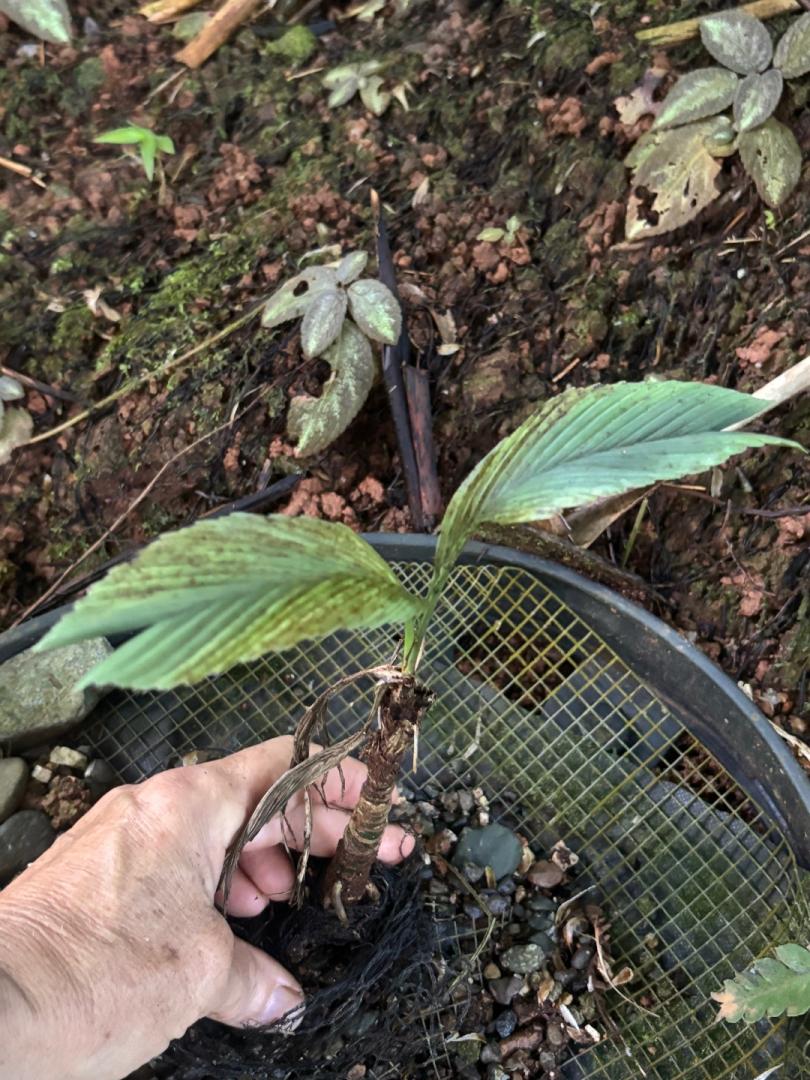
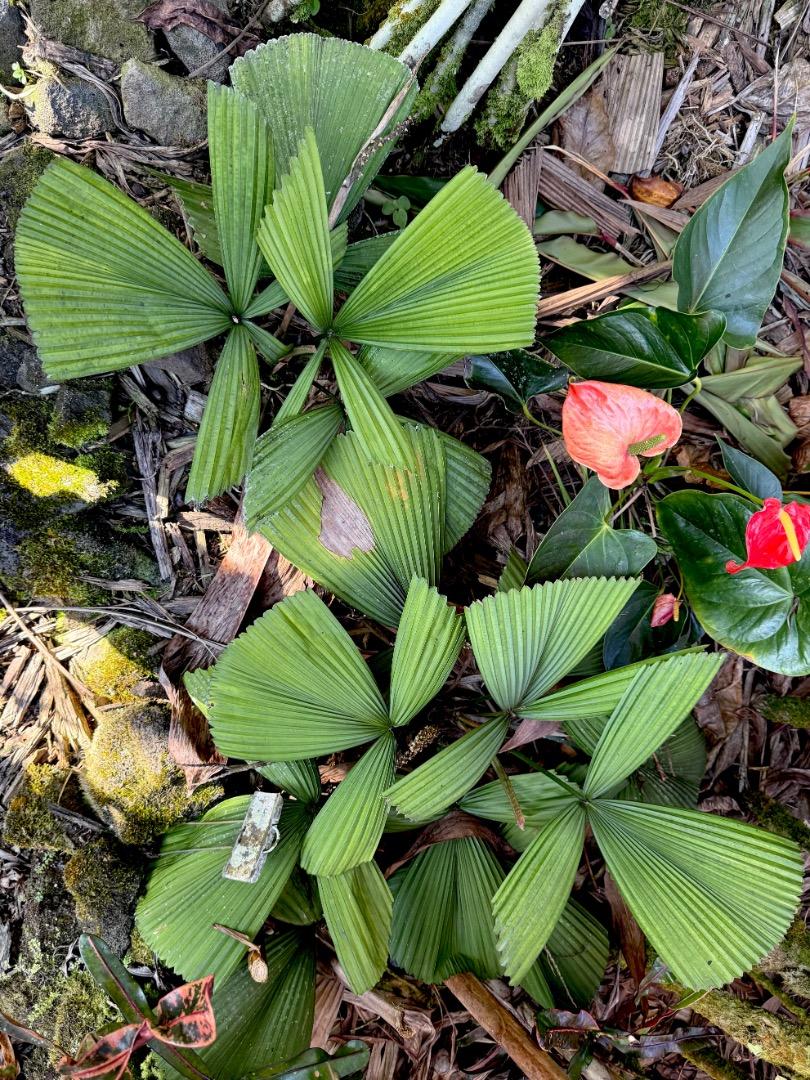
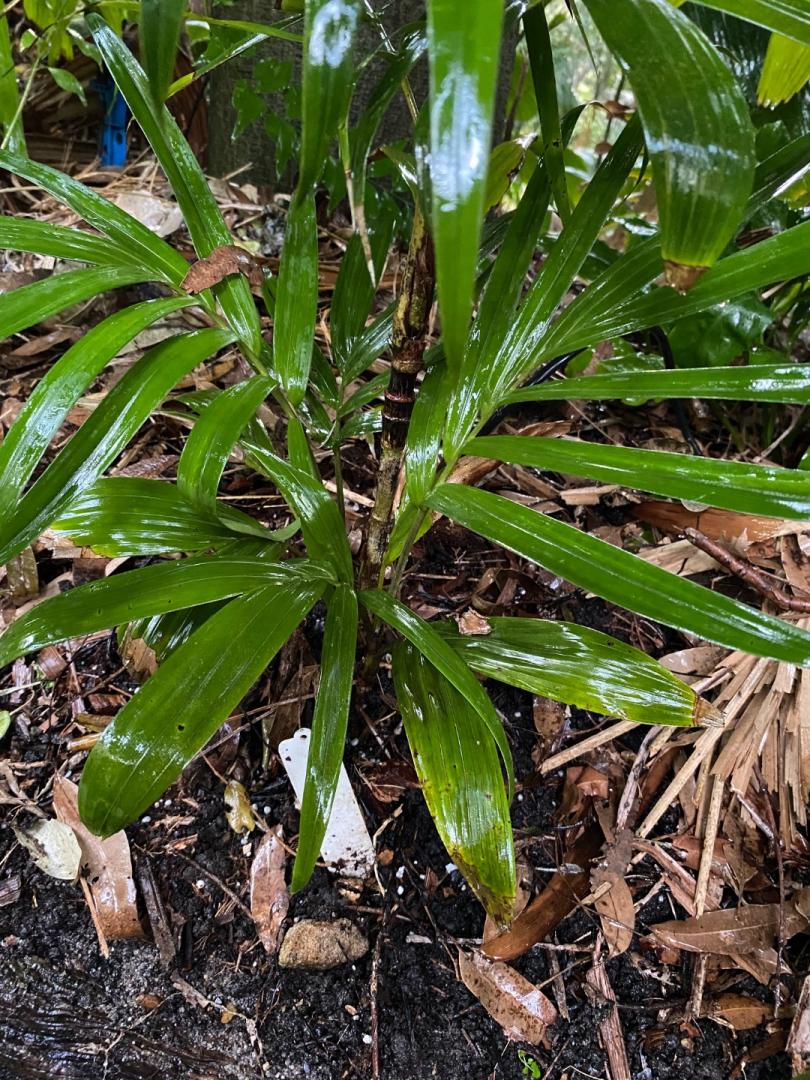
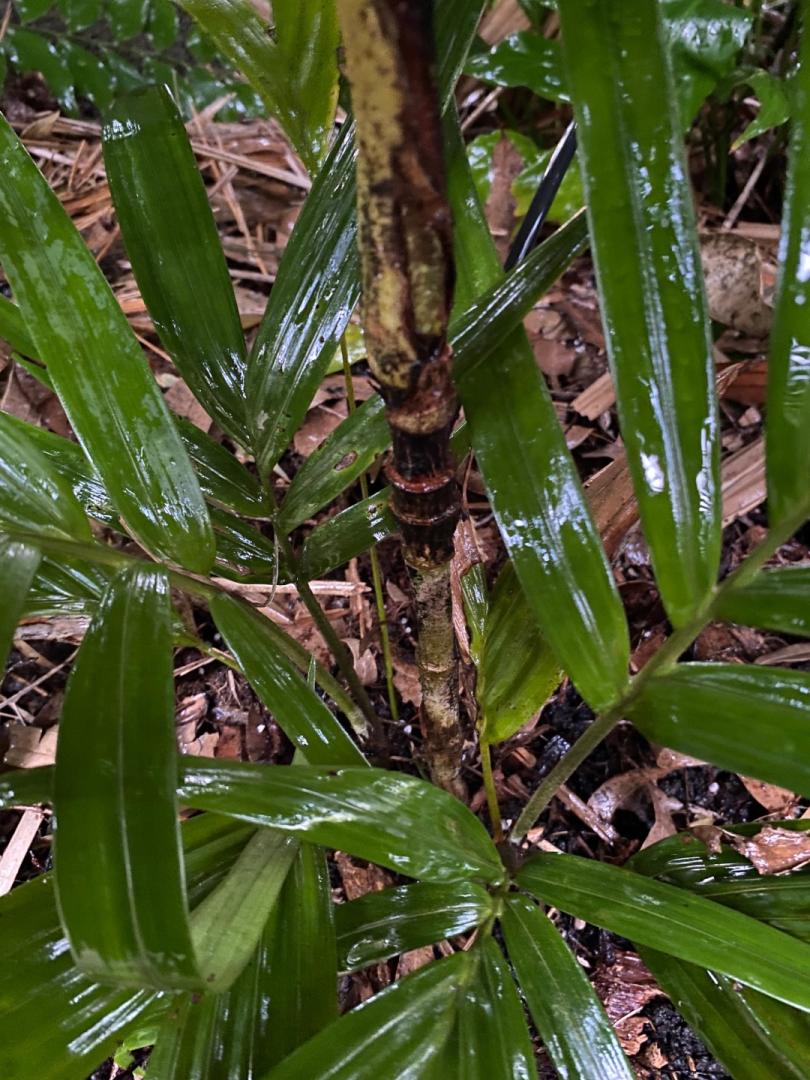
This Chamaedorea amabilis is a rare one I think and I have only been able to find one meaning, no chance of seeds. It looked terrible in the ground for about 10 years. I was hoping it would grow roots along its stem so I could air layer it. That has worked great for three other species of Chams. However I finally dug it up and put it in my shadehouse nearly a year ago expecting it to die. Now you see the long skinny trunk below if you look closely. And here are the pitiful leaves. There are more finicky palms for me to post later. I can’t blame rhino beetles for all my palm growing challenges I guess.

 3 points
 -
i don't wanna sound like a peckerhead because this bug looks awful, but I'm glad we don't have it here. All we have here so far is the palmetto weevil. And feral cats.3 points
-
Bought a chipper a few years ago AND then came the COCONUT RHINOCEROS BEETLE and they love compost to lay eggs. So no more composting for me. Rake up leaves and stuff, bag it, and off to the city to maybe burn to make electricity.3 points
-
San Felipe, BCN Guerrero Negro, BCS3 points
-
I’m sorry, I didn’t mean to clickbait anyone I looked it up and got mixed up. I mixed up coco de mer with another random type.3 points
-
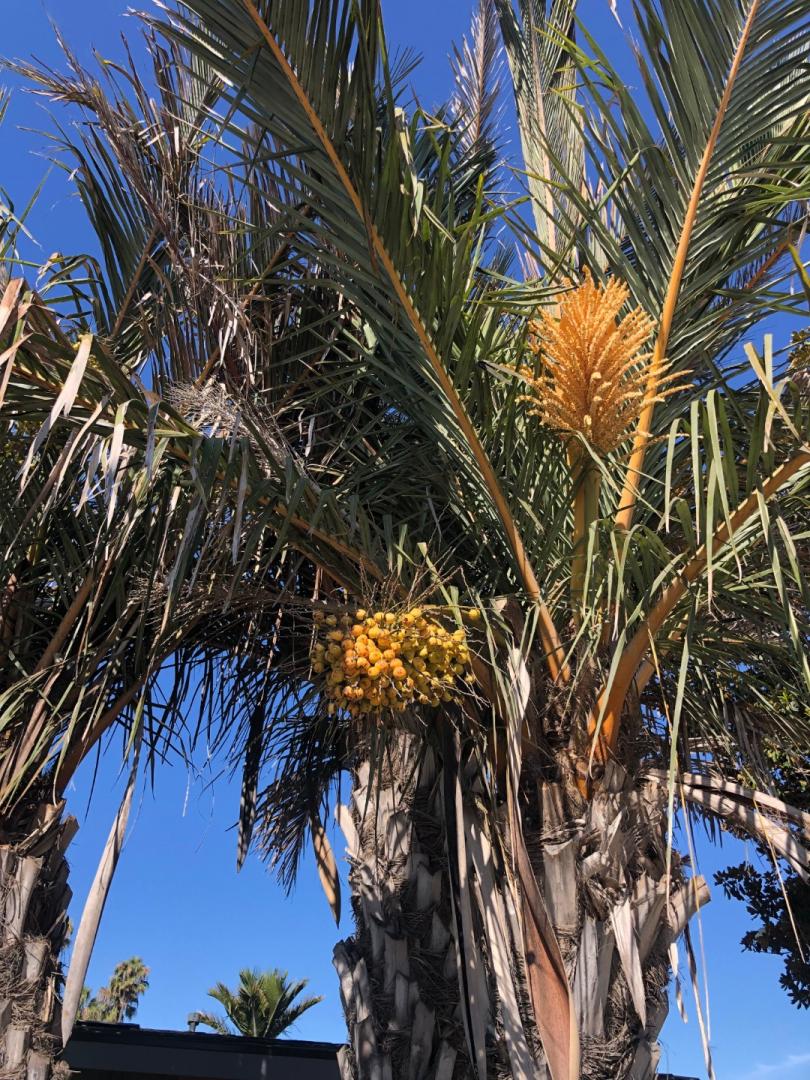
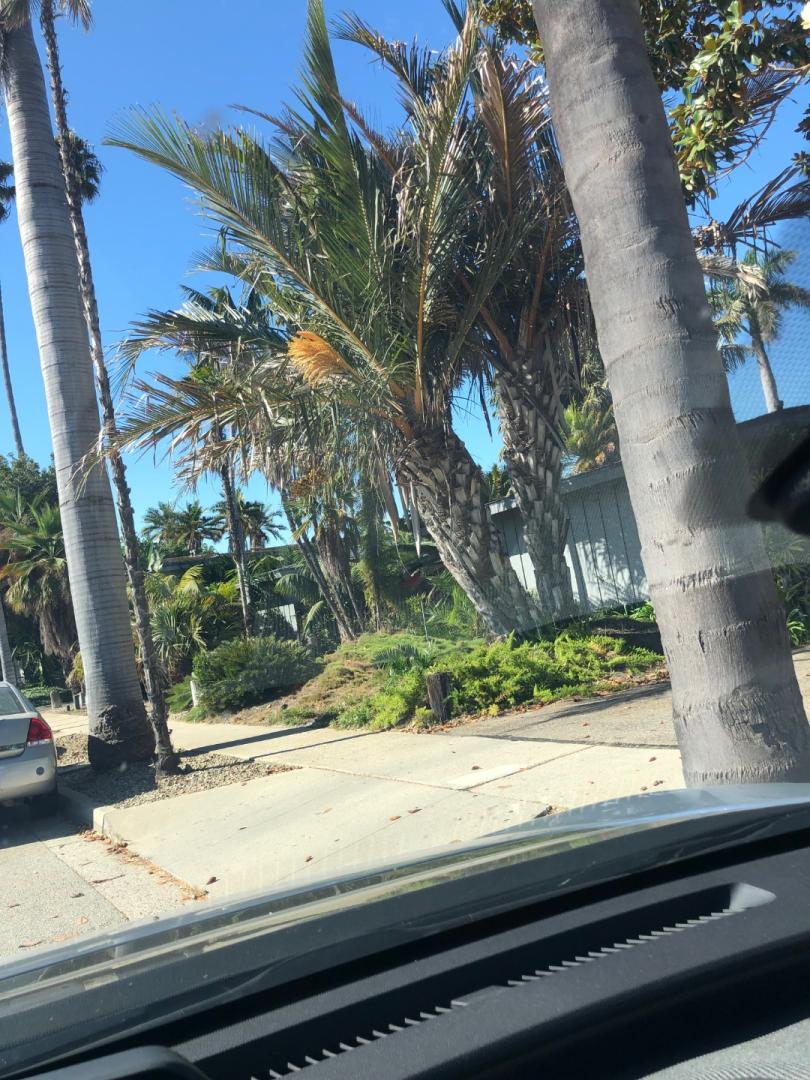
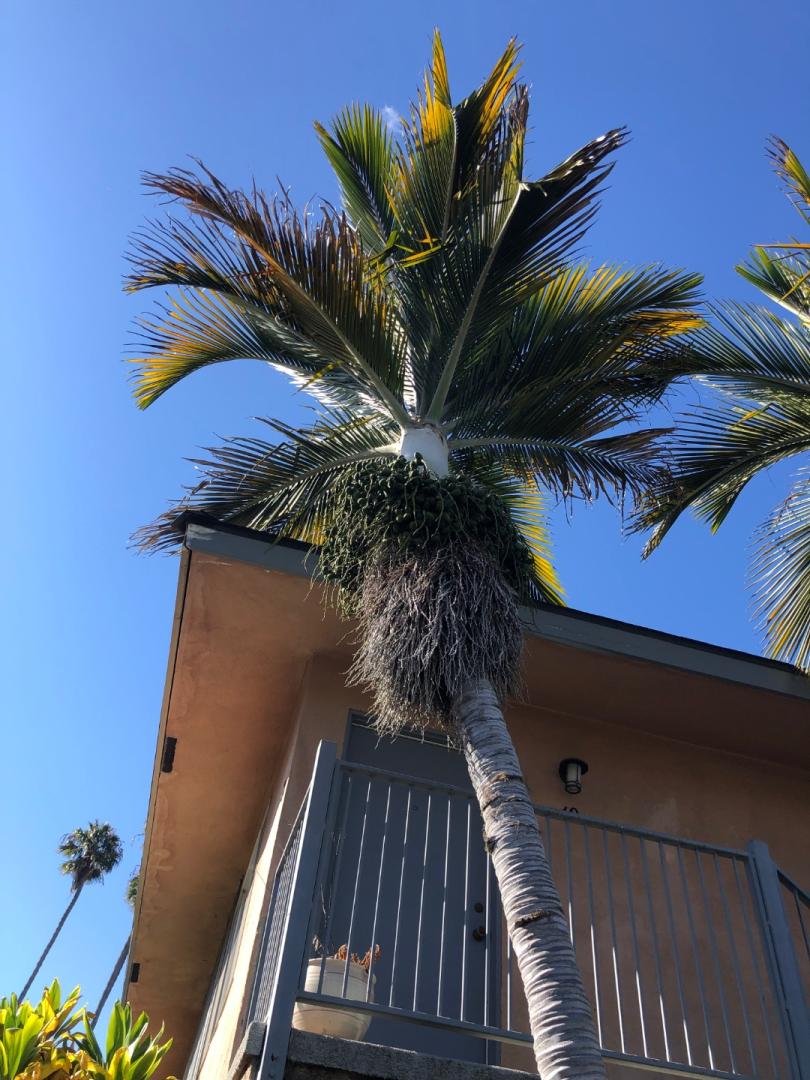
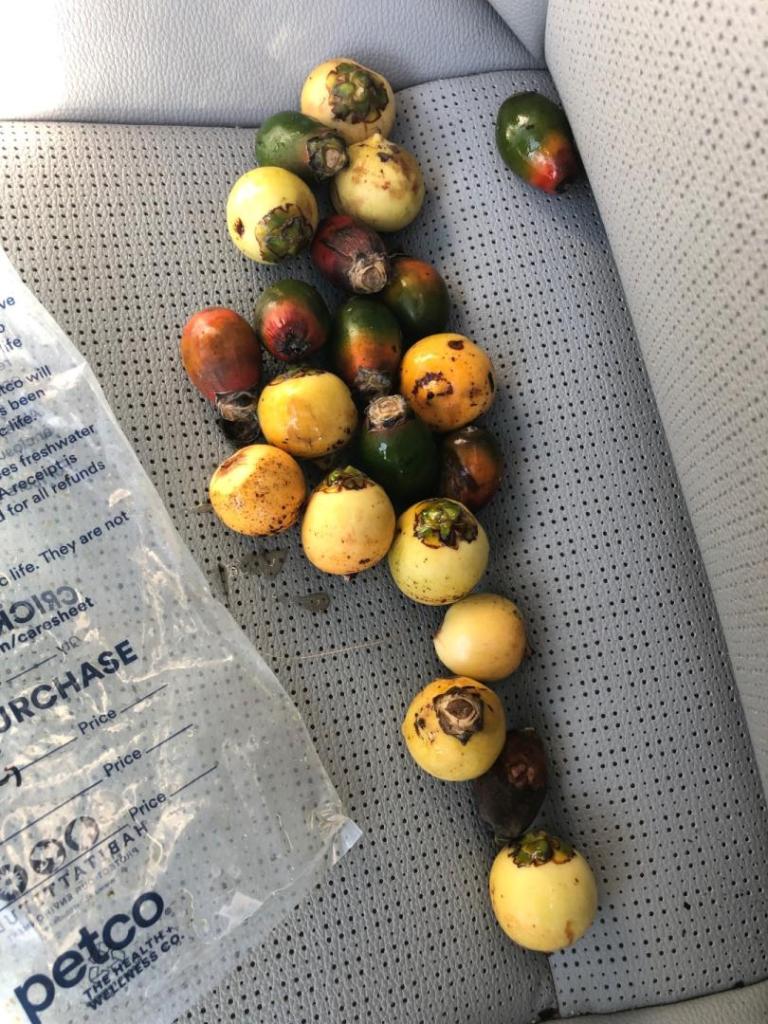
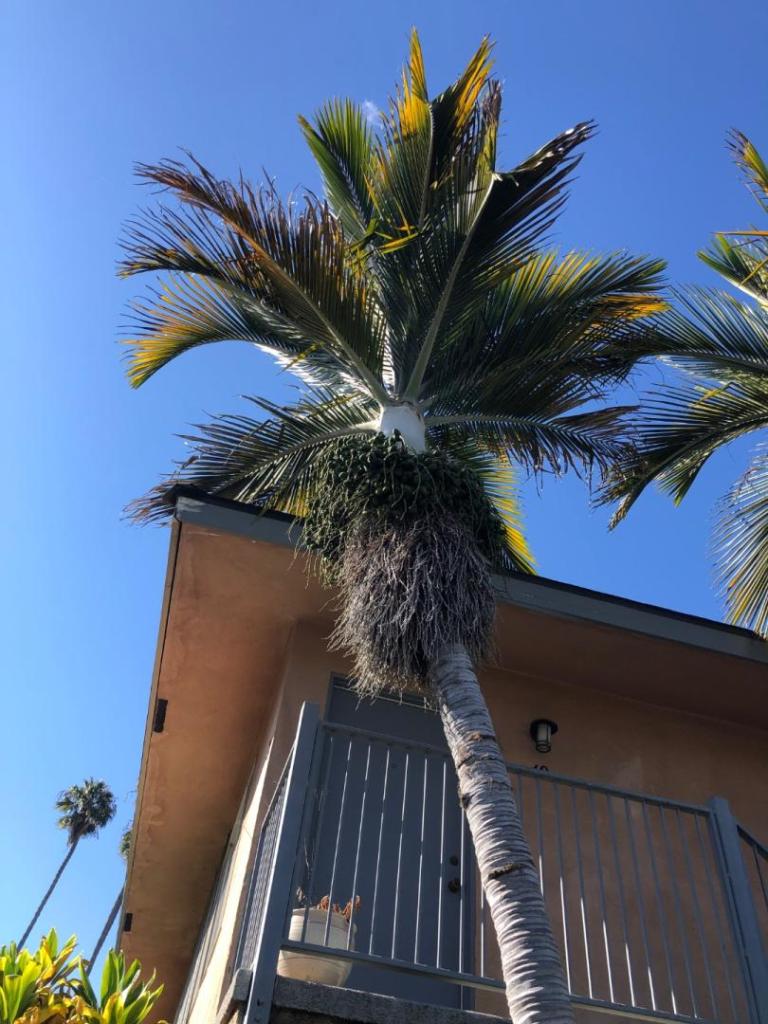
Hey fellow palmy friends. I went out this morning to gather some more C. Decipiens seeds for one of our people who requested them . While I was there I got a couple of Chambeyronia Hookeri that had fallen but most of the fruit on the parent is still green . Only a few were red. I left the garden and decided to stop at the apartment building that the family still owns to see if the Hedyscape had seeds , yes! I got a few that had fallen , nice coloring. Out front was a monster palm , multi stemmed gnarly looking thing with large round peach colored seeds . I hit the infrutescens and several fell to the ground . The other palm was a very tall , slender trunk with a light crownshaft and pinnate fronds. I don’t know what I have so I’m hoping someone may have a clue . Thanks in advance for your help! Harry this is the monster these are the seeds / fruit . The smaller ones are Hedyscape I believe , from the palm below this is another one that has me stumped This Is the fruit from that one . I managed to get 4 fruit I zoomed in to capture a better look at the crown shaft. I am going to try germinating these just for fun . I don’t have a heat mat or anything , no greenhouse . Just a mix of potting soil and perlite. Harry





 3 points
 -
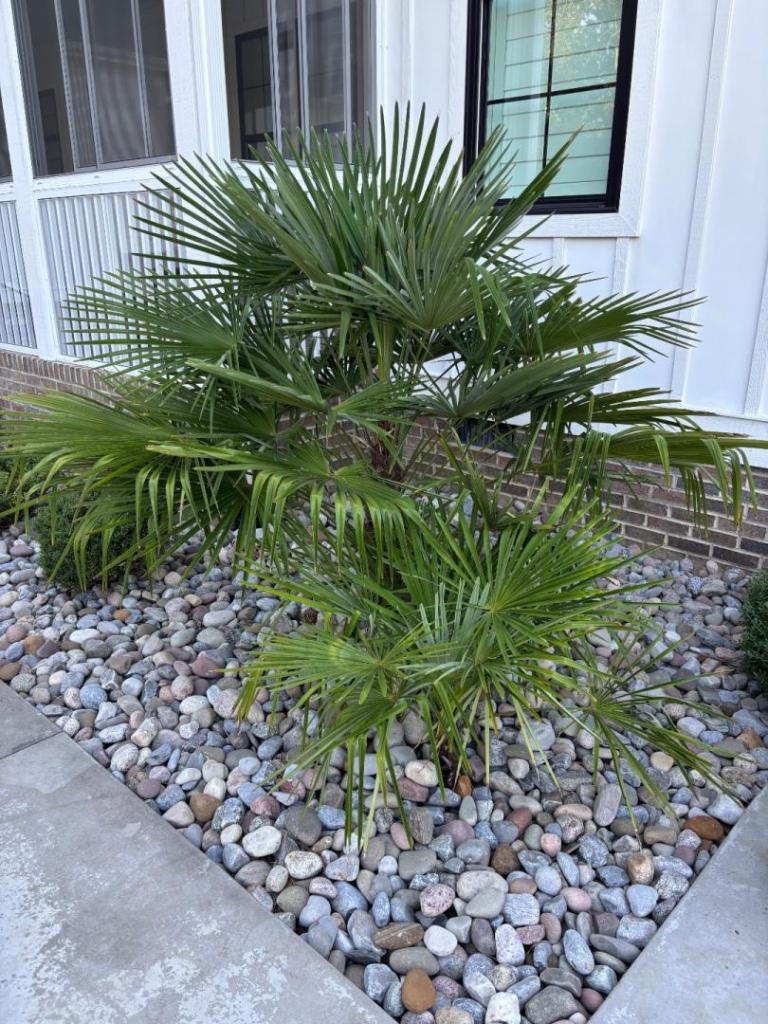
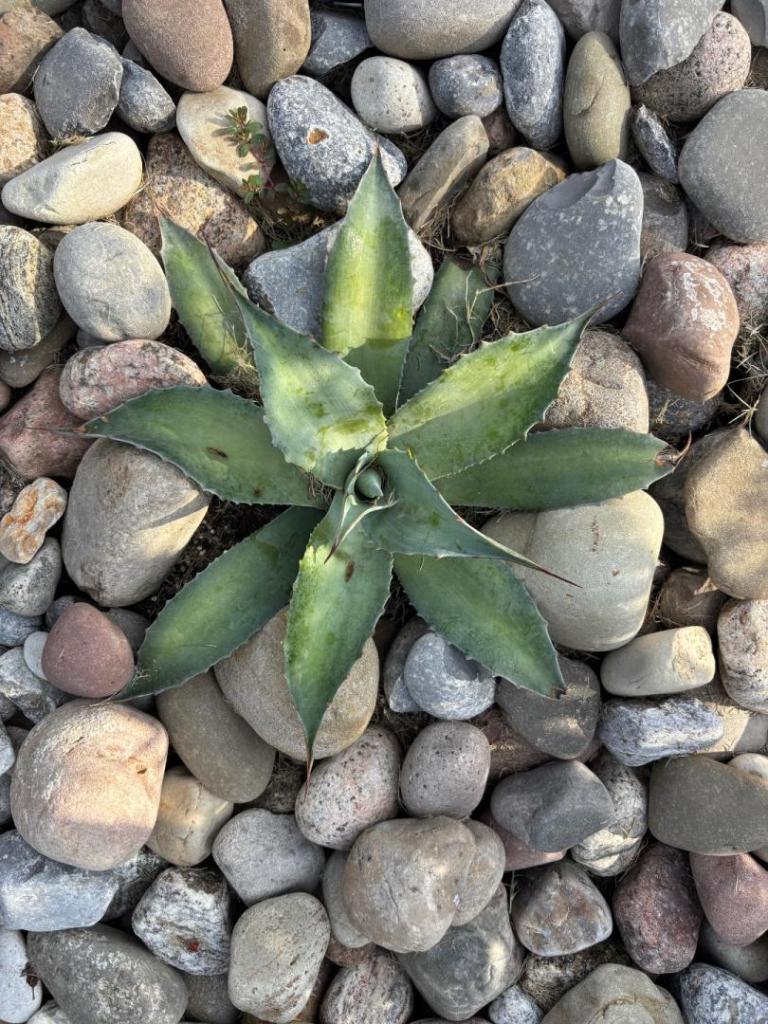
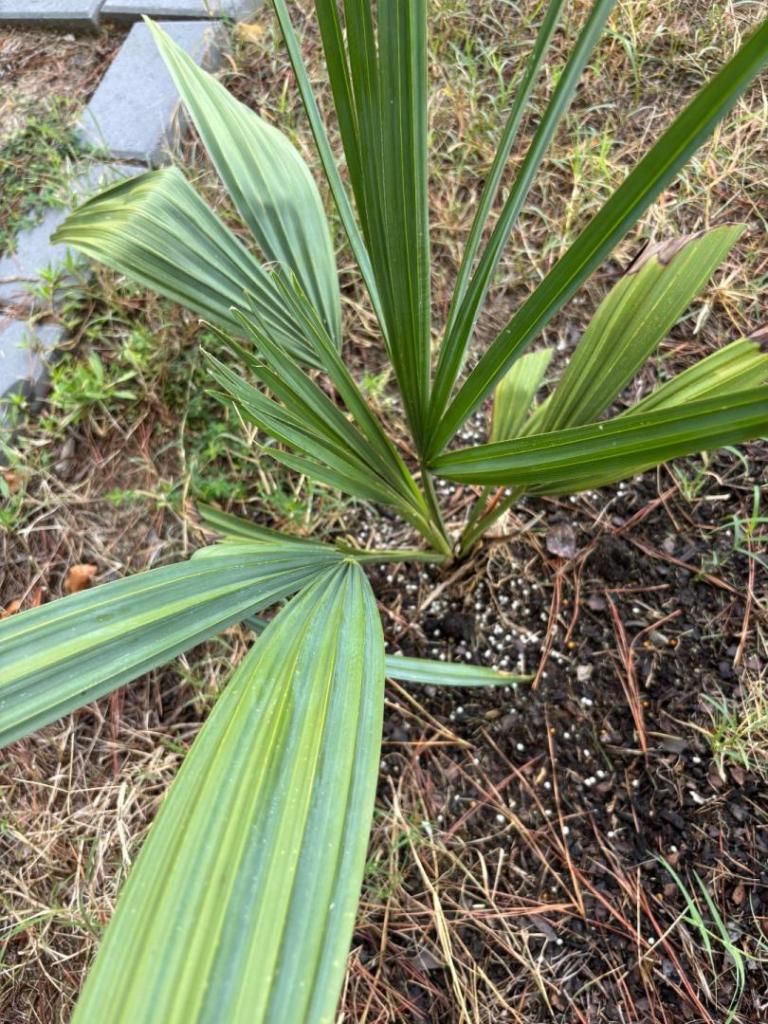
Last hour of August sun.


 3 points
 -
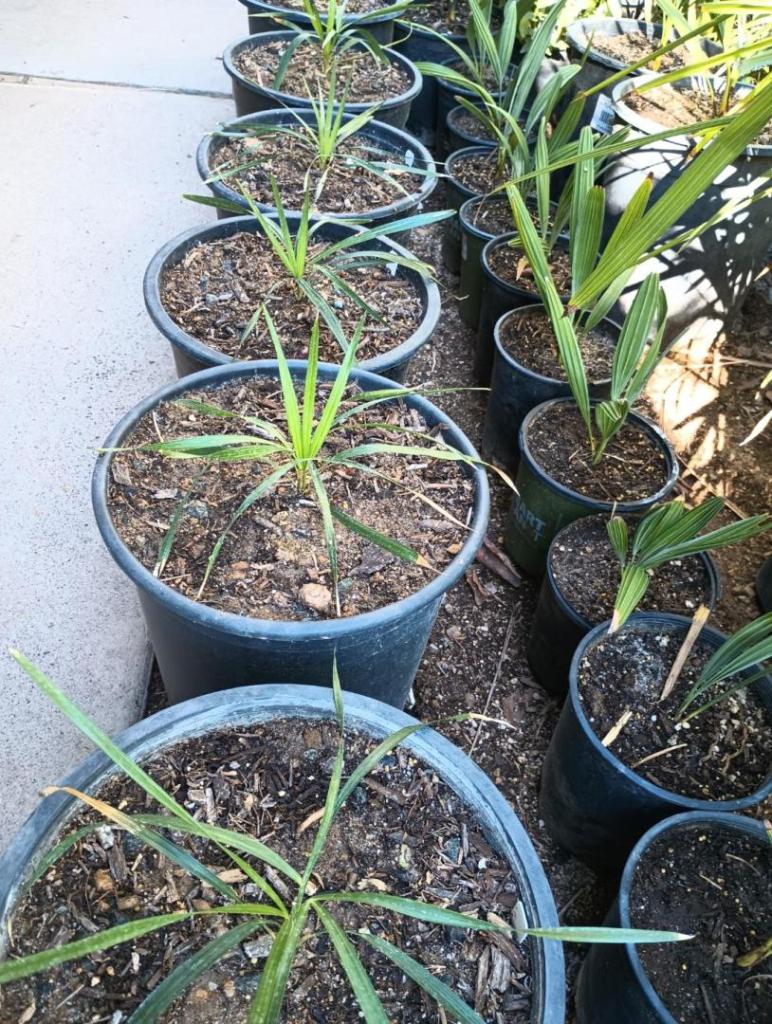
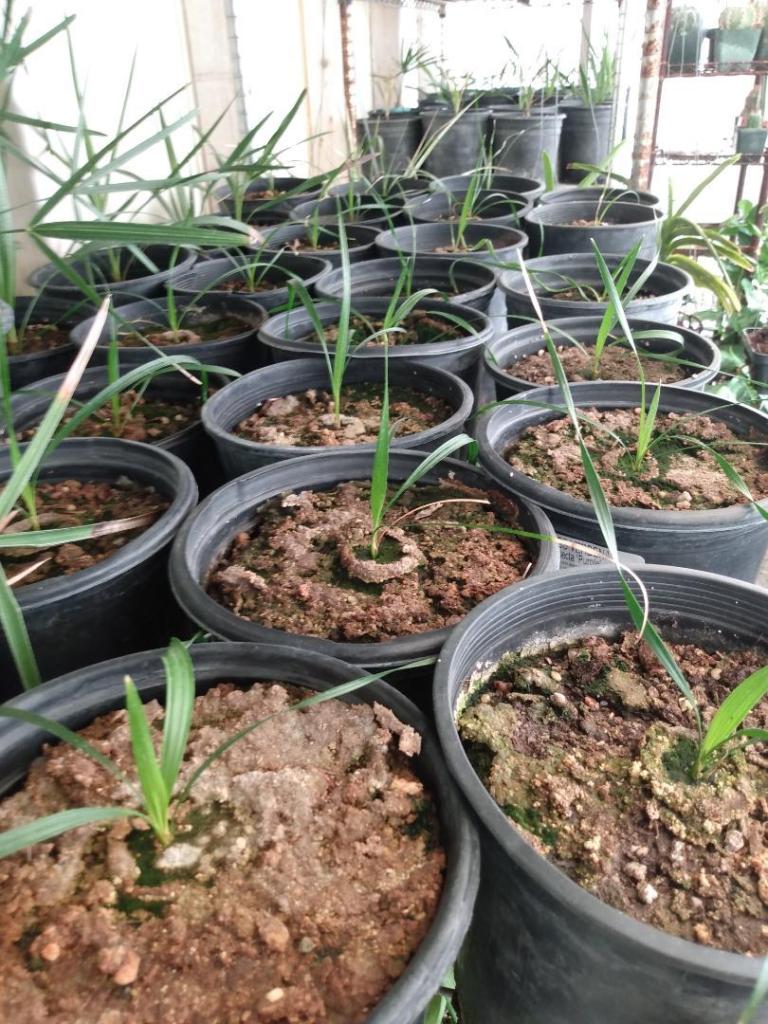
While not my rarest, Hemithrinax ekmaniana has proven itself a winner for the Arizona desert. Takes our full sun, extreme heat to 120F, and winter chills into the upper 20'sF without a scratch. One of my favorite palms due to it's compact nature, and relatively fast growth speed. (compared to most Coccothrinax species) I have already grown a few batches from seed to help preserve this rare palm from extinction. aztropic Mesa, Arizona


 3 points
 -
I like to grow papayas as annuals every once in a while to fill in spaces quickly and provide large tropical foliage. I like to sprout them from seed in July or August. I keep them in pots over the winter, then plant the following spring. I planted four of them at a former home in zone 7a Oklahoma City some years ago. I got 13 pounds of green fruit though, because I ran out of time to ripen before our first freeze was coming. They were really nice looking plants, even without getting ripe fruit. It had been several years since I had grown any, so I sprouted a few seeds last summer. I planned to keep two to fill out a bed near my pool, but one suddenly died on me in the spring. So, I was left with just one this time. It is looking good even though it went about a month without water while I was working out of the country in July: I am hoping that I can get at least a little bit of ripe fruit this time around, since my first frost here in the San Antonio Texas area will probably come a good bit later than my former home in Oklahoma. Is anyone else a fan of growing papayas like this in colder zones?
 2 points
 -
I had put some sabal mccurtain seeds into some seed cells like a month ago, checked a week ago and all of the seeds don’t move anymore, they have rooted. I saw it. And now they are sprouting! This is the first palm seed I have ever sprouted!! 🎉🥳🎉
 2 points
 -
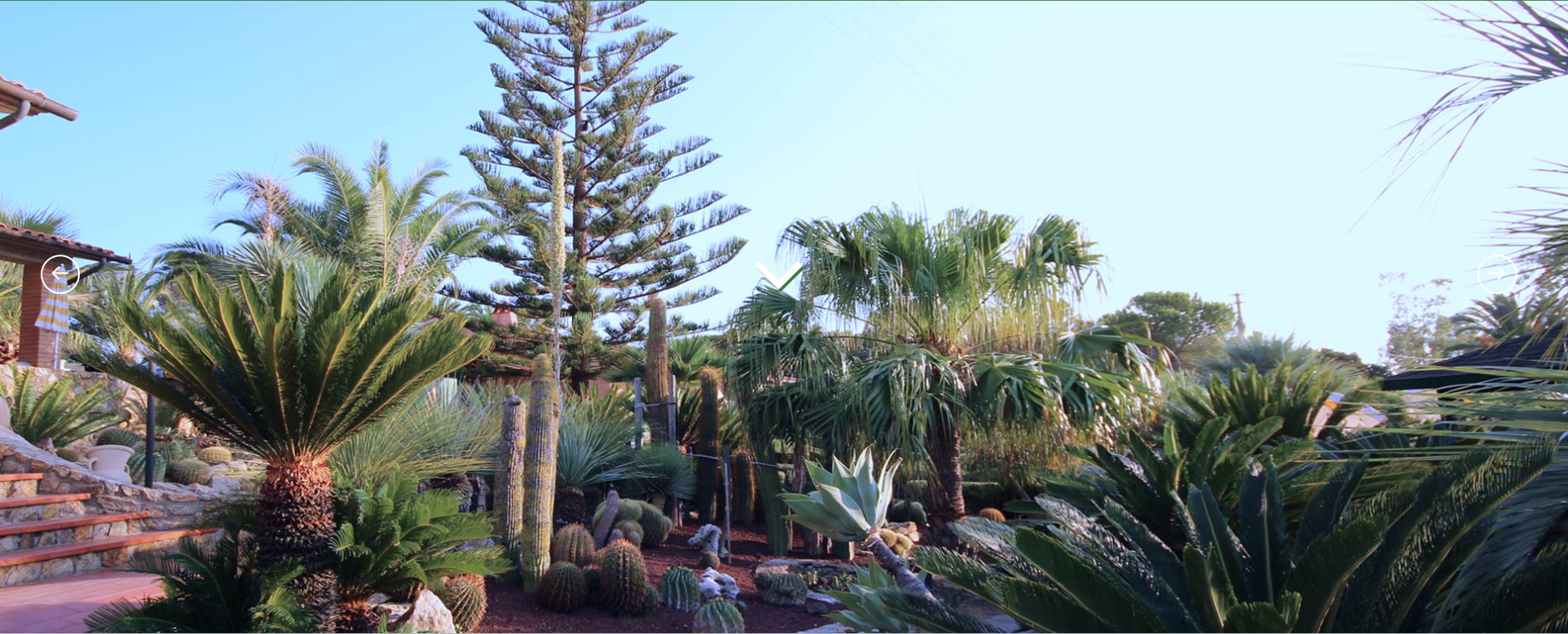
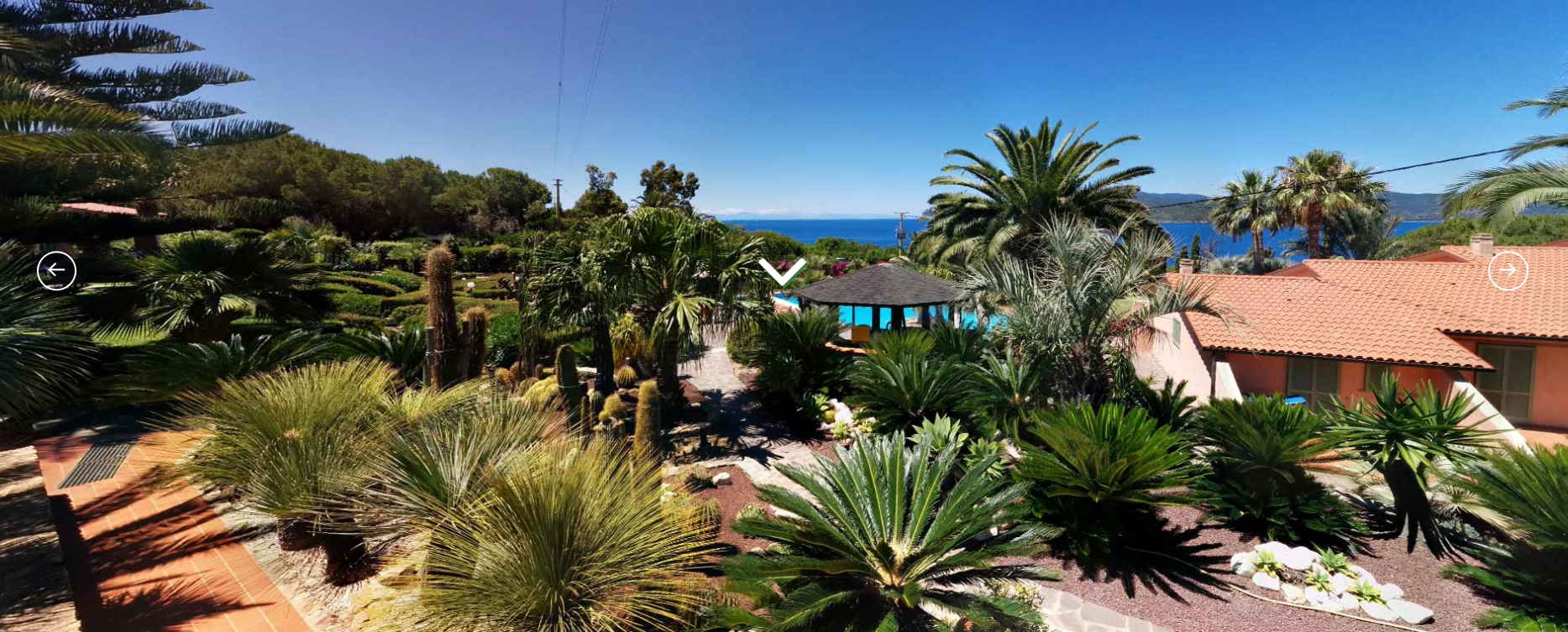
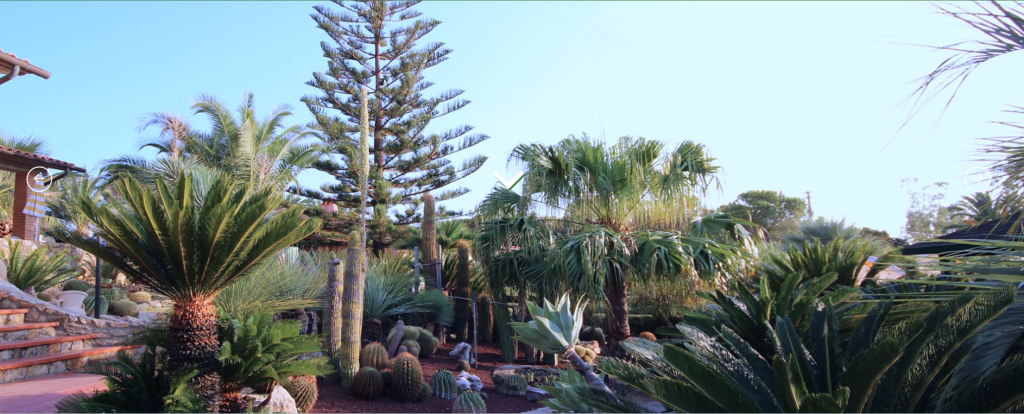
As a young boy and teenager, we went there several times. There was a lot of CIDP back then and Agave americana, as I recall. Depending on the altitude, the USDA zone will be between 8b and 9b in the mountains, tending towards USDA zone 10a in sheltered areas, as sub-zero temperatures are rare. Who among you knows the island? Who has been there often? We look forward to seeing photos... We found these photos, or rather Otto was there years ago with his partner Dani and gave us the link again: https://www.caladeipeducelli.it/de/giardino-botanico.php We don't want to advertise here, but they really enjoyed their stay of several nights. Especially the exotic plants and palm trees, the sea, the food... Some pictures (copied from link).
 2 points
 -
Thank you Hu Palmeras!2 points
-
I did protect it first winter with agil cover. It loose all leaves in Jan/Feb and then resprout from stem in April/May. I think it's still alive only thanks to position below that wall.2 points
-
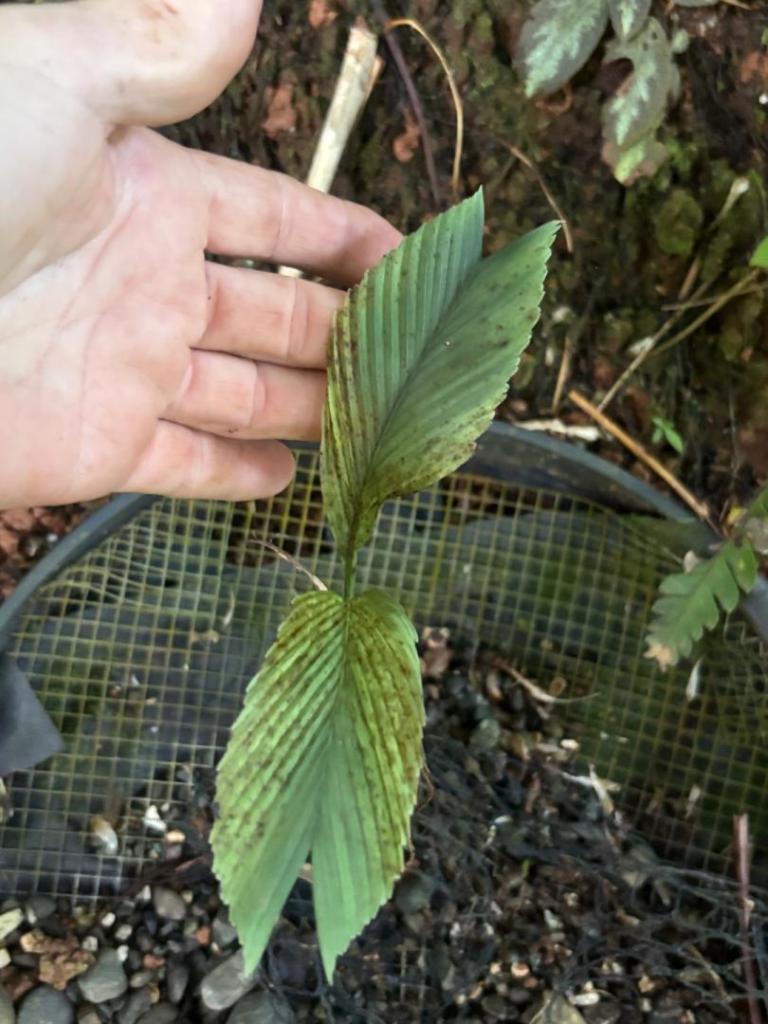
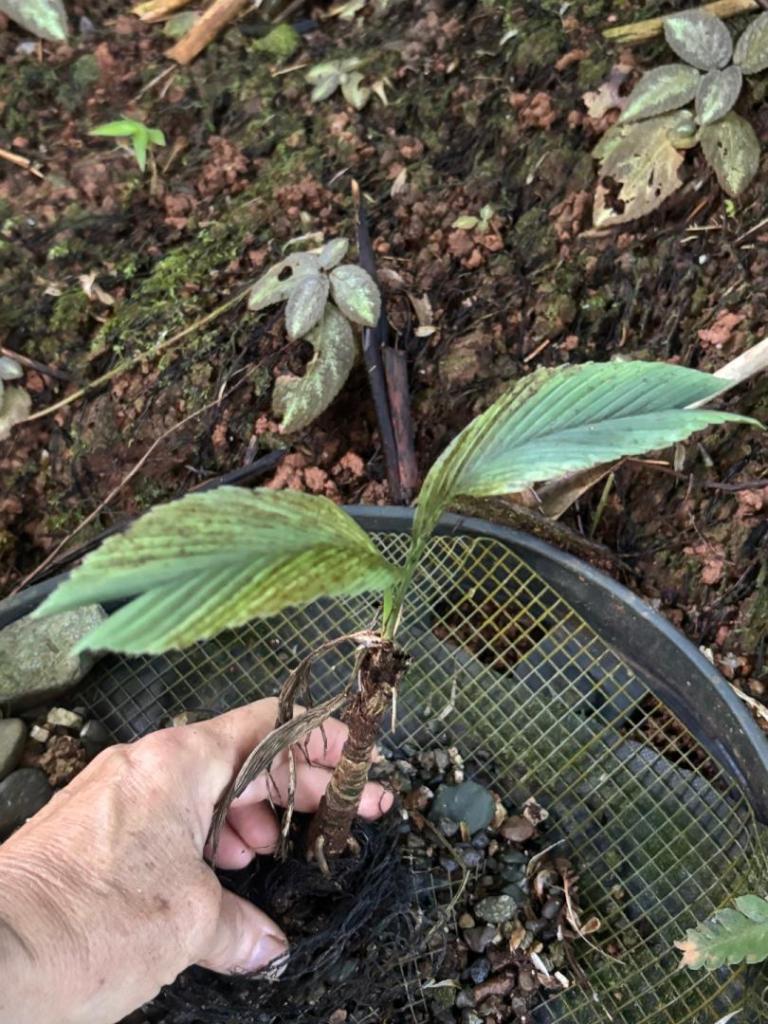
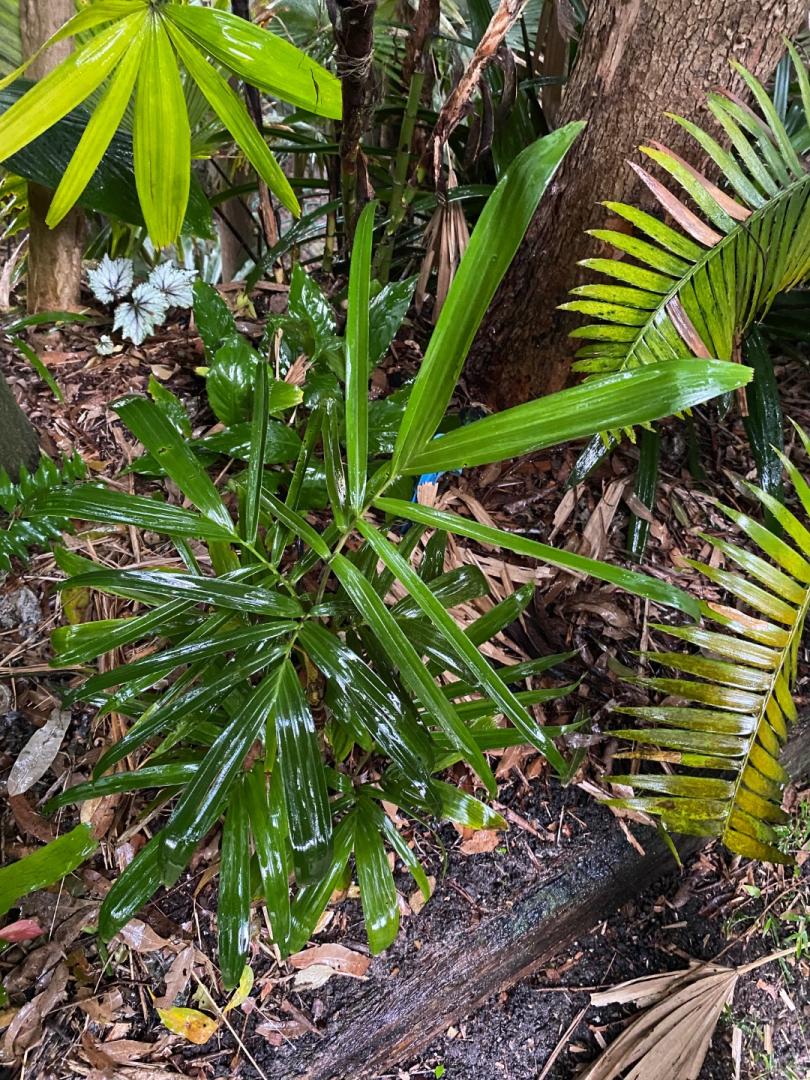
Next in my barely hanging on replies is what was sold to me as Chamaedorea sullivaniorum. I have heard C. pumila might be the correct name now. Poor thing! However if you look closely it seems there are some roots just above the ground so maybe if I pack them with moist sphagnum covered with foil it will fully air layer and then I could try digging the whole thing up and eventually revive it? What do you think? On this one I remember pruning back something that may have overgrown blocking sufficient rain for awhile maybe 6 months ago but it has never flourished in this particular spot. Any other thoughts appreciated as again by either name not easy to replace.
 2 points
 -
While i agree a " South American " origin is most likely the correct thinking, remember that ocean currents have played / continue to play a part in dispersal of pretty much anything that can float. ..Obviously includes the ability for early human related travel across the Pacific also.. Not totally out of the question travelers who reached the Americas from the S. Pacific brought coconuts w/ them ...and probably lost many to the sea during trips.. Any of those wash up on some remote island along the way and... For all we know, not out of the question coconuts have floated both ways across the Pac. since the basin has existed ..West, into Polynesia, from the Americas, when west blowing easterly trade winds are strong.. and east, from the S. Pac. during periods when the winds reverse and blow toward the Americas from that part of the world, such as during strong El Nino periods. Numerous, recent pictures of Coconuts washing up in / around the S.F. Bay Area, ..and all the way up in British Columbia on iNaturalist.. Some of the Bay Area finds look to be in pretty good shape too.2 points
-
Chrysalidocarpus baronii Black Stem...have attempted at least 3x here in South FL and they all die off. Also Chambeyronia lepidota...just can't keep them alive past seedling stage here.. Prob too humid and our high temps in summer are too high for both of them here. Fortunately, the list of palms that DON'T grow here is very short 😁 JD2 points
-
Tom Fantastic Island ,I was there when my son was about 10 years old, he's 30 now!2 points
-
Somehow I don’t think k so, it comes from a very unique environment, the Carnarvon gorge. It would require some good warmth, it may take your winter, up I do t think it would do well without the warm conditions it much loves.2 points
-
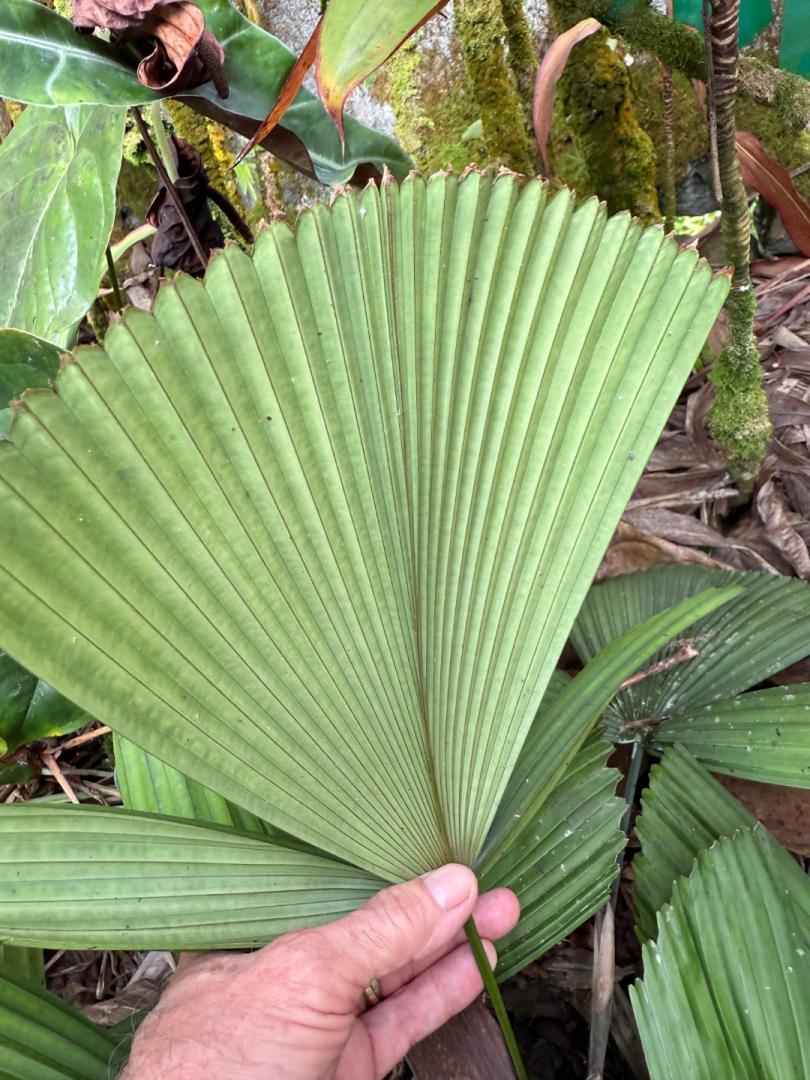
a very beautiful shade of green2 points
-
I never would have imagined such strong growth, and I certainly didn't expect it to be similar to Washingtonia robusta. Wow, Jon, you have a very beautiful specimen.2 points
-
Jonathan once you sent me the seeds (thanks again my friend) unfortunately they were still in the pots and when I was in the hospital, no one watered them, all dead, but it is important that I keep in mind that you sent me the seeds, once I sent you seeds of some species of livistona, but I remember that the Australian customs destroyed them2 points
-
That's a coconut palm.2 points
-
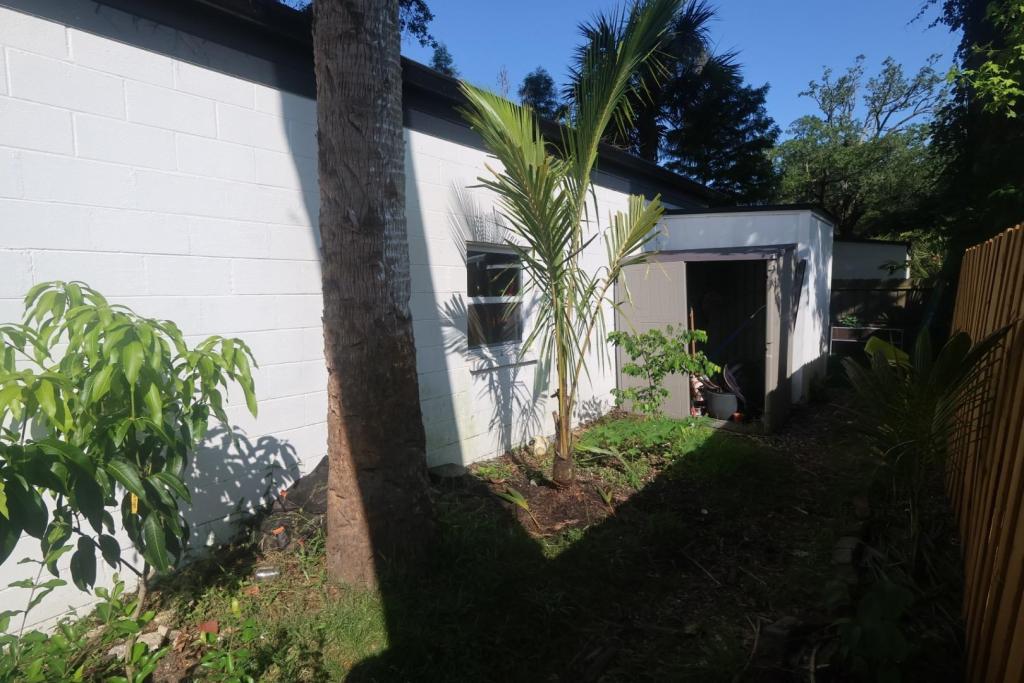
First bought it vs now. The palm has grown about 2 feet in the spear and pushed all the ferns out. Thinking about just wrapper the trunk in frost cloth to protect. It is surrounded by 4 walls, oak trees above mulch and Elavated so hopefully that should add some cold protection.

 2 points
 -
So I found a composting subreddit and shared my ideas and they're telling me that just an open air pile is the way to go. I have both a dead fridge and a dead upright 33 cu ft freezer and shared my thoughts with them and they didn't seem to understand that I want to a) keep raccoons, possums, armadillos and cats out of this and b) speed the process up into a matter of months if not weeks instead of waiting 3 years. I get that I'm not going to get 50+ cubic feet of compost on my first attempt and I'm ok with that, it's trial and error just like everything else we do here - but I also don't want to wait 3 years either. "But the idea of a box is just to hold the heat in!" Yes, that's exactly the point, and I get to free up space in the utility room and repurpose stuff that would otherwise eventually end up in a landfill, and make my own compost without having to wait 3 years, that's the point. And I think a few dozen 1" holes in the backs and another few dozen holes in the sides will give enough oxygen to let this stuff cook should be adequate. I have no issues getting stupid with a drill. While a wood chipper would make my life easier for this, I can always just burn the branches for potash. I guess I could experiment with a little Styrofoam box first and see how it goes before I go to all the effort of taking out the compressors and dragging these things across the yard and cutting down the trees where I want to put them, in front of the old lawnmower shed. Any pointers are welcome. I know nothing about composting other than a handful of YouTube videos I watched and knowing I don't want a giant wide open stink pile full of critters anywhere near my house.2 points
-
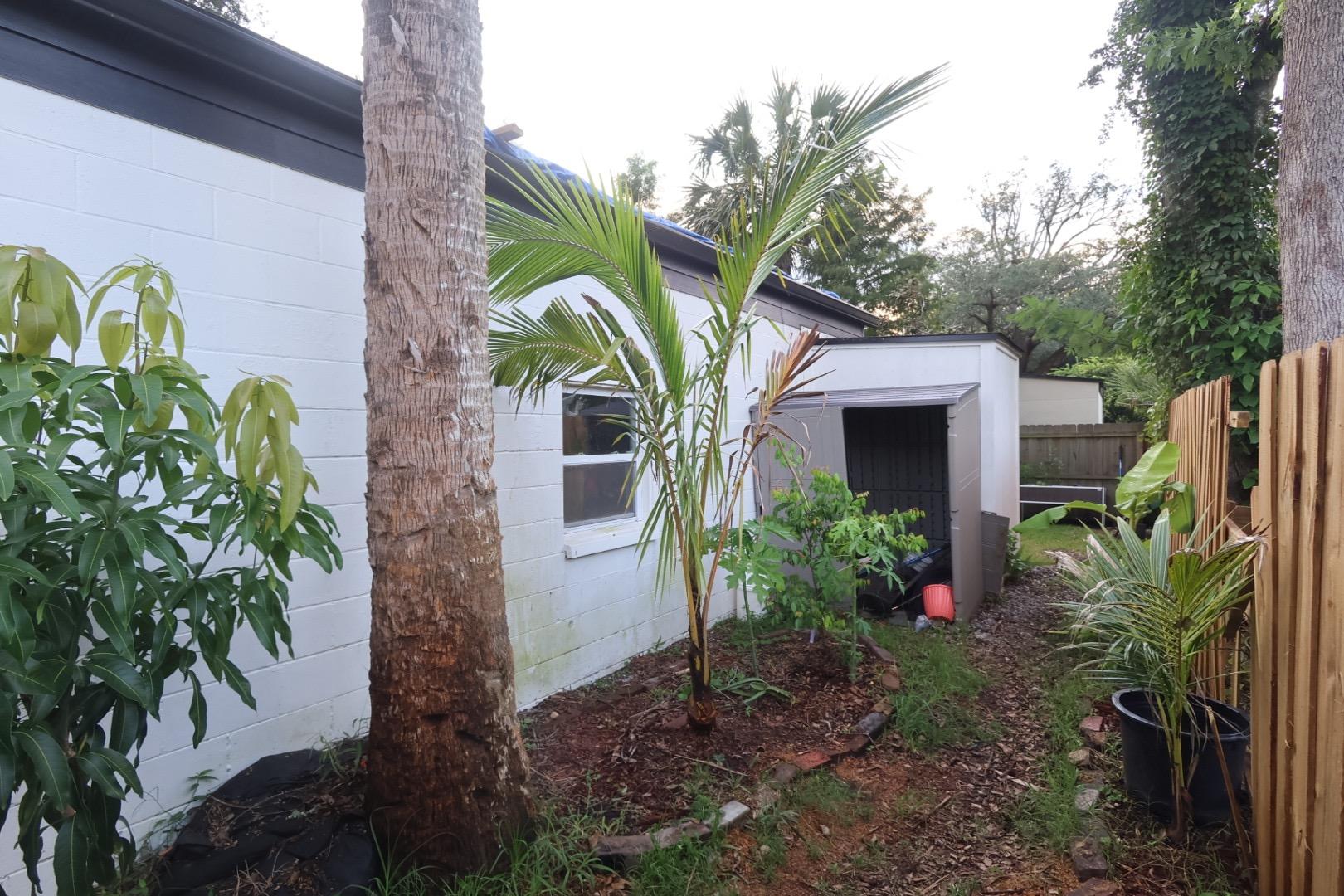
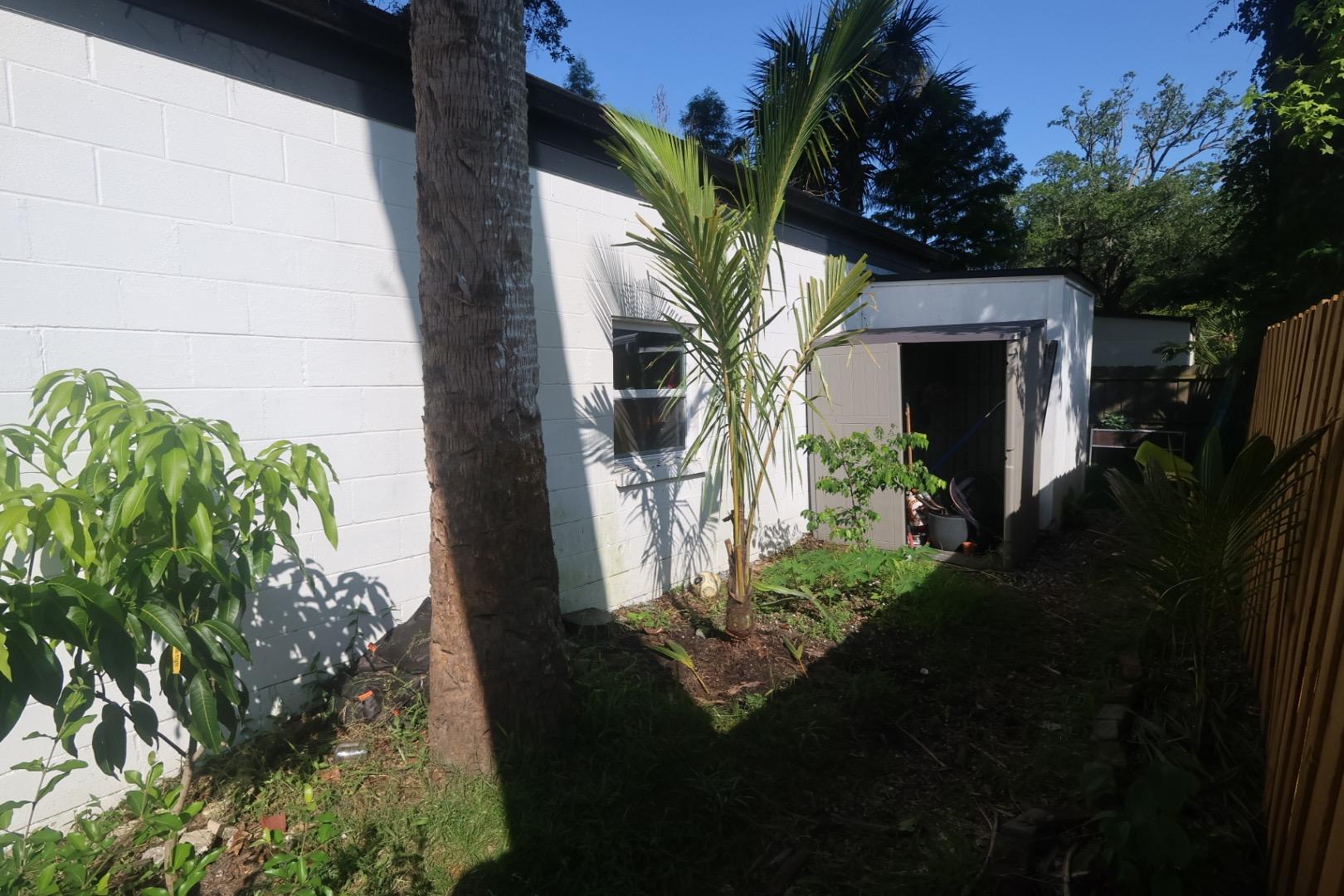
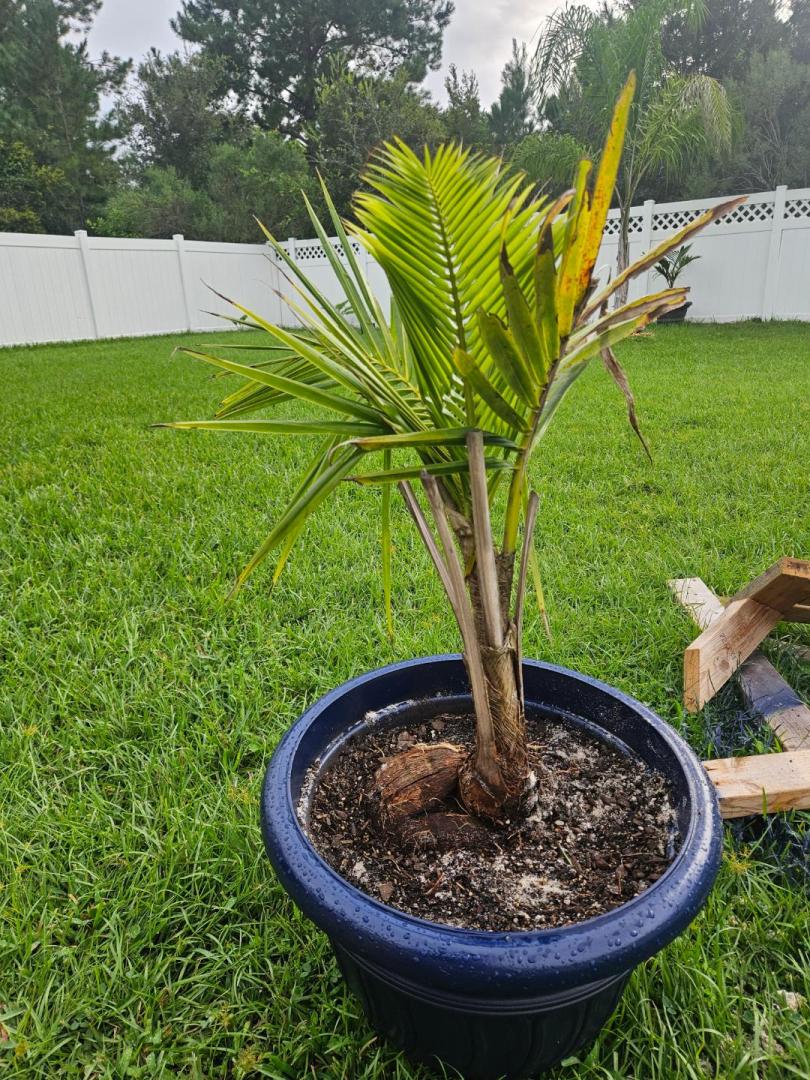
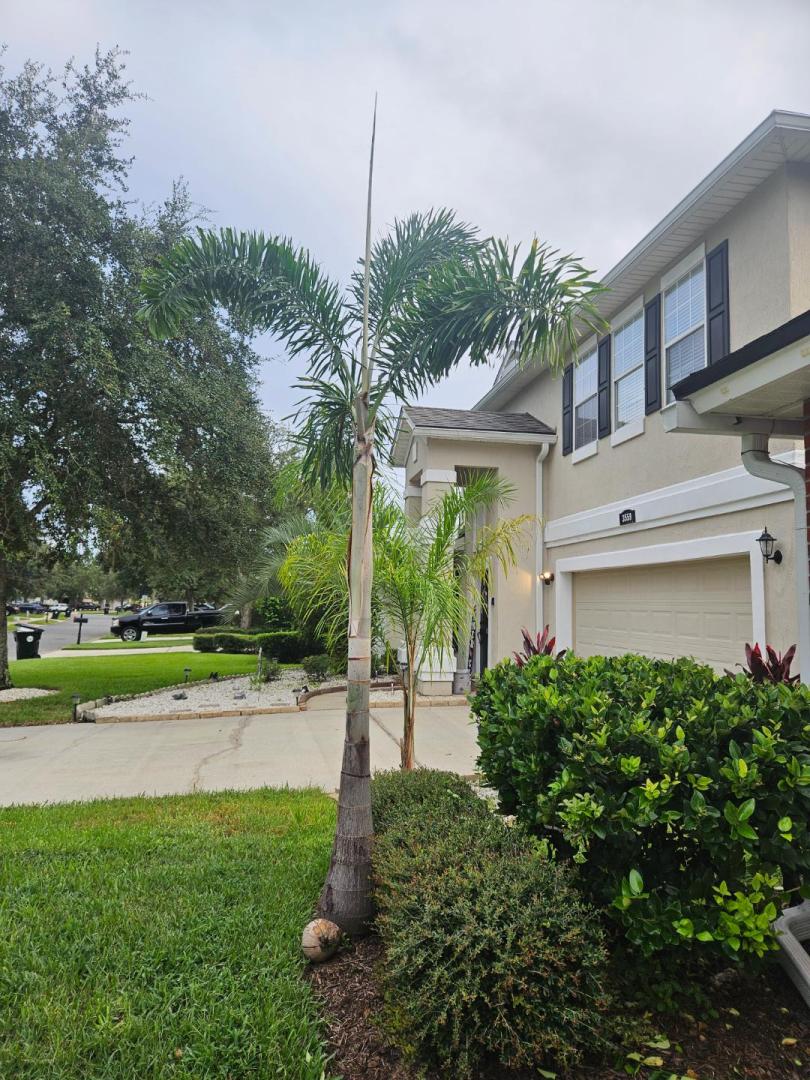
I live in Orange Park (near Jacksonville, Florida). This past winter, temperatures dropped to around 25°F, one of our worst winters. I had a royal palm, a foxtail palm, Dwarf Green Malayan coconuts, and a Tommy mango. During this past winter, my royal palm was 95% burnt, to the point that we gave up on it since our HOA was on our case about the "eyesore" (it still had green in the center and no spear pull). It was about 15 feet tall, measured from the tallest frond. The foxtail palm, about the same height but with more trunk, survived the winter and pushed new growth before our HOA complained. The attached photos show the current state of the foxtail. It had minimal protection—maybe a bedsheet around the crown shaft on the coldest days. The coconut palm stayed in the ground all winter. I had two identical coconuts: one died with spear pull, while the other survived, even though both had frost cloths poorly placed on top (the cloths touched the fronds). All these plants were in the ground during the past winter. Now, I’m keeping the surviving coconut in a pot and will store it in the garage when temperatures drop below 40°F. I’ve attached photos of all the mentioned tropicals. I’ve also added bacarriophoenix alfredii, along with Clusia, royal, king, and sugar palm seedlings to my collection. All will remain in pots for the next few years, and likely beyond. Once they start showing trunk (except for the Clusia), I may plant them in the 6-foot-wide alley between my house and my neighbor’s, which blocks the northern wind and benefits from the heat of my brick house. However, these measures won’t change the fact that once they grow taller than my house, they’ll face temperatures well below 30°F. I still enjoy the challenge and love the tropical look during the summer months. I’ll continue to care for them as much as I can and will update Palm Talk. I love seeing posts like this, knowing others want a similar landscape in this zone. Please keep us updated on your journey—thank you!


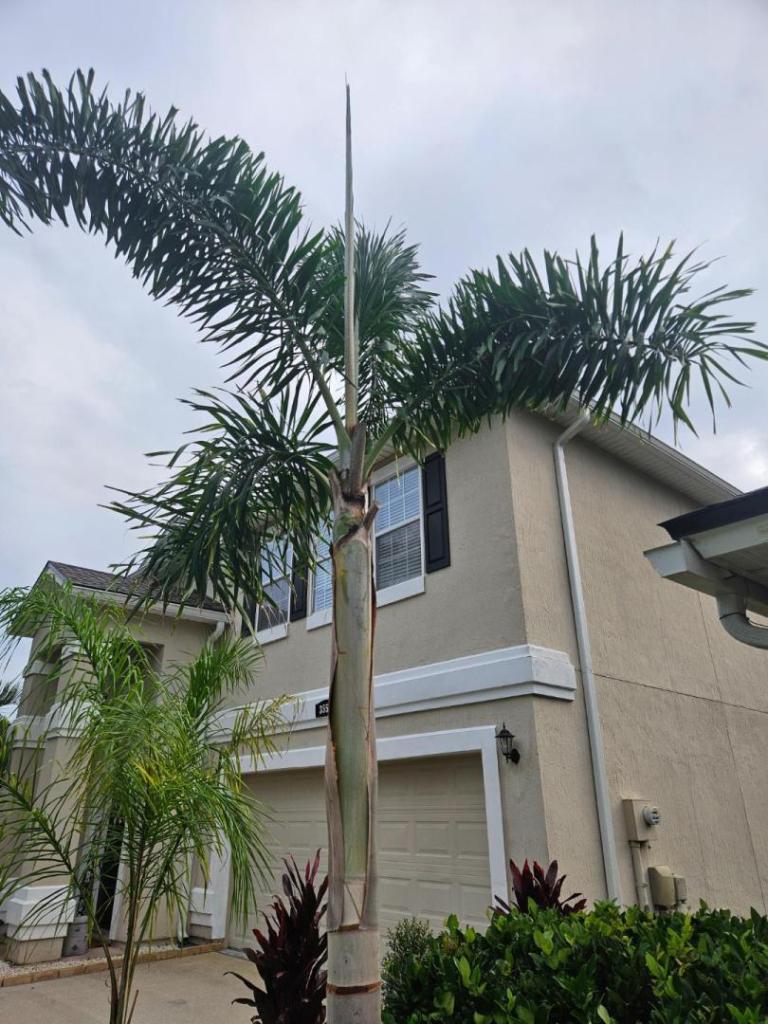
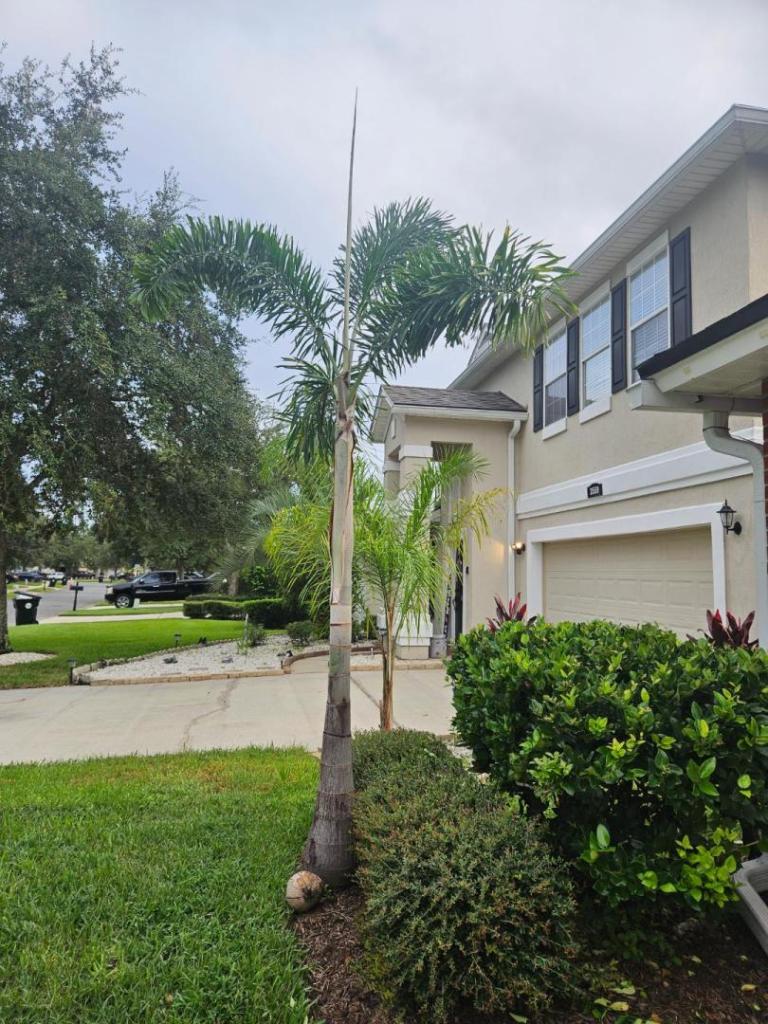 2 points
 -
Oh awwwwww you gotta have the grass for the puppers!2 points
-
Nice one Harry. Be calling you the strain hunter next! Richard2 points
-
🤣 Oh, you got me with that title!2 points
-
@Fusca Yes they do . I got a bit of history from Terry and he told me how his mom and dad had a nursery in Ventura that specialized in tropicals before there were available seeds or plants . A mutual friend and collector worked off and on for them . Unfortunately the father passed on early in life so Pauline was left and carried on with the help of folks in the Palm Society . After she passed , her grandson moved into the house , Terry still keeps the house next door but lives up north now . They also kept one of the apartment buildings by the college. That’s where the Hedyscape and other unknown palms were . It’s good to see that they still keep the palms up and are so generous with seeds . Harry2 points
-
It looks a bit like Veitchia joannis but there couldn’t be many of those that size in So Cal?2 points
-
Macrozamia macdonellii cone
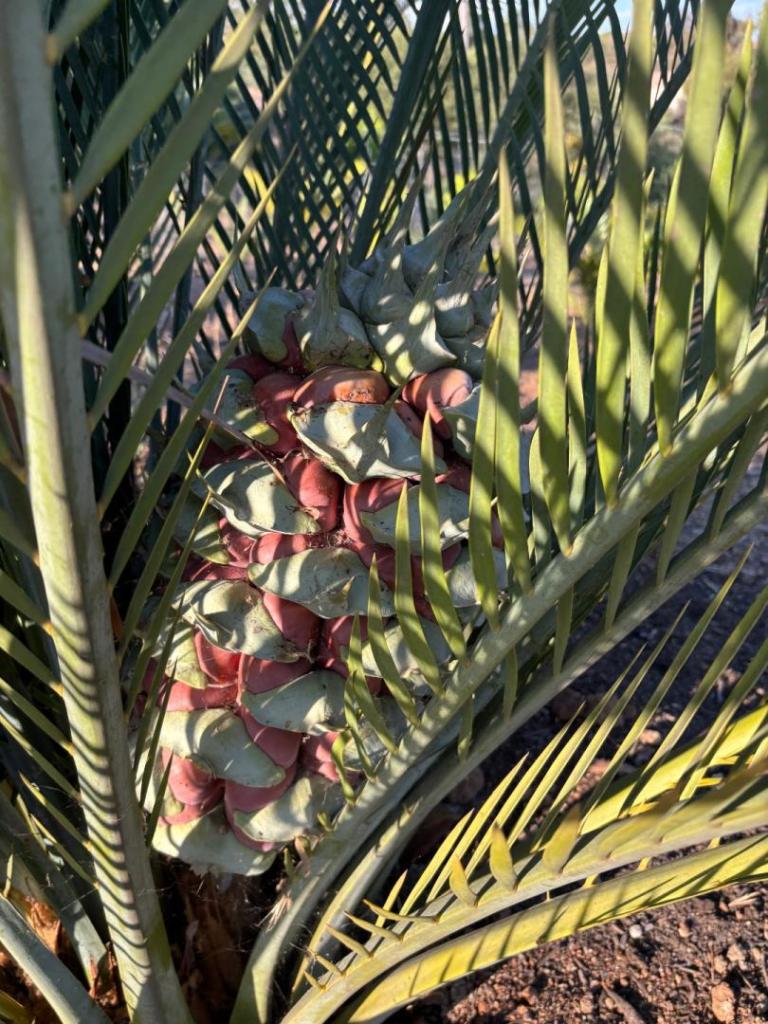 2 points
 -
Everything looks great!2 points
-
In my own case, this doubles as a teaser to the Fall garden update - Carpentaria acuminata X Veitchia arecina.
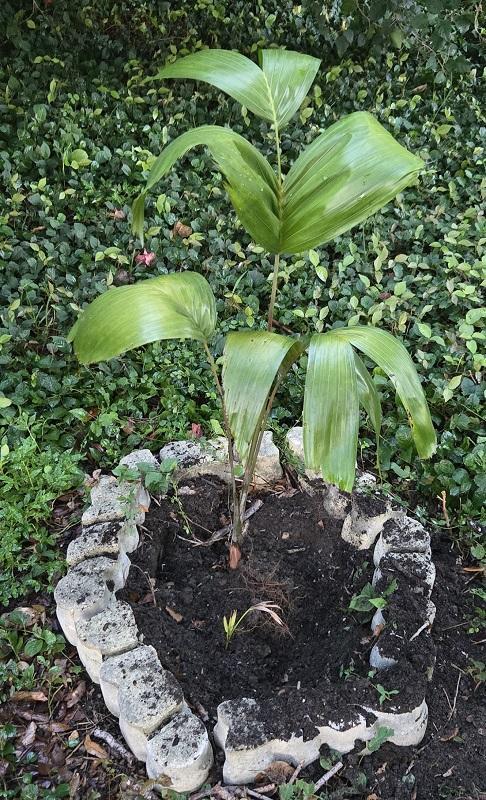 2 points
 -
Labor Day weekend update.
 2 points
 -
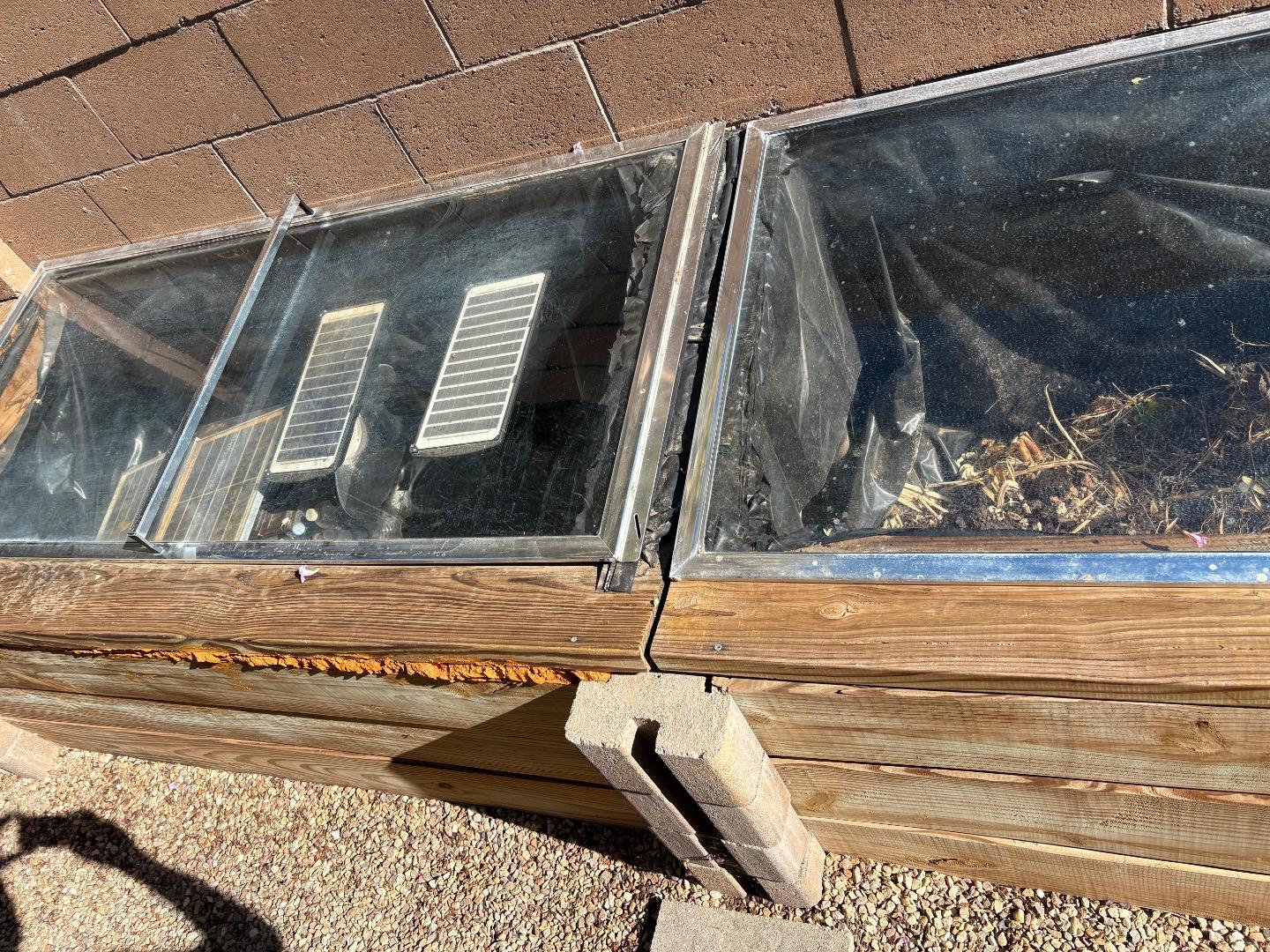
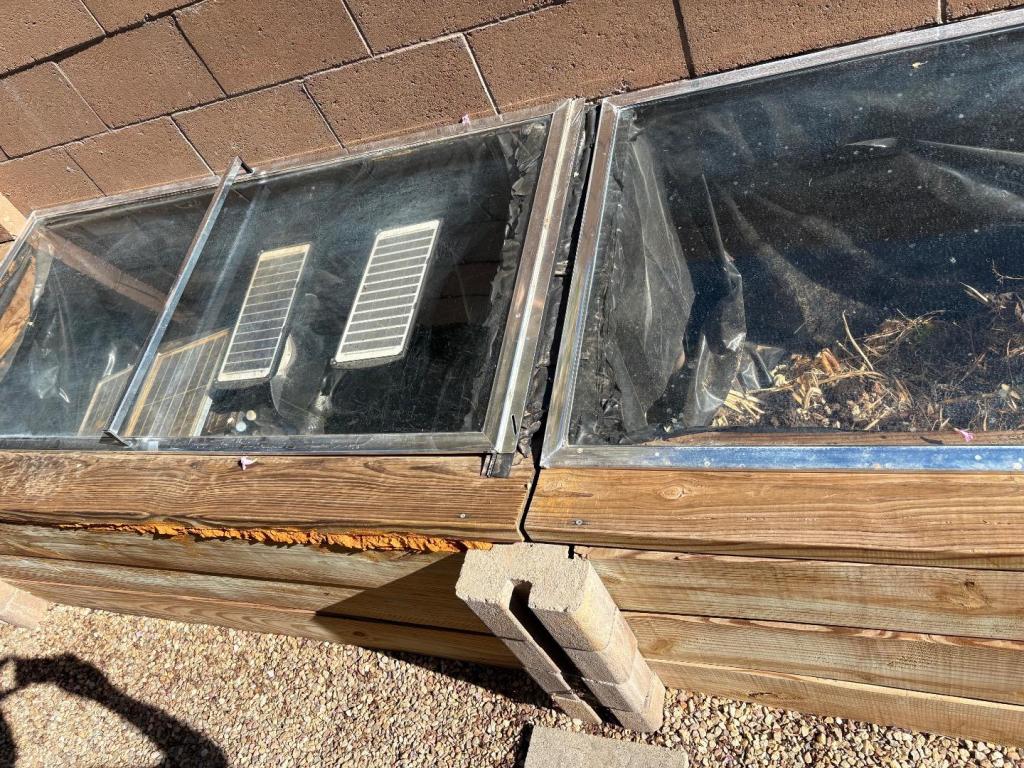
I built a small greenhouse using some old shower doors a few years ago. I ended up converting one side to my compost bin. It contains the odor and the additional heat expedites the process.

 2 points
















.jpg.fdb81e7d2b1a2118fede66140f194457.jpg)